Herbs and Supplements: Your GoodRx Guide


To maintain health and treat disease, many people use supplements and herbs in addition to their diet. In fact, over 75% of adults in the U.S. report using some kind of dietary supplement. People use herbs and supplements for many potential health benefits. And they come in many forms, from pills and powders to lozenges and liquids.
Like medications, herbs and supplements come with their own risks and side effects. But the FDA doesn’t regulate them to the same degree. They can interact with other supplements, medications, and even lab tests.
It’s important to understand the benefits and risks. So be sure to talk with your healthcare provider to see if supplements or herbs might be right for you.


Search and compare options
Herbs, or botanicals, are a common type of supplement made from plants for the purpose of health benefits. The supplements may have the entire part of a plant or just one part of a plant. The ingredients and potency (strength) of herbal products can vary.
Common herbal supplements include:
Black cohosh, for menopausal symptoms
Chamomile, for sleep and relaxation
Cranberry, for urinary tract infections
Echinacea, for respiratory infections
Elderberry, for immune function and respiratory infections
Feverfew, for migraines and menstrual cramps
Garlic, for high blood pressure or high cholesterol
Ginger, for nausea and vomiting
Ginkgo biloba, for memory
Ginseng, for energy and immune function
Hawthorn, for heart health
Saw palmetto, for prostate health
St. John’s wort, for depression
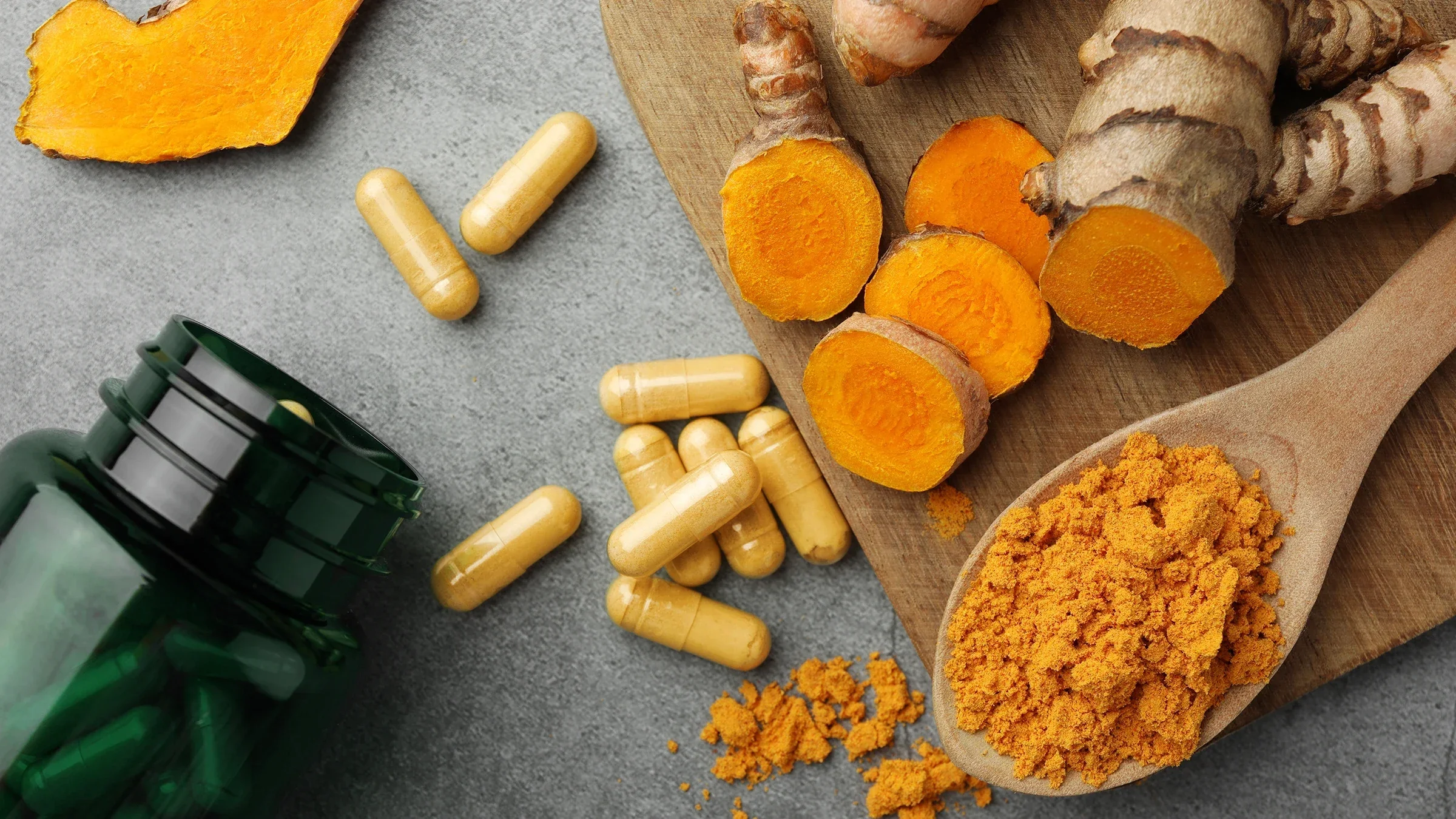
Turmeric, for inflammation and immune function
Valerian, for sleep and anxiety
People use dietary supplements to get nutrients in addition to what they get from food. Beyond the herbs discussed above, other supplements may include vitamins, minerals, amino acids, and probiotics.
Common dietary supplements include:
Calcium, for bone health
Coenzyme Q10, for heart health
Fiber, for a healthy weight and gut health
Vitamin D, for bone and immune health
Magnesium, for bone health or headaches
Melatonin, for sleep
Multivitamin, for increased nutrient intake
Omega-3 fatty acids, for heart and brain health
Probiotics, for gastrointestinal health
The dosing of herbs and supplements vary based on the type of supplement or herb and on the form it comes in. They may come in capsules, pills, teas, lozenges, or syrups. Different products may contain varying strengths of the active ingredient.
All supplements will have the name, list of ingredients, and serving size on the label. It’s important to look for the active ingredient(s) and follow the recommended dosage.
You can ask your healthcare provider or pharmacist to help you understand ingredients and recommended dosage. You can also search the National Institutes of Health’s Dietary Supplement Label Database to learn more.
People take herbs and supplements for different benefits, including to:
Maintain health or treat a health condition: like taking calcium and vitamin D for osteoporosis
Get nutrients they may not get from food: like taking a multivitamin or omega-3 fatty acids
Treat symptoms: like taking valerian to help with sleep
Some people may turn to herbs and supplements when they do not feel satisfied with conventional medical treatments. A common misperception is that dietary and herbal supplements are safe or safer than conventional medications. But it’s important to know they also can have potential risks and side effects (more on this below).
There is some evidence that certain herbs and supplements can help specific conditions. But there are still remaining questions and ongoing research efforts. You can ask your healthcare provider or pharmacist about the available evidence for different supplements. This is especially true if you are taking supplements to address an insufficiency.
You can also search for information on supplements on your own. The National Center for Complementary and Integrative Health supports a lot of research into supplements, herbs, and other complementary and integrative therapies. You can look at what research is current and ongoing in this area.
Here are some additional resources to learn more about specific supplements and herbs:
Herbs and supplements may be labeled as “natural,” but this does not guarantee that they are safe. The FDA does not approve them — or their labels — for efficacy or safety. The FDA does ask manufacturers to follow Good Manufacturing Practices (GMPs) for dietary supplements.
But because supplements are not regulated the same way as medications, there is no guarantee that they are safe. There is the risk that they:
Do not contain what they say they do
Contain contaminants (such as heavy metals or microbes)
Have misleading claims on the label
And just like medications, herbs and supplements may also have side effects. They can cause nausea, vomiting, headaches, and allergic reactions. Some herbs and supplements can interact with other medications or over-the-counter products. This can lead to dangerous and even life-threatening complications.
Certain populations are more at risk of dangerous side effects like bleeding or medication interactions. These populations include:
Children
People over age 65
Anyone pregnant or breastfeeding
People with upcoming surgery or recovering from a recent surgery
There’s not one recommended brand of herbs or dietary supplements. It’s a good idea to look for a brand that is tested by an independent organization and has a seal of approval. There are several organizations that do this quality testing: US Pharmacopeia, ConsumerLab.com, and NSF International.
Due to ethical concerns, it’s generally not recommended to get supplements through your healthcare provider’s office.
There’s not one recommended brand of herbs or dietary supplements. It’s a good idea to look for a brand that is tested by an independent organization and has a seal of approval. There are several organizations that do this quality testing: US Pharmacopeia, ConsumerLab.com, and NSF International.
Due to ethical concerns, it’s generally not recommended to get supplements through your healthcare provider’s office.
Herbs are generally taken for a specific reason, and the decision to take them daily or when needed depends on what it is and what you are taking it for. Some herbs may be taken daily, such as chamomile for sleep and relaxation. This is considered safe when taken at the recommended dosage.
Other herbs, such as St. John’s wort, have risks with daily and long-term use. Talk with your healthcare provider about what is safe and right for you.
Herbs and vitamins are both a form of supplement. Vitamins are important nutrients in foods such as vegetables and fruits. Herbs come from plants and are taken for health benefits.
Yes. Most herbs are safe when taken in the recommended doses. But it’s important to know that they can have toxicities and cause damage. For example, St. John’s wort and ginkgo can increase bleeding risk. Kava or black cohosh can cause liver damage. Talk with a healthcare professional about herbal supplements you may be considering.
Asher, G. N., et al. (2017). Common herbal dietary supplement-drug interactions. American Family Physician.
Cochrane Complementary Medicine. (n.d.). Cochrane reviews related to complementary medicine.

Prescription savings
Stop paying too much for your prescriptions. Compare prices, get pharmacy coupons, and save up to 80%. Find expert answers to your health questions so you can make the best decisions for yourself and your family.
Health conditions
Medications & treatment
Access & affordability
 Our monthly healthcare membership can help you save thousands on your prescription costs.
Resources