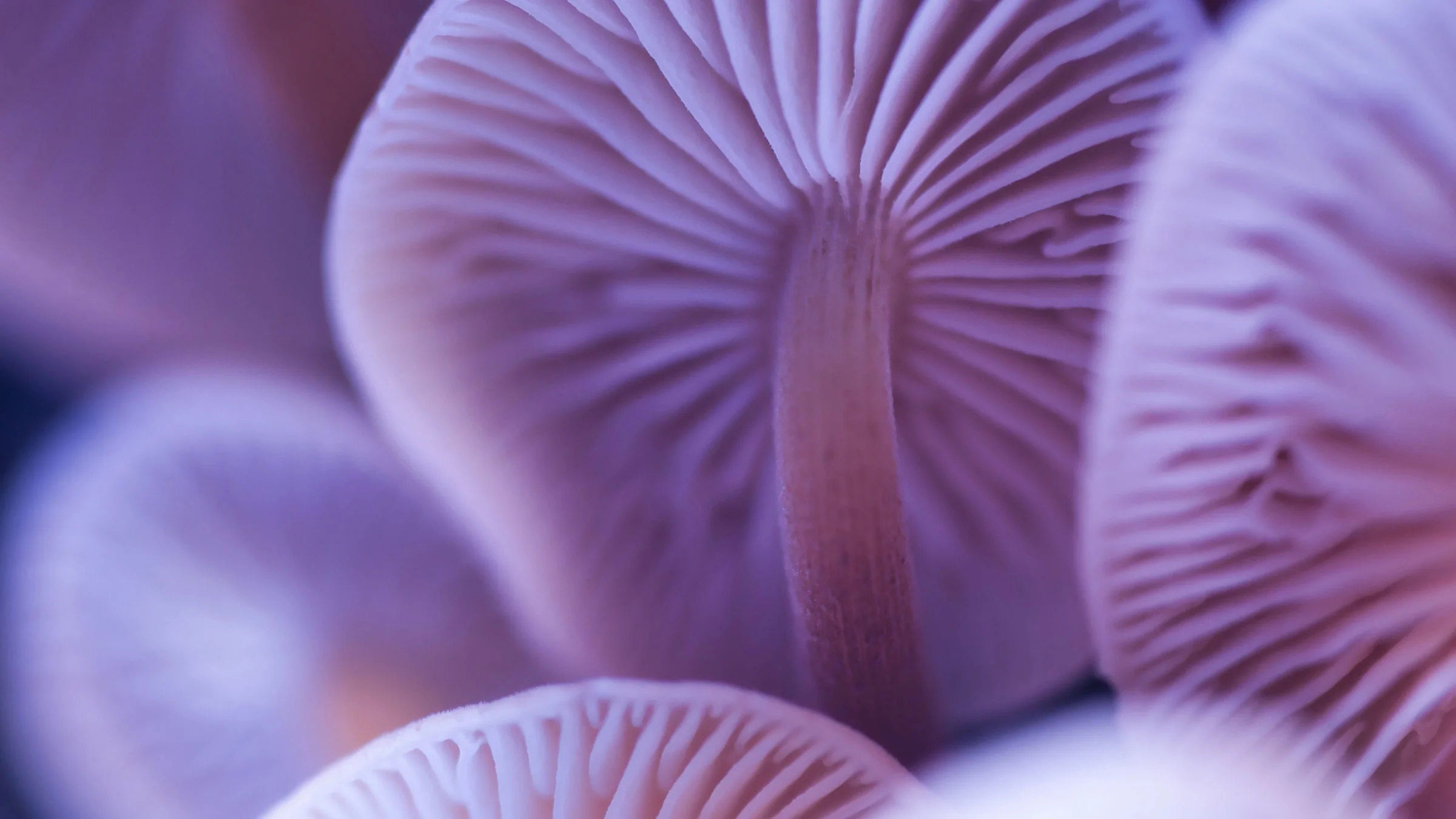
Key takeaways:
Traditional Chinese medicine has long used functional mushrooms to treat various health concerns. In recent years, functional mushrooms have become popular in many commercial products, like teas and powders.
Growing research shows functional mushrooms may help improve health in many ways. But studies in humans are limited.
There are six common types of functional mushrooms, including reishi, chaga, and shiitake. Each has unique properties and possible benefits.
Mushrooms pop up on lawns, within sidewalk cracks, and alongside buildings. And in recent years, they’ve been popping up on social media feeds, store shelves, and cafe menus — along with a growing list of reasons to buy them. So, are the health claims of these funky fungi legit?
Functional or medicinal mushrooms have been a staple in traditional Chinese medicine for thousands of years. And now, global demand for products containing specific health-promoting mushroom types is surging. The functional mushrooms industry is expected to reach almost $45 billion by 2028.
But what exactly are functional mushrooms? And what are their benefits and risks?
Search and compare options
What are functional mushrooms?
Functional mushrooms are mushrooms that can improve your overall health. Some people may call these “medicinal mushrooms.”
Not all mushrooms are considered functional, though. Of the thousands of mushroom species worldwide, only about 200 of them are thought to have health benefits.
You can find functional mushrooms in many forms, including powders, teas, and supplements. You can even find them in everyday products, like coffee and baked goods. But the FDA doesn’t pre-approve food products or supplements before they hit the market, and functional mushroom products are no different. So what the label says and what’s actually inside might not be the same.
One mushroom type that isn’t considered a functional mushroom is psilocybin, known as “magic mushrooms.” In controlled research settings, psilocybin is being studied as a possible treatment for anxiety and depression. But as of now, psilocybin is federally illegal. It has serious risks and can lead to psychotic-like episodes, misuse, and poisoning.
Good to know: Functional mushrooms are also sometimes called adaptogens. These are substances that help the body adjust to external stressors like sickness or fatigue. While functional mushrooms are a type of adaptogen, not all adaptogens are mushrooms. For example, some herbs and roots are also adaptogens.
Types of functional mushrooms
There are six types of functional mushrooms sold globally. We’ll discuss each of these below.

Read more like this
Explore these related articles, suggested for readers like you.



Keep in mind: Because functional mushrooms haven’t been well studied in humans, the best dosage form and dosing schedule for each type of mushroom isn’t known.
1. Reishi (ganoderma lucidum)

Reishi has a long history of medicinal use in Asian countries. It’s referred to as lingzhi in the Chinese language and mannentake in the Japanese language.
Reported benefits: Reishi is a versatile mushroom that’s been studied for multiple purposes. It may boost your immune system, lower blood sugar in people with diabetes, and prevent infection.
What the research says:
A review of five randomized controlled clinical trials (the best type of study to look for cause and effect) found that reishi supplements may improve quality of life and immune system function in people with cancer. Though the effects likely aren’t strong enough to make reishi a first-choice treatment for cancers, it could be an add-on to traditional cancer treatments.
Reishi has helped lower blood sugar levels in animal studies. But human studies have mixed results.
Reishi extracts may help fight certain infections. For example, a small human study found that reishi helped treat chronic hepatitis B.
2. Lion’s mane (hericium erinaceus)

This shaggy, white mushroom may be in the produce section of your supermarket. It’s been used for centuries in Chinese medicine and is known as houtou in the Chinese language and yamabushitake in the Japanese language.
Reported benefits: Lion’s mane has been mainly studied for brain and nerve health and gastrointestinal (GI) conditions.
What the research says:
Lion’s mane may increase the production of certain proteins that improve brain function. For example, a 2020 human study found lion’s mane supplements helped with cognitive performance in people with mild Alzheimer’s disease (AD). But this study only included 41 people and lasted less than a year. And it didn’t compare lion’s mane to the standard-of-care medications for AD.
In animal studies, proteins extracted from lion’s mane have been shown to minimize inflammation in GI disease and have a positive effect on gut bacteria. And in one small human study of 13 adults, taking lion’s mane daily for one week led to increases in “good bacteria” and decreases in “bad bacteria” in the gut.
3. Turkey tail (trametes versicolor)

Turkey tail is referred to as yun zhi in Chinese medicine and kawaratake in Japanese medicine. Polysaccharide-K (PSK), a component of turkey tail, is often used by itself. PSK is an approved mushroom product for cancer treatment in Japan.
Reported benefits: Turkey tail has been most extensively studied as an add-on treatment for various cancers. It’s also thought to improve immune system function.
What the research says: Multiple human studies have shown that PSK has anti-cancer properties. It’s been studied in stomach, lung, and breast cancer, just to name a few. In most studies, turkey tail was used alongside traditional cancer treatments, like chemotherapy.
4. Cordyceps (cordyceps sinensis or militaris)

Cordyceps is hard to find in nature. But companies have found ways to grow cordyceps artificially to create commercially available products. It’s known as dong chong xia cao in China.
Reported benefits: It may improve health in many ways, like boosting energy, sex drive, and kidney function. It’s also been studied as a cancer treatment.
What the research says:
Studies of cordyceps have shown that it may kill or prevent the growth of cancer cells in a test tube. But we need more human studies on this.
One study of 28 young adults found a noticeable increase in the ability to exercise after taking cordyceps daily for 3 weeks.
When combined with first-choice medications, cordyceps may help improve kidney function in people with kidney disease.
Research in rats and mice found that cordyceps may increase testosterone, suggesting it may help improve sex drive. But this hasn’t been confirmed in humans.
5. Chaga (inonotus obliquus)

These mushrooms are edible, but very bitter. They’re often boiled and consumed as tea. They’re known as bai hua rong in China and kabanoanatake in Japan.
Reported benefits: Chaga may have anti-cancer properties. It’s also been studied for fighting infections and GI problems.
What the research says: Human studies of chaga use are limited. Test tube and animal studies have shown chaga can help your immune system fight off a variety of diseases, including cancers and GI disorders. But we need more human studies to see if this is true.
6. Shiitake (lentinula edodes)

Shiitake is the second-most popular cooking mushroom worldwide after white mushrooms. It contains a lot of vitamins and minerals, making it a nutritionally rich food. It’s referred to as xiāng gū in Chinese.
Reported benefits: Shiitake mushrooms may boost your immune system, lower cholesterol, and help treat cancer and infections.
What the research says:
One study looked at about 50 young adults eating whole, dried shiitake mushrooms. After 4 weeks, blood levels of various proteins and substances indicated improved immune function.
Animal studies have found that shiitake mushrooms can lower cholesterol.
Two small clinical studies in women with breast cancer found that shiitake may improve immune function and quality of life when taken along with chemotherapy.
Do functional mushrooms have side effects?
Below are some reported side effects of functional mushrooms. We don’t know whether side effects found in one mushroom type can be found in another. But it may be possible, so they’re listed here together.
Possible side effects include:
Dizziness
Dry mouth
Stomach upset
Diarrhea
Low blood glucose
Low blood pressure
Skin problems
Serious (but rare) side effects include:
There are very few studies of functional mushrooms in humans. So while they seem well tolerated for the most part, there may be some side effects that aren’t yet known.
Who should avoid functional mushrooms?
Since functional mushrooms haven’t been well studied in humans, we don’t know whether certain groups of people should avoid them.
However, you may be more susceptible to side effects based on your age and medical history. Talk with your healthcare provider before consuming functional mushroom products if you:
Are younger than 18 or older than 65 years old
Are pregnant or breastfeeding
Have an autoimmune disease or cancer
Have kidney or liver problems
Have digestive problems
Have a high risk of bleeding
Have an upcoming or recent surgery
Keep in mind: Functional mushrooms haven’t been studied in children. In addition,
consuming large amounts of mushrooms can interfere with the absorption of essential nutrients critical to a child’s growth. So it’s best to avoid giving functional mushrooms to children without their healthcare provider’s OK.
So, can functional mushrooms improve your health?
Maybe. If you’d like to try them, it’s best to talk to your healthcare provider first, especially if you take other medications or have any other health conditions. You may also consider talking to a naturopathic practitioner.
Here are a few things to consider when deciding whether to take functional mushrooms:
Consider eating whole mushrooms when possible. You know exactly what you’re getting as opposed to some commercially available products, which may not contain exactly what they claim.
Ask your healthcare provider or pharmacist for a product recommendation and read the label carefully. However, it’s unlikely that even your provider will have all the answers about their effects or safety because there are relatively few human studies on functional mushrooms.
Try one mushroom type at a time and note any changes you experience.
Don’t forget to focus on the proven ways to improve your health, including spending time in nature and getting enough sleep.
The bottom line
Functional mushrooms have gotten a lot of attention recently. They’ve been examined for possible health benefits, like lowering inflammation, boosting immune function, and encouraging a healthy gut environment. They may also have anti-cancer properties and help with brain function. But human studies of mushrooms are limited, and the FDA doesn’t evaluate functional mushroom products for their safety or efficacy.
If you want to try functional mushroom products, talk to your healthcare provider and pharmacist. They can help you check for interactions with other medications you take, and review your medical history. However, even these medical professionals may not have all the answers about functional mushrooms because human studies are simply lacking.
If you take a functional mushroom product, it’s best to try one type of mushroom at a time. That way you can track how it makes you feel more easily.

Why trust our experts?




References
Ahmad, I., et al. (2023). Therapeutic values and nutraceutical properties of shiitake mushroom (Lentinula edodes): A review. Trends in Food Science and Technology.
Alzheimer’s Drug Discovery Foundation. (2021). Turkey tail mushrooms.
Bains, A., et al. (2021). Bioactives from mushroom: Health attributes and food industry applications. Materials.
Dai, X., et al. (2015). Consuming Lentinula edodes (Shiitake) mushrooms daily improves human immunity: A randomized dietary intervention in healthy young adults. Journal of the American College of Nutrition.
Dan, A., et al. (2023). Therapeutic effects of medicinal mushrooms on gastric, breast, and colorectal cancer: A scoping review. Cureus.
Diling, C., et al. (2017). Immunomodulatory activities of a fungal protein extracted from Hericium erinaceus through regulating the gut microbiota. Frontiers in Immunology.
Gao, Y., et al. (2002). A phase I/II study of a Ganoderma lucidum (Curt.: Fr.) P. Karst. (Ling Zhi, Reishi mushroom) extract in patients with chronic hepatitis В. International Journal of Medicinal Mushrooms.
Gao, Y., et al. (2004). A phase I/II study of Ling Zhi mushroom Ganoderma lucidum (W.Curt.:Fr.) Lloyd (aphyllophoromycetideae) extract in patients with Type II diabetes mellitus. International Journal of Medicinal Mushrooms.
Gravina, A. G., et al. (2023). Hericium erinaceus, a medicinal fungus with a centuries-old history: Evidence in gastrointestinal diseases. World Journal of Gastroenterology.
Hatfield, J., et al. (2022). Dietary supplements and bleeding. Baylor University Medical Center Proceedings.
Hirsch, K. R., et al. (2018). Cordyceps militaris improves tolerance to high intensity exercise after acute and chronic supplementation. Journal of Dietary Supplements.
Jin, X., et al. (2016). Ganoderma lucidum (Reishi mushroom) for cancer treatment. Cochrane Library.
Khan, H., et al. (2023). Herbal supplement-induced liver injury: A case report. Cureus.
Klupp, N. L., et al. (2015). Ganoderma lucidum mushroom for the treatment of cardiovascular risk factors. Cochrane Library.
Kwon, O., et al. (2022). Chaga mushroom-induced oxalate nephropathy that clinically manifested as nephrotic syndrome. Medicine.
Lee, K. H., et al. (2012). Recent progress of research on medicinal mushrooms, foods, and other herbal products used in traditional Chinese medicine. Journal of Traditional and Complementary Medicine.
Li, I. C., et al. (2020). Prevention of early Alzheimer’s disease by erinacine a-enriched Hericium erinaceus mycelia pilot double-blind placebo-controlled study. Frontiers in Aging Neuroscience.
Lin, S., et al. (2022). Effects of Cordyceps militaris fermentation products on reproductive development in juvenile male mice. Scientific Reports.
Lu, Y., et al. (2021). Recent developments in Inonotus obliquus (Chaga mushroom) polysaccharides: Isolation, structural characteristics, biological activities and application. Polymers.
Łysakowska, P., et al. (2023). Medicinal mushrooms: Their bioactive components, nutritional value and application in functional food production—a review. Molecules.
Martínez-Mármol, R., et al. (2023). Hericerin derivatives activates a pan-neurotrophic pathway in central hippocampal neurons converging to ERK1/2 signaling enhancing spatial memory. Journal of Neurochemistry.
Memorial Sloan Kettering Cancer Center. (2023). Chaga mushroom.
Mordor Intelligence. (n.d.). Medicinal mushroom market size and share analysis - growth trends and forecast (2023-2028).
Muszyńska, B., et al. (2020). Lentinula edodes as a source of bioelements released into artificial digestive juices and potential anti-inflammatory material. Biological Trace Element Research.
Narayanankutty, A., et al. (2023). Medicinal mushrooms: Their bioactive components, nutritional value and application in functional food production—a review. Molecules.
National Cancer Institute. (2023). Medicinal mushrooms – health professional version.
National Cancer Institute. (2023). Medicinal mushrooms – patient version.
PPohsa, S., et al. (2020). Effects of cultured Cordycep militaris on sexual performance and erectile function in streptozotocin-induced diabetic male rats. BioMed Research International.
Sabaratnam, V., et al. (2013). Neuronal health – can culinary and medicinal mushrooms help? Journal of Traditional and Complementary Medicine.
U.S. Drug Enforcement Administration. (n.d.). Psilocybin.
U.S. Food and Drug Administration. (2022). Is it really 'FDA approved'?
Wachtel-Galor, S., et al. (2011). Chapter 9: Ganoderma lucidum (lingzhi or reishi). Herbal Medicine: Biomolecular and Clinical Aspects.
Watson, C., et al. (2022). Dangers at the dining table – a report of anaphylaxis to lion’s mane mushroom. Annals of Allergy, Asthma, and Immunology.
Wińska, K., et al. (2019). Mushrooms of the genus Ganoderma used to treat diabetes and insulin resistance. Molecules.
Xie, X. Q., et al. (2021). Influence of short-term consumption of Hericium erinaceus on serum biochemical markers and the changes of the gut microbiota: A pilot study. Nutrients.
Yang, H., et al. (2013). Lentinus edodes promotes fat removal in hypercholesterolemic mice. Experimental and Therapeutic Medicine.
Yoon, S. Y., et al. (2018). The anticancer properties of cordycepin and their underlying mechanisms. International Journal of Molecular Science.
Yu, S., et al. (2016). Diets containing shiitake mushroom reduce serum lipids and serum lipophilic antioxidant capacity in rats. The Journal of Nutrition.
Zhang, H. W., et al. (2014). Cordyceps sinensis (a traditional Chinese medicine) for treating chronic kidney disease. Cochrane Library.