Key takeaways:
Muscle strain, age-related changes, and sleeping in an awkward position may cause neck pain.
Research shows that sleeping on your back or side may ease neck pain. A supportive pillow can help keep your neck in a neutral position, which may prevent new or worsening pain.
Neck pain from muscle tension can be relieved with heat, massage, proper posture, and stretching exercises.
A stiff, painful neck can make it hard to get a good night’s sleep. Certain sleeping positions can also cause or worsen neck pain. Neck pain affects over 200 million people worldwide every year. So if you’re having trouble “catching some Z’s” because of neck pain, you’re probably not alone.
The good news is that neck pain caused by a sore muscle, tendon, or ligament will usually go away within 1 to 2 weeks. But some people develop chronic neck pain, which can come and go for weeks, months, or even years. Knowing the best sleeping positions for neck pain may help you get a better night’s sleep. It may also help your neck heal faster and prevent long-term pain.
Tips to help you relieve neck pain after sleeping
If you have chronic or recurring neck pain, it’s important to find out what’s causing it and make changes to address it. Try these tips to relieve some of your discomfort:
Consider replacing your pillows. Some sleep experts recommend replacing your mattress every 6 to 8 years and your pillows every 1 to 2 years. But there isn’t strong evidence for these timelines. Studies do suggest that pillow height can affect spinal alignment (more on this below). Try a different pillow that keeps your neck and head aligned with the rest of your spine.
Adjust your workstation. If you work at a desk, make sure your workstation is set up properly to keep your head, neck, and spine aligned. A supportive chair and a desk and computer at the correct height can promote good posture and avoid aches and pains.
Do gentle stretches and targeted exercises. Take breaks throughout the day to stand up and move around. You can also do gentle neck stretches that move your head through its full range of motion, like side to side, up and down, and in circles. These movements can help keep your neck muscles loose and prevent knots.
Try physical therapy. A physical therapist can evaluate your posture and recommend strengthening exercises to correct muscle imbalances. They can also use various techniques to reduce pain and promote healing. Hands-on treatment, including trigger point release and massage, can also help.
Try stress-relieving practices. Make stress-relieving techniques part of your routine. You can get a massage, meditate, or try yoga to help decrease daily stress. Activities such as walking in nature or listening to your favorite song can also help you relax. If you need more support, consider talking to a therapist about ways to manage stress.
Apply heat or cold. Both heat and ice can help decrease neck pain. Cold helps decrease inflammation and can be the most helpful during the first 48 to 72 hours after an injury. Warm compresses or heating pads may help improve circulation and help relax tight muscles or calm muscle spasms.
Use pain relievers when necessary. Try a short course of over-the-counter pain relievers, such as ibuprofen (Advil, Motrin), acetaminophen (Tylenol), or aspirin. You can also talk to your healthcare team about prescription pain relievers.
Search and compare options
What are the best sleeping positions for neck pain?
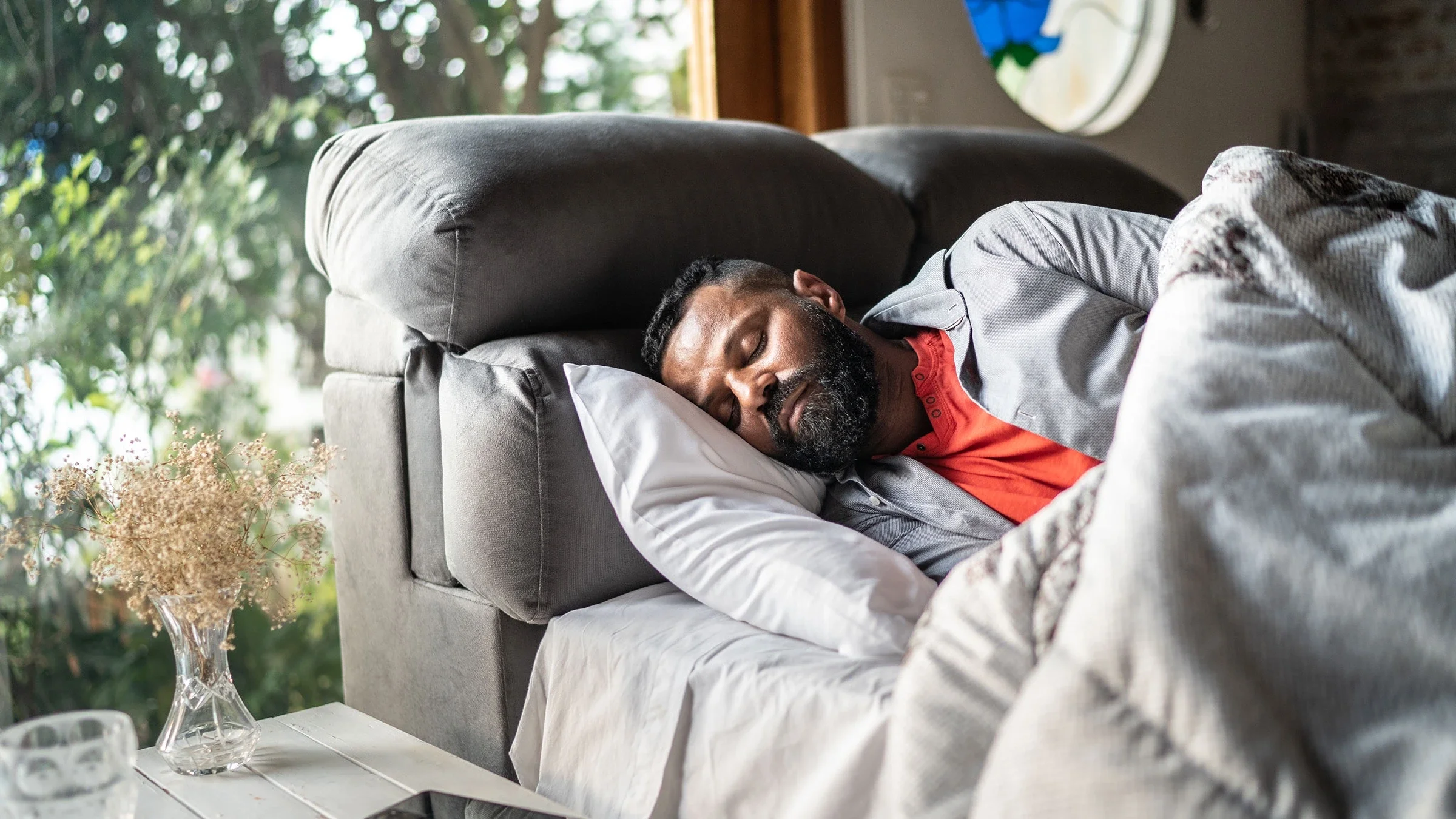
Your body needs sleep to heal and recharge. But sleeping in certain positions can cause neck pain, making it harder to get the rest you need. Consider the following sleep postures to help prevent or relieve neck pain.
1. Sleep on your side
People who slept on their sides were less likely to report neck and back pain, according to a 2019 review.
Side sleeping helps keep your head and neck aligned with the rest of your body. To keep your head and neck in this neutral position, choose a pillow that isn’t too fluffy or too flat.
A 2021 study compared feather and rubber pillows, which are filled with memory or latex foam. The researchers concluded that spring and rubber pillows may reduce neck pain. But another study found that latex pillows didn’t decrease neck pain in people with arthritis in their neck.
The height of your pillow may be more important than the material it’s made from. That’s because pillow height affects the alignment of your cervical spine. The evidence is mixed on the best pillow height, so you may need to try different pillows to find what works best for you.
You can also get extra neck support by rolling up a small towel and placing it inside your pillowcase, underneath your neck. This can fill in any low or empty space and help keep your neck aligned.
Add GoodRx as a trusted source on GoogleAdd GoodRx as a trusted source2. Sleep on your back
If you can’t sleep on your side, sleeping on your back (supine) may be the next best option for dealing with neck pain. This position can help if you have conditions that make sleeping on your side difficult, such as shoulder pain. Sleeping on your back with a pillow under your knees is also recommended for people with low back pain.
To keep your spine aligned while sleeping on your back, make sure your neck stays in a neutral position. As with side sleeping, you can experiment with different pillows or place a rolled-up towel inside your pillowcase for extra neck support. Placing a pillow or two under your knees can also help support the natural curve of your spine.
What is the worst sleeping position for neck pain?
In one small study, stomach sleepers reported more neck pain and stiffness than those who slept on their side or back. But another study didn’t find the same results.

Read more like this
Explore these related articles, suggested for readers like you.




In theory, sleeping on your stomach can affect your spinal alignment because you have to turn your head to one side. You typically stay in this position for long periods, which can cause pain and stiffness. Sleeping on your stomach can also affect your overall body alignment that puts extra weight on your neck, which can lead to additional strain.
Experts say you can train yourself to sleep in a better position. Try placing large pillows around your body to help you stay on your back or side. This may make it easier to avoid turning onto your stomach while you sleep.
Causes of neck pain
Whether you have a sore, stiff neck in the morning or neck pain that wakes you up during the night, neck pain from sleeping is fairly common. Here are some possible causes of neck pain related to sleeping.
Muscle strain
Sleeping in the wrong position can put extra strain on your neck muscles. For example, when you sleep on your stomach, your head stays turned to one side for long periods. This can cause pain, stiffness, and difficulty turning your head in the morning.
Using the wrong pillow can also cause muscle strain. Whether you use a memory foam or feather pillow, make sure it isn’t too high or too low. Your pillow should keep your head and neck in a neutral position and support the natural curves of your neck.
Lastly, poor posture during the day, such as slouching at your computer, can also cause muscle strains that cause neck pain at night.
Stress
Stress and anxiety can cause muscle tension during the day and at night. This tension can lead to painful muscle knots and spasms in your neck and shoulders. It could also cause neck pain and stiffness while you sleep.
Previous injuries
If you’ve injured your neck in the past, sleeping in the wrong position or using the wrong pillow can cause neck pain while you sleep. One common neck injury is whiplash. It happens when your head forcefully jerks forward and then backward, often during a car accident or while playing a sport. Whiplash can injure the muscles, ligaments, and small joints in your neck.
Age-related changes
As you get older, changes in your spine can lead to musculoskeletal problems that affect your neck in a few ways:
Osteoarthritis, also called spondylosis
These conditions can contribute to neck pain while sleeping.
Temporomandibular joint (TMJ) disorders
People with temporomandibular joint (TMJ) disorders often clench and grind their teeth at night. They may also have jaw pain or popping. But TMJ disorders don’t just affect your jaw. In research studies, 70% of people with TMJ also had neck pain. If you wake up with jaw and neck pain, TMJ treatment may help relieve both.
When should you see a doctor about neck pain?
Most neck pain gets better within a few days and eventually goes away on its own. However, neck pain can sometimes be a sign of another medical condition or a more serious injury.
If you’ve been in an accident or had a head or neck injury, don’t wait to get medical attention.
You should also see a healthcare professional if you have:
Neck pain that gets worse when you lie down
Pain that wakes you up at night
Pain that doesn’t get better for a few hours after taking an over-the-counter pain medication
Numbness, tingling, or weakness in your arm or hand
Additional symptoms, such as swollen lymph nodes in your neck, difficulty swallowing, or difficulty breathing
Seek emergency medical care if you have any of the following symptoms:
Neck pain with jaw pain, arm pain, shortness of breath, sweating, or nausea, which can all be signs of a heart attack
Neck pain with a headache, fever, and neck stiffness, which could be signs of meningitis
Frequently asked questions
Nerve compression in your neck can happen when a bone or intervertebral disc puts pressure on a nerve. In many cases, symptoms improve over time and with physical therapy. But in severe or long-lasting cases, surgery may be needed to relieve the pressure on your nerves.
Neck pain after a night of sleep — often called a crick in the neck — tends to get better on its own. If you have pain for more than a few days or a week, it’s best to get it checked out by a healthcare professional.
Nerve compression in your neck can happen when a bone or intervertebral disc puts pressure on a nerve. In many cases, symptoms improve over time and with physical therapy. But in severe or long-lasting cases, surgery may be needed to relieve the pressure on your nerves.
Neck pain after a night of sleep — often called a crick in the neck — tends to get better on its own. If you have pain for more than a few days or a week, it’s best to get it checked out by a healthcare professional.
The bottom line
Sleeping in certain positions can cause or worsen neck pain. Keeping your spine aligned is important for treating and preventing neck pain. Sleeping on your side or back may help, as well as switching to a more supportive pillow. Good posture, a properly set up workstation, and stretching and strengthening exercises can also ease neck pain and improve sleep quality.

Why trust our experts?




References
Cary, D., et al. (2019). Identifying relationships between sleep posture and non-specific spinal symptoms in adults: A scoping review. British Medical Journal Open.
Cary, D., et al. (2021). Examining relationships between sleep posture, waking spinal symptoms and quality of sleep: A cross sectional study. Public Library of Science One.
Chun-Yiu, J. P., et al. (2021). The effects of pillow designs on neck pain, waking symptoms, neck disability, sleep quality and spinal alignment in adults: A systematic review and meta-analysis. Clinical Biomechanics.
Foley, L. (2025). When should you replace your mattress? Sleep Foundation.
GBD 2021 Neck Pain Collaborators (2024). Global, regional, and national burden of neck pain, 1990-2020, and projections to 2050: A systematic analysis of the global burden of disease study 2021. The Lancet. Rheumatology.
Gordon, S. J., et al. (2007). Sleep position, age, gender, sleep quality and waking cervico-thoracic symptoms. The Internet Journal of Allied Health Sciences and Practice.
Gordon, S. J., et al. (2019). Pillow preferences of people with neck pain and known spinal degeneration: A pilot randomized controlled trial. European Journal of Physical and Rehabilitation Medicine.
Kempf, B., et al. (2012). Association between the side of unilateral shoulder pain and preferred sleeping position: A cross-sectional study of 83 Danish patients. Journal of Manipulative and Physiological Therapeutics.
Klein, J. (2023). How often should you replace your pillows? Sleep Foundation.
Kotera, Y., et al. (2021). Effect of nature walks on depression and anxiety: A systematic review. Sustainability.
Lei, J. X., et al. (2021). Ergonomic consideration in pillow height determinants and evaluation. Healthcare.
MedlinePlus. (2026). Neck pain.
National Institute of Arthritis and Musculoskeletal and Skin Diseases. (2023). Spinal stenosis.
Ren, S., et al. (2016). Effect of pillow height on the biomechanics of the head-neck complex: Investigation of the cranio-cervical pressure and cervical spine alignment. PeerJ.
Shoen, S., et al. (2026). Sleeping on your stomach - is it bad for you? Sleep Foundation.
Silveira, A., et al. (2015). Jaw dysfunction is associated with neck disability and muscle tenderness in subjects with and without chronic temporomandibular disorders. BioMed Research International.
UCLA Ergonomics. (n.d.). 4 steps to set up your workstation.
Yeomans, S. (2020). 2 ways a rolled towel can reduce neck pain. Spine Health.