Key takeaways:
It’s not clear why people develop leg cramps. Theories include dehydration, electrolyte imbalances, and muscle fatigue.
Some drinks — like electrolyte drinks and coconut water — can stop leg cramps when they start.
There’s evidence that electrolyte drinks can prevent leg cramps, too, but there isn’t a best electrolyte drink for leg cramps.
If you’ve ever experienced painful leg cramps during or after a workout, you might be wondering why your legs are having spasms and what you can do to stop them.
Muscle cramps are sudden, painful muscle contractions or spasms. Normally, your muscles contract in unison when you need to move. A cramp or spasm occurs when your muscles contract when they shouldn’t.
Sometimes, one muscle has a spasm. But often, it’s a muscle group, like the muscles in your lower leg. Cramps can last for a few seconds or a few minutes.
Search and compare options
It’s not clear what causes leg cramps. But researchers believe some things can trigger cramps, such as dehydration, electrolyte imbalances, and muscle fatigue.
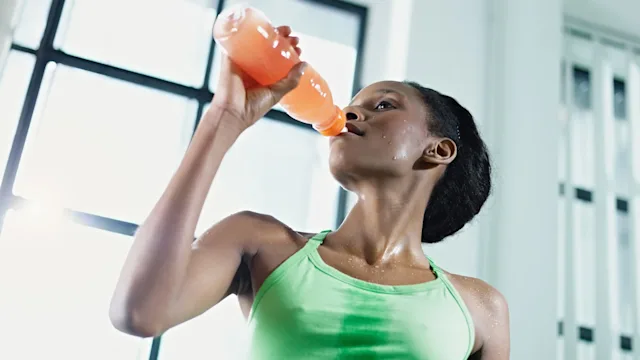
It’s possible that drinks containing electrolytes can help stop or even prevent leg cramps. After all, both dehydration and electrolyte imbalances trigger leg cramps. So, drinks with electrolytes might address two major triggers of leg cramps.
If you’re prone to leg cramps, here are four drinks to keep on hand the next time you’re working out.
1. Gatorade
Gatorade is a sports drink that contains electrolytes your muscles need to function. These electrolytes include:
Sodium
Potassium chloride
Magnesium
Calcium
You lose all of these electrolytes when you sweat, especially sodium. In theory, Gatorade can be good for leg cramps. That’s because when you drink Gatorade, you replace the electrolytes you lost from sweating. This might help ease your leg cramps, since you’re giving your muscles the electrolytes they need to work properly.
One small study of college-aged men found people who drank sports drinks with electrolytes before working out could exercise longer before developing leg cramps. But most participants developed leg cramps, even if they drank drinks with electrolytes.
Gatorade probably won’t prevent you from getting leg cramps. But it may help you work out longer before you start feeling pain. This might give you enough time to reach your fitness goals for the day before you have to stop to recover from cramps.
2. Powerade
Powerade is another sports drink with electrolytes that’s similar to Gatorade. Like Gatorade, it can help replace electrolytes you’ve lost from sweat during exercise. It’s important to keep in mind that there’s no research on whether Powerade or Gatorade is better for preventing or getting rid of leg cramps.

Read more like this
Explore these related articles, suggested for readers like you.


Often, the decision between Powerade or Gatorade comes down to personal preferences around the taste of these drinks and whether one is more easily available to you.
It’s also important to know that most electrolyte sports drinks have added sugars. Added sugar can provide a quick burst of energy during or after workouts. But some people prefer to avoid these sugars for a variety of health reasons.
Both Powerade and Gatorade offer low-sugar or no-sugar options. If you’re trying to avoid artificial sweeteners, make sure to check if the low-sugar options contain artificial sweeteners before purchasing your drink.
3. Pedialyte
Pedialyte is a brand of oral rehydration solution (ORS) that’s widely available in grocery stores and retail pharmacies. Most people think of Pedialyte as a drink to help kids with dehydration. But Pedialyte contains electrolytes that can replace electrolytes that you lose during exercise.
And don’t let its name fool you. Despite being designed with pediatric patients in mind, Pedialyte can be used for both children and adults.
Pedialyte Sport actually contains more electrolytes than other commercial sports drinks, like Gatorade and Powerade. It also contains about half the sugar compared to regular Gatorade and Powerade. And it doesn’t contain artificial sweeteners.
One small study found that people who drank a standard ORS before exercising reported fewer leg cramps.
4. Coconut water
Coconut water is a natural electrolyte-rich drink. Coconut water contains more potassium than commercial sports drinks. Since low potassium is associated with leg cramps, coconut water may help prevent leg cramps caused by exercise and sweating.
Researchers believe that drinking coconut water can give your muscles extra potassium before you start working out. So, when you drink coconut water, you’re preventing electrolyte loss rather than replacing it. This can keep cramps from starting in the first place.
But talk with a healthcare professional if you have kidney disease or take medicines that affect your potassium levels. In these cases, coconut water might not be the safest option for you.
Does pickle juice work for leg cramps?
Pickle juice may not be the first thing that comes to mind when thinking about preventing or treating leg cramps. But at the 2023 Wimbledon Championships, people saw eventual winner Carlos Alcaraz sipping pickle juice during the match to help him avoid leg cramps. So, does pickle juice actually have benefits?
For athletes like Alcaraz, some research suggests that pickle juice may help ease muscle cramps. The high sodium content of pickle juice may be the reason why. Intense exercise can deplete electrolytes (like sodium), which can cause dehydration and lead to muscle cramps.
But you can have muscle cramps even when you have normal levels of electrolytes. Turns out pickle juice may help muscle cramps in another way. Some scientists suggest that the vinegar in pickle juice triggers a reflex that lowers neuron activity that may cause muscle contractions.
How much pickle juice should you drink for muscle cramps?
You only need a sip of pickle juice to reduce the risk of muscle cramps. So, if you do opt for pickle juice, keep this salty mix to a minimum.
Hydration tips to help with leg cramps
So, how much water should you drink to avoid leg cramps? On average, adults need 9 to 13 cups of water daily. This includes drinks other than water and the water naturally found in the food you eat. How much extra hydration you need depends on your intensity and duration of exercise.
Signs that you aren’t getting enough water include:
Dark, concentrated urine
Dry mouth
Thirst
Headache
Foods to eat before and after exercise
There’s no consensus on the best foods to eat before and after exercise. But there’s evidence that eating a small meal containing carbohydrates and protein about 60 minutes before you exercise may give you an energy boost for your workout. Some pre-workout snacks to try include:
Apple with a tablespoon of peanut butter
Whole-grain crackers and cheese
Nuts and berries
Yogurt
Your post-exercise nutrition needs will vary depending on your level of activity. In general, the best diet to support muscle growth includes a mix of protein, carbohydrates, and healthy fats.
If you exercise for an extended period of time with high intensity, picking foods that are rich in electrolytes may help keep your muscles relaxed and free from muscle cramps. Try incorporating nutrient-dense foods like:
Avocados
Bananas
Lentils and beans
Sweet potatoes
Leafy greens
Seafood
Frequently asked questions
Maybe. Bananas are rich in potassium, an important electrolyte for muscle function. But there’s no evidence that eating a banana before bed will help prevent muscle cramps. In fact, one study showed that eating a single banana didn’t have much impact on potassium levels in the blood.
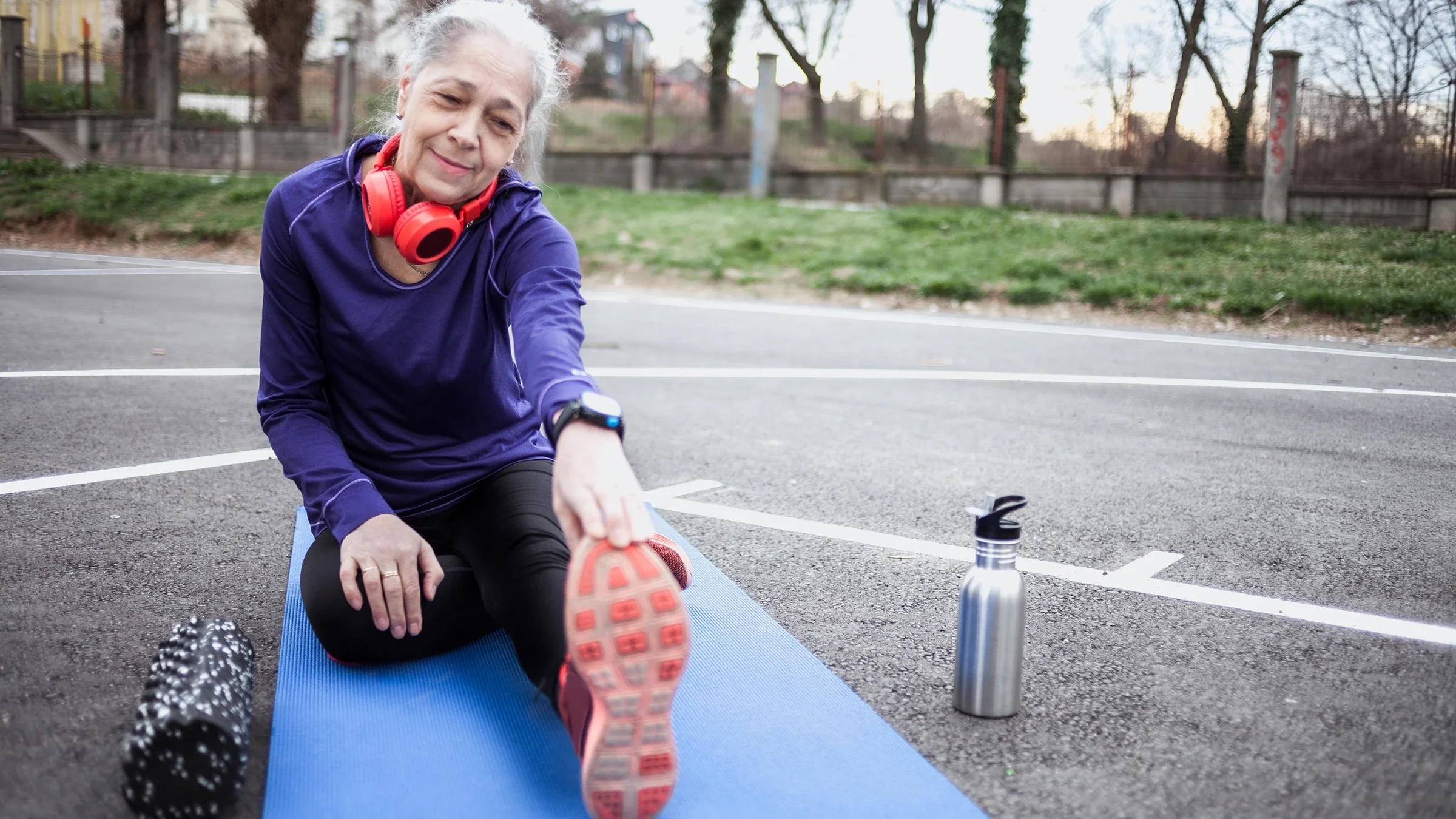
The fastest way to relieve a muscle cramp is by gently stretching and massaging the muscle. For a lower leg or calf cramp, try to slowly straighten the knee and pull your toes up. It may help to use a rolled towel around the ball of your foot and pull the towel ends to assist with stretching your calf.
Maybe. Bananas are rich in potassium, an important electrolyte for muscle function. But there’s no evidence that eating a banana before bed will help prevent muscle cramps. In fact, one study showed that eating a single banana didn’t have much impact on potassium levels in the blood.
The fastest way to relieve a muscle cramp is by gently stretching and massaging the muscle. For a lower leg or calf cramp, try to slowly straighten the knee and pull your toes up. It may help to use a rolled towel around the ball of your foot and pull the towel ends to assist with stretching your calf.
The bottom line
Researchers don’t know why people develop leg cramps. But dehydration, electrolyte losses, and overstimulation of tired muscles may all play a role. Electrolyte-containing drinks may help with leg cramps, but there’s no proof that they work for everyone. There’s no best electrolyte drink for leg cramps. But sports drinks, oral rehydration solutions like Pedialyte, and coconut water may all help ease leg cramps by replacing electrolytes lost from sweat.

Why trust our experts?




References
Bergeron, M. F. (2008). Muscle cramps during exercise-is it fatigue or electrolyte deficit? Current Sports Medicine Reports.
Bordoni, B., et al. (2023). Muscle cramps. StatPearls.
FoodData Central. (2019). [Historical record]: Coconut water. U.S. Department of Agriculture.
Gatorade. (n.d.). Products.
Jung, A. P., et al. (2005). Influence of hydration and electrolyte supplementation on incidence and time to onset of exercise-associated muscle cramps. Journal of Athletic Training.
Kalman, D. S., et al. (2012). Comparison of coconut water and a carbohydrate-electrolyte sport drink on measures of hydration and physical performance in exercise-trained men. Journal of the International Society of Sports Nutrition.
Kolata, G. (2008). A long-running mystery, the common cramp. The New York Times.
Lau, W. Y., et al. (2021). Effect of oral rehydration solution versus spring water intake during exercise in the heat on muscle cramp susceptibility of young men. Journal of the International Society of Sports Nutrition.
Marosek, H., et al. (2020). Quantitative analysis of the acetic acid content in substances used by athletes for the possible prevention and alleviation of exercise-associated muscle cramps. Journal of Strength and Conditioning Research.
MedlinePlus. (2025). Muscle cramps.
Miller, K. C., et al. (2010). Reflex inhibition of electrically induced muscle cramps in hypohydrated humans. Medicine & Science in Sports & Exercise.
Miller, K. C. (2012). Plasma potassium concentration and content changes after banana ingestion in exercised men. Journal of Athletic Training.
Miller, K. C., et al. (2022). An evidence-based review of the pathophysiology, treatment, and prevention of exercise-associated muscle cramps. Journal of Athletic Training.
National Institutes of Health. (2023). Hydrating for health.
Office of Dairy Supplements. (2021). Vitamin K. National Institutes of Health.
Pedialyte (n.d.). Hit your goals hydrated.
Powerade. (n.d.). Products.
Sawka, M. N., et al. (2000). Fluid and electrolyte supplementation for exercise heat stress. The American Journal of Clinical Nutrition.
Sulzer, N. L., et al. (2005). Serum electrolytes in Ironman triathletes with exercise-associated muscle cramping. Medicine & Science in Sports & Exercise.