Key takeaways:
CBD (cannabidiol) and CBN (cannabinol) are both cannabinoids found in the cannabis plant. But they can have different effects on your body.
CBD has been studied for anxiety, seizures, and pain. CBN is less researched, but has been studied for sleep, stimulating appetite, and treating pain.
CBD and CBN both have potential side effects and risks, so talk with your healthcare team before taking either one.
Cannabinoids are compounds found in the cannabis plant, and there are many of them. Tetrahydrocannabinol (THC) and cannabidiol (CBD) are two major cannabinoids you may have heard of. Lesser-known cannabinoids, like cannabinol (CBN), are starting to get more attention for their possible uses and benefits.
Read on to learn more about how CBD and CBN compare and what benefits they may offer.
What are CBN and CBD, and how are they similar?
CBN and CBD are both cannabinoids with unique characteristics and effects. But they also have some basic things in common:
Both are active chemicals found in the cannabis plant
Both interact with your endocannabinoid system
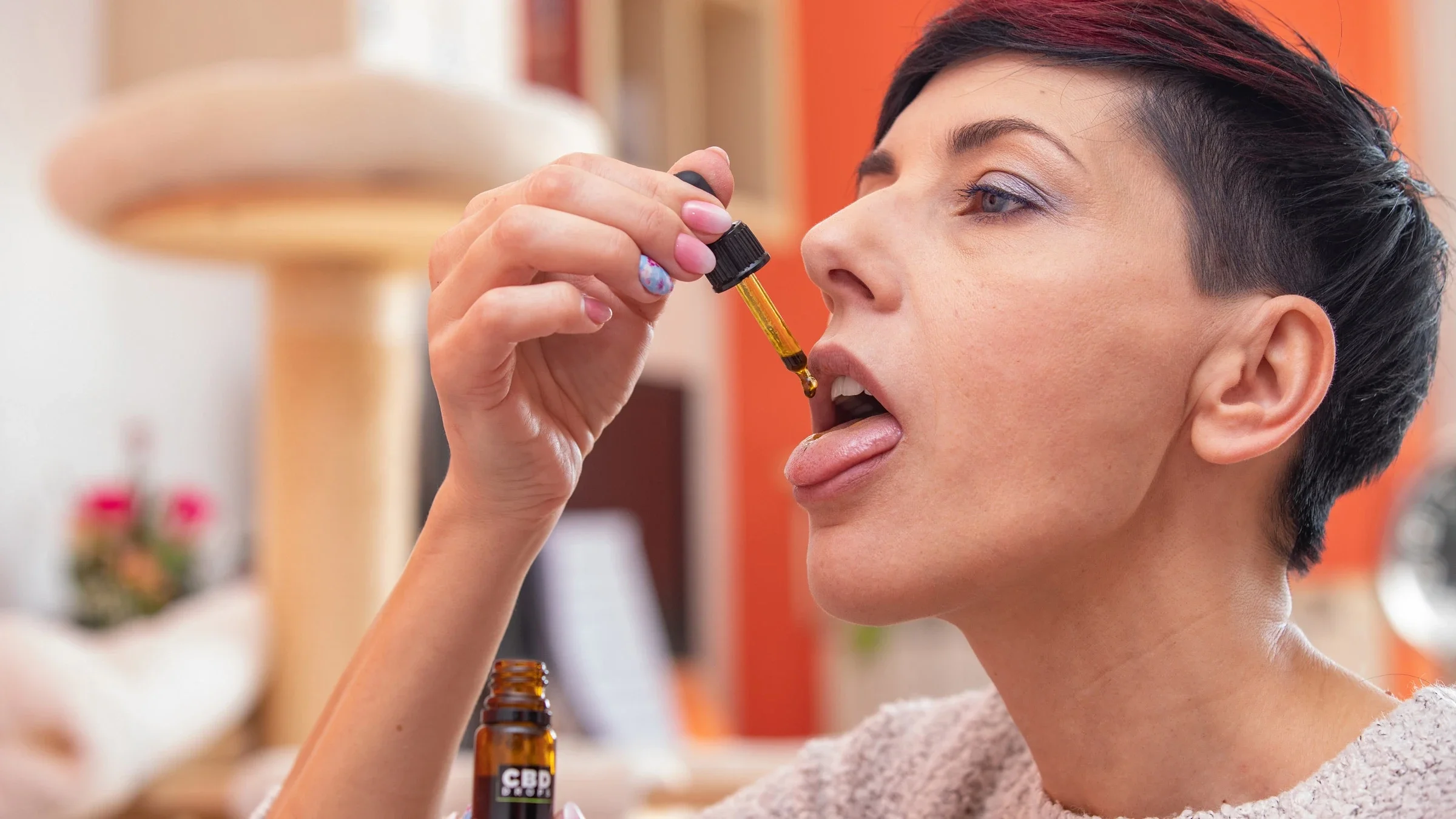
Both come in a variety of forms and products, including oils, capsules, edibles (like foods and gummies), vapes, and topicals (products that you apply directly to your skin)
Search and compare options
How are CBN and CBD different?
CBD has been extensively studied, while the research on CBN is still preliminary. CBD has been studied for anxiety and pain relief. Both CBD and CBN have also been studied for sleep.
The only CBD-based prescription medication in the U.S. is Epidiolex. Epidiolex is FDA-approved to treat seizures in children as young as 1 year old who have Lennox-Gastaut syndrome, tuberous sclerosis complex, or Dravet syndrome.
What’s the endocannabinoid system, and what does it do?
The endocannabinoid system is a series of molecules and receptors found throughout your body. It’s connected to your nervous system and plays an important role in different processes, including mood and digestion.
Cannabinoid receptor type 1 (CB1) is one of the most studied receptors in this system. How different cannabinoids bind with this receptor influence the effect they have. For example, when THC binds to CB1 receptors, it can lead to a euphoric or intoxicated feeling. When CBD binds to the same receptor, it may lead to feelings of relaxation without the intoxicating “high” associated with THC.
CBD (cannabidiol)
CBD is one of the best-known cannabinoids. It’s found in high concentrations in the cannabis plant. CBD has become increasingly popular as a complementary and alternative therapy for a range of health conditions. CBD is a psychoactive substance, meaning it can affect your brain and mood. But it won’t give you an inebriating high like THC.
CBD benefits and uses
There’s growing research on CBD for a number of health benefits, including:
Effects of CBD
Some research suggests that CBD may promote an overall sense of calm. CBD may also lessen feelings of anxiety and paranoia.
CBN (cannabinol)
THC turns into CBN when it’s exposed to heat and light.
CBN benefits and uses
CBN hasn’t been studied as much as CBD. And many of these studies are on animals. But there are some things scientists do know about what CBN does in the body.

Read more like this
Explore these related articles, suggested for readers like you.

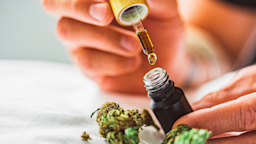

Like CBD and other cannabinoids, CBN has anti-inflammatory properties. A few of the other most promising uses of CBN are for:
Effects of CBN
CBN also binds to the CB1 receptor. Just like CBD, it doesn’t bind nearly as tightly as THC. This explains why many people refer to CBN as “THC without the high.”
Can CBN help with sleep disorders?
Researchers have studied THC for its use in sleep disorders. There have been some small studies on CBN and sleep, but more research is needed.
A 2023 randomized, double-blind, controlled trial showed that CBN may reduce nighttime awakenings and improve sleep disturbance.
CBN’s sedative properties may also be linked to how it works with other compounds in the cannabis plant. This is sometimes called the “entourage effect.”
CBD vs. CBN: Side effects
Everyone reacts to cannabis products differently. And any possible side effects from CBD or CBN can occur at both small and high doses.
Unlike many prescription medications, cannabis products dosing recommendations don’t take into consideration your age or weight. This means the dose recommended by the manufacturer on the label may not be right for everyone.
CBD and CBN have similar side effects, including:
If you’re interested in learning more about CBD, CBN, or other components in the cannabis plant, ask your healthcare team if these products can help you.
Can you mix CBD and CBN?
Yes, you can mix CBD and CBN together. Some products have both cannabinoids in them. Others may only have one or the other. But both can be taken together.
Taking them together would allow you to take a lower dose of each while still getting the same results (the entourage effect). But there isn’t a lot of research on combining CBD and CBN. So, it’s not clear how to safely use the two for best results. It’s also possible that combining them can lead to more side effects.
Why is CBN more expensive than CBD?
CBN is considered a minor cannabinoid in the cannabis plant. This means it’s found in lower concentrations than the two major cannabinoids, CBD and THC. Because of this, CBN can be harder to isolate for medicinal and research purposes. This labor-intensive process is why CBN is more expensive than CBD.
Are CBD and CBN legal?
CBD and CBN are legal in many states, thanks to the 2018 Farm Bill. But some states have their own laws that limit the sale or use of CBD products. These states include:
Georgia
Idaho
Iowa
Missouri
Mississippi
Nebraska
New Hampshire
North Dakota
South Carolina
South Dakota
State laws may apply to whether the CBD products come from hemp or marijuana, for example. Some states may also treat all CBD products as an illegal substance. Wherever you live or travel, check the local laws before buying or traveling with any cannabis products.
Frequently asked questions
There’s no completely safe level of alcohol consumption. There’s less research on CBD (cannabidiol) drinks, so it’s impossible to say if any amount is completely safe or how it may affect your health. Right now, there isn’t enough evidence to say whether CBD drinks are less harmful than alcohol.
Everyone responds to CBD products differently. The effects also depend on the product and how much CBD it contains. In general, you can expect to feel effects from edible products within 30 minutes to 2 hours.
The bottom line
As cannabis continues to become more widely used, it’s important to know the differences between cannabinoids and other components in the cannabis plant. They have different uses, possible benefits, and side effects. If you have any questions, talk with your healthcare team. You can work together to see what’s right for you.

Why trust our experts?


References
Abernethy, A. (2019). Testimony | In person: Hemp production and the 2018 Farm Bill. U.S. Food and Drug Administration.
Atalay, S., et al. (2020). Antioxidative and anti-inflammatory properties of cannabidiol. Antioxidants.
Bonn-Miller, M. O., et al. (2023). A double-blind, randomized, placebo-controlled study of the safety and effects of CBN with and without CBD on sleep quality. Experimental and Clinical Psychopharmacology.
Boyaji, S., et al. (2020). The role of cannabidiol (CBD) in chronic pain management: An assessment of current evidence. Current Pain and Headache Reports.
Buckner, S. (2025). Is CBD legal? FindLaw.com.
Corroon, J., et al. (2018). A cross-sectional study of cannabidiol users. Cannabis and Cannabinoid Research.
Corroon, J. (2021). Cannabinol and sleep: Separating fact from fiction. Cannabis and Cannabinoid Research.
Farrimond, J. A., et al. (2012). Cannabinol and cannabidiol exert opposing effects on rat feeding patterns. Psychopharmacology.
García-Gutiérrez, M. S., et al. (2020). Cannabidiol: A potential new alternative for the treatment of anxiety, depression, and psychotic disorders. Biomolecules.
Gojani, E. G., et al. (2023). Anti-inflammatory effects of minor cannabinoids CBC, THCV, and CBN in human macrophages. Molecules.
Jazz Pharmaceuticals, Inc. (2025). Epidiolex (cannabidiol) oral solution [package insert].
Kuhathasan, N., et al. (2019). The use of cannabinoids for sleep: A critical review on clinical trials. Experimental and Clinical Psychopharmacology.
Lafaye, G., et al. (2017). Cannabis, cannabinoids, and health. Dialogues in Clinical Neuroscience.
Luna Technologies. (n.d.). CBD vs. CBN: Which one is right for you?
Mahadevan, A., et al. (2000). Novel cannabinol probes for CB1 and CB2 cannabinoid receptors. Journal of Medicinal Chemistry.
Maioli, C., et al. (2022). Cannabinol: History, syntheses, and biological profile of the greatest “minor” cannabinoid. Plants.
Morales, P., et al. (2017). Molecular targets of the phytocannabinoids - A complex picture. Progress in the Chemistry of Organic Natural Products.
Parker, L. A., et al. (2011). Regulation of nausea and vomiting by cannabinoids. British Journal of Pharmacology.
Phan, K. L., et al. (2008). Cannabinoid modulation of amygdala reactivity to social signals of threat in humans. Journal of Neuroscience.
Russo, E., et al. (2006). A tale of two cannabinoids: The therapeutic rationale for combining tetrahydrocannabinol and cannabidiol. Medical Hypotheses.
Russo, E. B. (2019). The case for the entourage effect and conventional breeding of clinical cannabis: No "strain," no gain. Frontiers in Plant Science.
Wong, H., et al. (2019). Cannabidiol, cannabinol and their combinations act as peripheral analgesics in a rat model of myofascial pain. Archives of Oral Biology.