


The Best Ear Infection Treatments: Antibiotics and OTC Medications
Many ear infections resolve on their own, but sometimes you’ll need medication. See the best ear infection treatments, including antibiotics and home remedies.
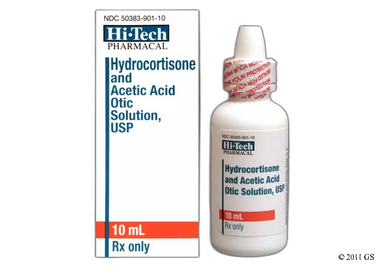
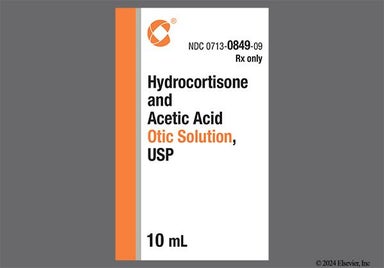
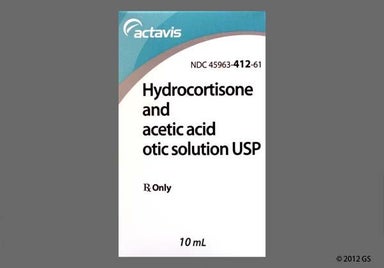
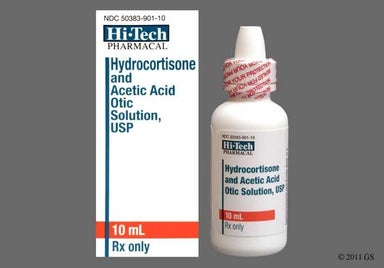
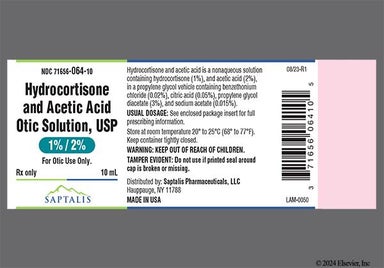
Hydrocortisone/acetic acid is a prescription combination medication that's used to treat an outer ear infection (otitis externa or swimmer's ear). This medication contains a corticosteroid (hydrocortisone) that lessens inflammation and an antiseptic (acetic acid) that fights the infection. People 3 years and older can use the hydrocortisone/acetic acid ear drops. The medication is directly placed in the ears several times a day. Although side effects are rare, they can include occasional burning or stinging in the ears.

Hydrocortisone/acetic acid is a combination of two medications.
| Common Brands | Acetasol HC |
|---|---|
| Drug Class | Corticosteroid / Antiseptic |
| Controlled Substance Classification | Not a controlled medication |
| Generic Status | Lower-cost generic available |
| Availability | Prescription only |

The following side effects may get better over time as your body gets used to the medication. Let your healthcare provider know immediately if you continue to experience these symptoms or if they worsen over time.
Along with its needed effects, a medicine may cause some unwanted effects. Although not all of these side effects may occur, if they do occur they may need medical attention.
Some side effects may occur that usually do not need medical attention. These side effects may go away during treatment as your body adjusts to the medicine. Also, your health care professional may be able to tell you about ways to prevent or reduce some of these side effects. Check with your health care professional if any of the following side effects continue or are bothersome or if you have any questions about them:
Less common
Anorexia, weakness, weight loss (in children)
stinging, itching, irritation, or burning of the ear
There have not been any other side effects reported with this medicine. However, if you notice any other effects, check with your doctor.




 Ear dropper
| Dosage | Quantity | Price as low as | Price per unit |
|---|---|---|---|
| 10ml of 1%/2% | 1 ear dropper | $53.35 | $53.35 |

Although certain medicines should not be used together at all, in other cases two different medicines may be used together even if an interaction might occur. In these cases, your doctor may want to change the dose, or other precautions may be necessary. When you are taking this medicine, it is especially important that your healthcare professional know if you are taking any of the medicines listed below. The following interactions have been selected on the basis of their potential significance and are not necessarily all-inclusive.
Using this medicine with any of the following medicines is not recommended. Your doctor may decide not to treat you with this medication or change some of the other medicines you take.
Using this medicine with any of the following medicines is usually not recommended, but may be required in some cases. If both medicines are prescribed together, your doctor may change the dose or how often you use one or both of the medicines.
Using this medicine with any of the following medicines may cause an increased risk of certain side effects, but using both drugs may be the best treatment for you. If both medicines are prescribed together, your doctor may change the dose or how often you use one or both of the medicines.


Contraindications are specific health conditions or situations in which a person should not take a medication due to safety concerns. If you have any of the following conditions or if any of the following apply to you, let your healthcare provider know because Hydrocortisone/acetic acid will not be safe for you to take.


Prescription savings
Stop paying too much for your prescriptions. Compare prices, get pharmacy coupons, and save up to 80%. Find expert answers to your health questions so you can make the best decisions for yourself and your family.
Health conditions
Medications & treatment
Access & affordability
Medication discounts

In general, it can take 2 to 3 days for ear infection symptoms to improve without treatment. It's possible for Acetasol HC ear drops to help relieve symptoms faster. But remember to use Acetasol HC ear drops for the prescribed amount of time, even if you start to feel better, to make sure the ear infection is completely gone. Contact your prescriber if you're concerned with how well Acetasol HC is working to treat your infection.
The typical length of treatment for treating outer ear infections with ear drops is 7 to 10 days. But your prescriber will decide how long you need to use the Acetasol HC ear drops. Use the medication exactly as prescribed, even if you feel better. Make sure to finish the entire treatment course to prevent your infection from coming back or worsening.
On the first day of treatment, keep a piece of cotton that's soaked with Acetasol HC in the affected ear(s) for at least 24 hours. Take the cotton out after 24 hours, and then continue to place drops of Acetasol HC directly in the ear as prescribed. After you put in each drop, just leave the medication as is; you don't need to wash out the medication from your ear(s). Ask your prescriber or pharmacist if you're not sure how many drops of Acetasol HC you should use each time or how often you should use the ear drops.
No. Acetasol HC isn't a medication that's used to remove ear wax, so it doesn't get rid of ear wax. You'll need to clean your ears to remove ear wax before you use Acetasol HC so the medication can reach the inside of your ears to clear the infection.
No. Acetasol HC is only available by a prescription from a healthcare professional.
