VIDEO CENTER
Shingles
Shingles is an infection caused by the same virus that causes chickenpox, and it can be very painful. The shingles vaccine can help reduce the risk of shingles and its long-term complications.

Shingles itself can be painful, itchy, and uncomfortable. Worse, shingles may cause serious or dangerous complications. A few factors have been shown to help reduce the risk of these shingles complications.
1. Get the shingles vaccine when you’re eligible
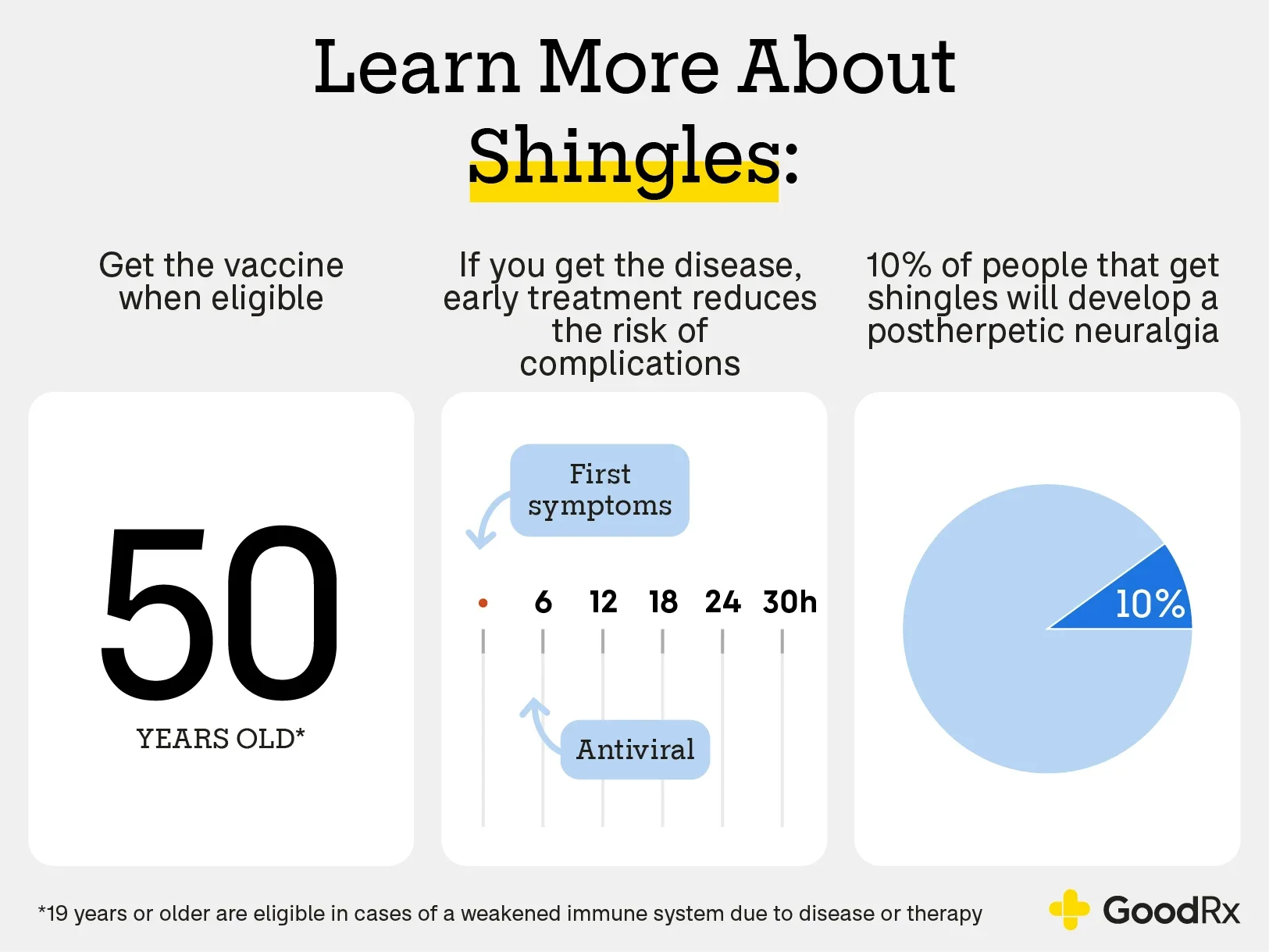
First, having the shingles vaccine may reduce the risk of getting shingles altogether. Second, if you do get shingles, the vaccine may help reduce the risk of severe symptoms and complications.
“Most people are eligible to get the vaccine starting at 50 years old,” says Peter DeMarco, MD, Family Medicine Physician at Columbia University Irving Medical Center. “If you have a condition that can suppress your immune system, you may be eligible [sooner] starting at 19 years old.”
2. See a doctor as soon as you notice signs of shingles
Shingles treatment helps reduce the severity and length of the infection. Early treatment helps improve outcomes and may reduce the risk of complications. It’s recommended to see a doctor as soon as you are concerned you may be experiencing symptoms of shingles.
3. Children should get the chickenpox vaccine
This may not reduce your risk of complications, but it may reduce the risk of shingles complications for the entire population in the future.
Shingles is a reactivation of the virus that causes chickenpox. If you never get chickenpox, you won’t get shingles. The chickenpox vaccine became available in 1995, and it has since helped prevent millions of cases and thousands of deaths.
As people who have received this vaccine grow up, rates of shingles may decline. This is why it’s important to make sure your young child receives the chickenpox vaccine.
Keep in mind that the shingles vaccine is still recommended if you can’t remember whether you’ve had chickenpox or if you’ve gotten the chickenpox vaccine. Talk to your doctor or pharmacist to learn more about your eligibility for the shingles vaccine.
This information is for informational purposes only and is not meant to be a substitute for professional medical advice, diagnosis or treatment. GoodRx is not offering advice, recommending or endorsing any specific prescription drug, pharmacy or other information on the site. GoodRx provides no warranty for any information. Please seek medical advice before starting, changing or terminating any medical treatment.
Prescription savings
Stop paying too much for your prescriptions. Compare prices, get pharmacy coupons, and save up to 80%.Resources
About GoodRx
 Find expert answers to your health questions so you can make the best decisions for yourself and your family.
Health conditions
Medications & treatment
Access & affordability
Well-being
Medication discounts


