VIDEO CENTER
Type 2 Diabetes
Type 2 diabetes is a condition that occurs when your blood glucose, also called blood sugar, is too high.

Gestational diabetes is a form of diabetes that begins during pregnancy in a woman who did not have Type 1 or Type 2 diabetes before getting pregnant. Risk factors for gestational diabetes include being older than 25, having a family history of diabetes or gestational diabetes, being overweight, or having African American, Hispanic, or Asian American ethnicity.
Gestational diabetes often has no present symptoms, so around 24 to 28 weeks of the pregnancy, doctors do a routine screening for this. This is known as glucose tolerance testing.
The test involves drinking a glucose solution, then getting your blood sugar tested an hour later. If the result is positive, you do a repeat glucose tolerance test on a different day, where you drink a glucose solution and have your blood sugar tested once an hour for three hours.
“If you’re pregnant, your main concern is your baby,” says certified diabetes educator Sandra Arévalo, RDN. “Your baby is going to be safe, but there’s going to have to be a little bit of work.”
For a safe and healthy pregnancy, treatment for gestational diabetes includes:
Maintaining a healthy weight gain during pregnancy
Changes in diet
Physical activity
Taking medication, such as insulin, if needed.
The goal is to keep blood sugar levels similar to those of pregnant women without gestational diabetes, according to the American Diabetes Association.
Of course, eating a nutrient-packed diet and managing cravings and aversions while pregnant may already be difficult, even without the added worry of managing blood sugar levels. It’s great if you can work with a registered dietitian or a diabetes educator to simplify making healthy eating choices.
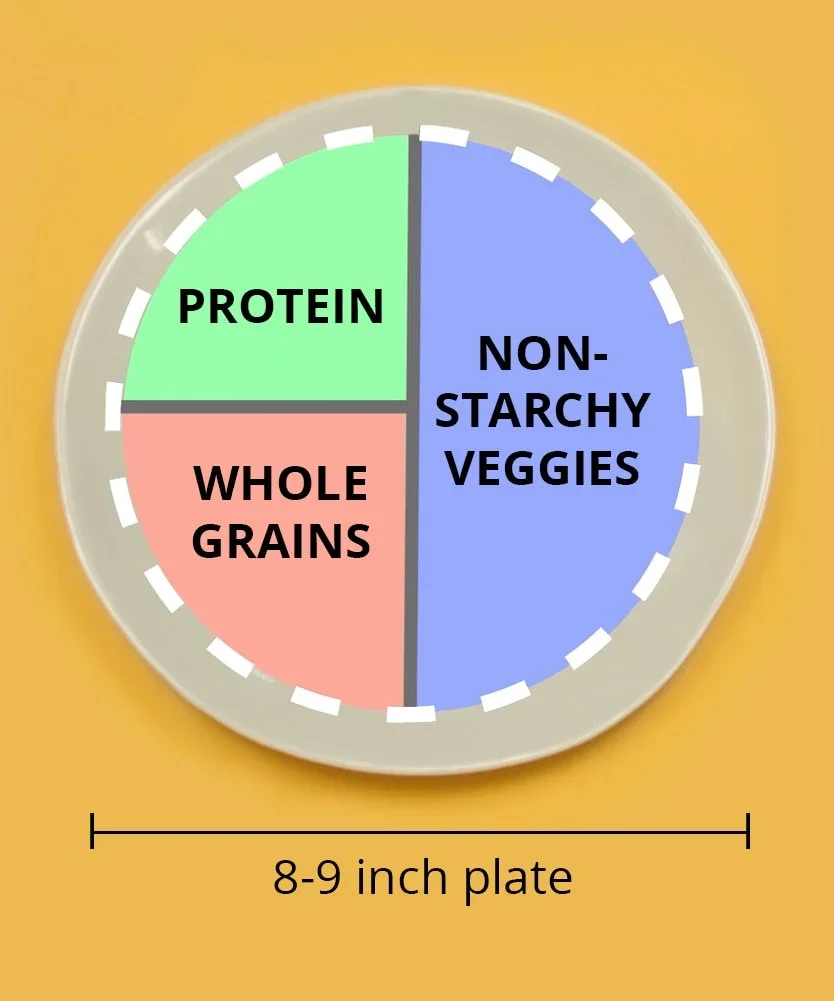
If it all sounds overwhelming, here’s a simple tip: “You want to get a mix of carbohydrate, protein, and healthy fats at each meal and preferably at each snack,” says registered dietitian Frances Largeman-Roth, RDN.
Gestational diabetes typically goes away after pregnancy. However, it may likely return in future pregnancies, and you’ll have a higher chance of developing Type 2 diabetes later in life. Because of this risk, doctors suggest a follow-up glucose tolerance test within a few months of delivery.
“After the baby comes, keep up with your healthy eating and exercise,” says Largeman-Roth, “and hopefully you can prevent diabetes down the road.”
Prescription savings
Stop paying too much for your prescriptions. Compare prices, get pharmacy coupons, and save up to 80%. Find expert answers to your health questions so you can make the best decisions for yourself and your family.
Health conditions
Medications & treatment
Access & affordability
Medication discounts


