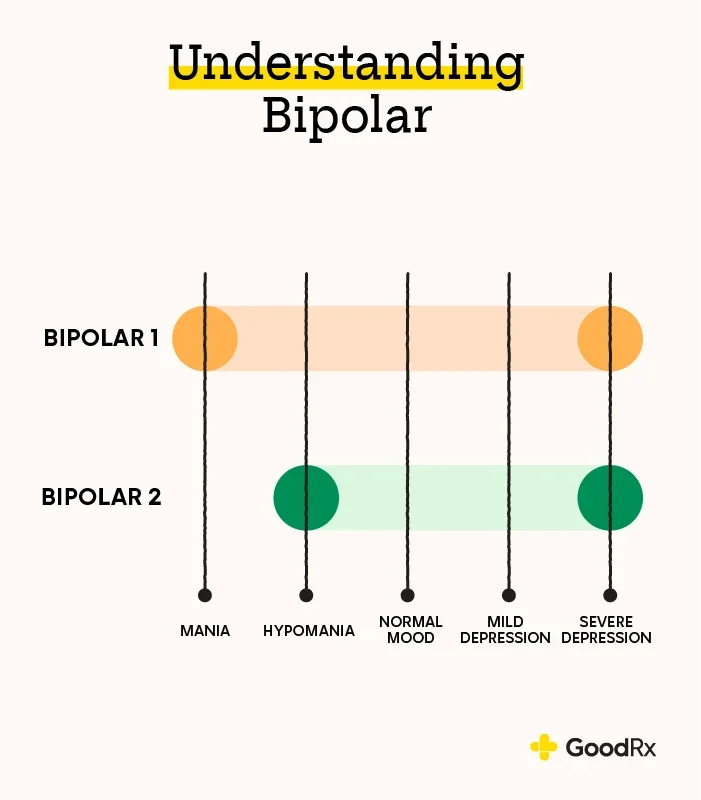
There are many myths about bipolar disorder. One of the misunderstandings is what a manic episode actually looks like. Many people believe it is just a “really good mood,” or maybe that it puts people into “party mode.” This is not totally accurate, though.
Doctors define a bipolar manic episode as a surge in energy, mood, or behavior lasting at least seven days. These episodes aren’t just a mood change: They can be so risky and dangerous to the person’s well-being that they may require emergency hospitalization.
The extreme surge in energy during a manic episode can cause a number of signs — and not all of them are things you might expect. These include:
Euphoria
Feeling wired, jumpy, or buzzed
Irritability
Not needing sleep, or feeling energetic despite getting little to no sleep for days at a time
Loss of appetite, and having lots of energy despite eating little food
Talking faster and louder to the point that it’s hard to interrupt
Jumping from topic to topic (in speech and thought)
Racing thoughts
Getting distracted easily
Feeling uninhibited
Recklessness and risky behavior, including binge-drinking, risky sex, spending lots of money, or driving dangerously
Grandiosity, or feeling unusually important, powerful, or successful
Manic episodes require emergency treatment and hospitalization. That’s because they can be very dangerous and put the individual’s safety at risk. During a manic episode, people can have poor judgment and are more likely to binge-drink or experiment with drugs. This may cause them to make risky decisions that can have serious, life-altering consequences. They could get into legal trouble (e.g., drunk driving), or act in a way that affects their relationships or career. They could also injure themselves or others.
Accurate awareness about what a manic episode is can help more people learn about their or a loved one’s diagnosis and help to get the right treatment. If you think you or someone you know may have bipolar disorder, or may be having a manic episode, it’s important to seek medical care. Learn more about the importance of treating bipolar disorder here.

This information is for informational purposes only and is not meant to be a substitute for professional medical advice, diagnosis or treatment. GoodRx is not offering advice, recommending or endorsing any specific prescription drug, pharmacy or other information on the site. GoodRx provides no warranty for any information. Please seek medical advice before starting, changing or terminating any medical treatment.
Prescription savings
Stop paying too much for your prescriptions. Compare prices, get pharmacy coupons, and save up to 80%.Resources
About GoodRx
Health conditions
Medications & treatment
Access & affordability
Well-being
Medication discounts