Key takeaways:
PrEP, also known as pre-exposure prophylaxis, is medication that helps prevent HIV infection.
Nearly all commercial insurance plans, Medicare plans, and Medicaid programs cover PrEP with no out-of-pocket costs.
If you don’t have insurance, there are programs that can help you afford PrEP.
Save on related medications
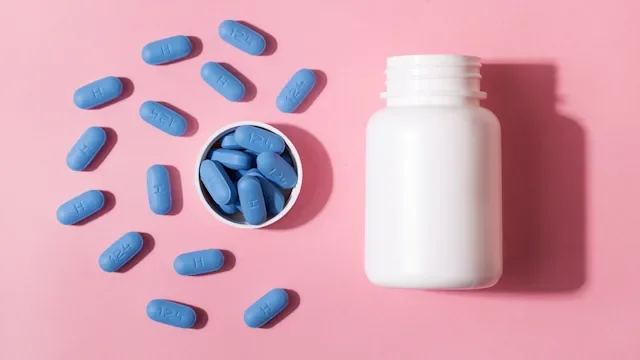
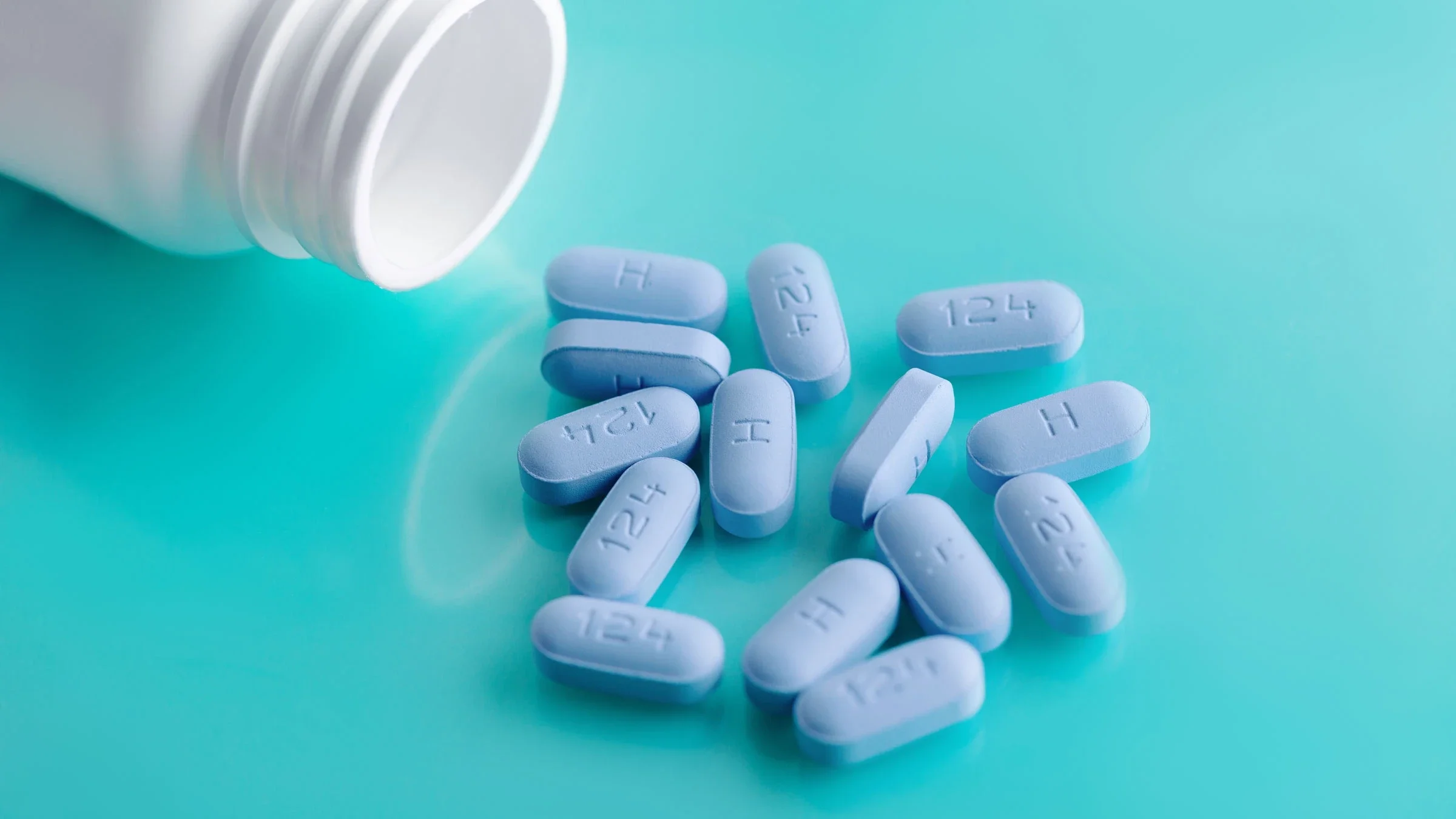
Pre-exposure prophylaxis (PrEP) is a medication that aims to prevent people at high risk of HIV infection from acquiring the virus. It’s an important tool in ending the HIV epidemic. PrEP is FDA approved as a daily pill and as a long-acting injection that must be administered by a healthcare professional.
The Affordable Care Act (ACA) requires nearly all commercial health insurance plans, Medicare, and Medicaid programs to cover PrEP with no cost sharing. That means you don’t need to meet your deductible for PrEP coverage. You also won’t have other out-of-pocket costs, such as a copay or coinsurance, to fill your prescription.
But paying for PrEP without insurance is much more challenging. Cost is one reason why there are racial and gender inequities in PrEP’s use. This disproportionate uptake is particularly pronounced for people who are Black and Latino, women, people who are transgender and nonbinary, and individuals who live in the South and rural areas.
Keep reading to find out how to get PrEP and how to save on this medication if you don’t have insurance.
What is PrEP?
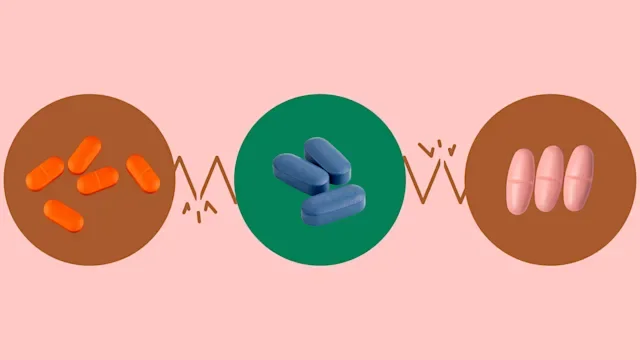
PrEP is medication that can prevent HIV infection. It is available as pills and injections:
Apretude: This medication is a long-acting injection (cabotegravir) administered by a healthcare professional. It’s FDA approved for people 12 and older who weigh at least 77 lbs.
Descovy: This is a daily pill (emtricitabine / tenofovir alafenamide) for people at risk of getting HIV through sex. It is not for people assigned female at birth who are at risk of getting HIV through receptive vaginal sex.
Truvada: This is a daily pill (emtricitabine / tenofovir) available as a brand name or a generic. According to the CDC, this medication is for people at risk of HIV through sex and IV drug use.
Yeztugo: This medication is a long-acting injection (lenacapavir) administered by a healthcare professional. It’s FDA approved for adolescents and adults who weigh at least 77 lbs.
Taking PrEP pills or injections as prescribed can reduce the risk of HIV from sex by about 99%.
It’s important to note that HIV affects groups differently. Also, PrEP is not available to all people equitably (more on this below).
How much does PrEP cost?
You typically have no out-of-pocket costs for PrEP if you have insurance. Coverage also includes clinic visits and lab tests associated with prescribing the medication.
PrEP can be costly without insurance, however. For instance, a 30-day supply of brand-name Truvada or Descovy can cost more than $2,000.
The list price for 1 dose of Apretude is $4,229.
6 ways to get PrEP for free or at low cost
Here are some ways you can reduce your out-of-pocket costs for PrEP.
1. Health insurance
Having health insurance can eliminate out-of-pocket costs for PrEP. The ACA requires nearly all commercial insurance plans, Medicare, and Medicaid programs to cover PrEP without cost sharing. That means you won’t have to meet your deductible and you won’t have a copay or coinsurance.
You must remain HIV negative to use PrEP. So taking the pills or injections requires lab work and clinic visits. But you won’t pay out-of-pocket costs for tests, visits, or pharmacy fills if you have insurance.
2. PrEP assistance programs offered by states
There are PrEP assistance programs in several states and Washington, D.C. These programs may:
Provide free medication
Reduce your out-of-pocket costs
Have income limits
3. Copay assistance for people with insurance
Gilead, the manufacturer of Descovy, Truvada, and Yeztugo, offers a copay savings program. Using it can save you up to $7,200 per year in out-of-pocket costs for Descovy and Truvada and as much as $8,000 a year in cost sharing for Yeztugo. The program does not cover your cost sharing for clinic visits or labs. Enrollees in Medicare, Medicaid, and other government insurance programs are not eligible.
Apretude’s manufacturer offers copay assistance for the injections. You can save up to $7,500 a year. People with government insurance do not qualify for this program either.
Other organizations also offer copay assistance for HIV prevention. For instance, the PAN Foundation has an HIV prevention copay assistance fund for people who have been prescribed PrEP medications. The fund was closed to new applicants as of April 2026, but eligible individuals can join the wait list. Copay relief is also offered by the Patient Advocate Foundation through its HIV, AIDS and Prevention Health Equity Fund. This fund was also closed as of April 2026, but you can sign up to be alerted when new grant money is available.
4. Patient assistance for people who don’t have insurance
The Gilead Advancing Access Program provides patient support for the manufacturer’s PrEP drugs. If you don’t have health insurance, Gilead’s medication assistance program for PrEP can help you access free Truvada, Descovy, and Yeztugo. You can use the Gilead patient enrollment form to apply for several of Gilead’s programs.
If you need help affording ViiV Healthcare’s main PrEP medication, you may be eligible for the ViiV Connect patient assistance program. Your out-of-pocket costs for the Apretude injection could be as low as $0 if you are uninsured and qualify.
5. #PrEPared
#PrEPared is a federal government website with a PrEP locator tool. This can help you find out if there are services available near you. From there, you may be able to access free or low-cost PrEP.
6. GoodRx
Without insurance, you could pay as little as $27.60 for a 30-day supply of generic Truvada 200 mg / 300 mg tablets at participating pharmacies by using a GoodRx discount.
If I lose my PrEP coverage or savings, is it OK to stop taking PrEP until I can afford it again?
You shouldn’t stop taking PrEP without talking to a healthcare professional. If you miss multiple doses of PrEP, you could be at a higher risk of HIV infection.
How to get PrEP: Step by step
You must be HIV negative to use PrEP. First, make an appointment with a healthcare professional or clinic. They can help you determine your status and talk through whether PrEP is a good choice for you.
An organization such as Planned Parenthood or the federal government’s online PrEP locator tool can help you find HIV healthcare options near you.
A healthcare professional will review your medical history. You will be tested for HIV. You may also be tested for other sexually transmitted infections, such as hepatitis B, and kidney functionality, before PrEP is prescribed.
Once the healthcare professional has determined that PrEP is a good choice for you, they will write a prescription. Since you must be HIV negative to take PrEP, you will need to be tested for HIV every 2 to 3 months to continue having the prescription renewed.
Is PrEP access equitable?
No. Certain populations at higher risk for HIV infection have less access to PrEP and lower rates of PrEP use — often because of cost. PrEP affordability is critical to access for all people in the U.S.
Men who have sex with men are the population most affected by HIV in the U.S. People who are Black, Latino, transgender, or gender diverse have disproportionately high rates of new HIV cases. But they are less likely to have health insurance than white and heterosexual individuals.
It’s important to note that identities can be intersectional. This means a person can be in a racial or ethnic group with less access to PrEP and also identify as transgender. That overlap increases the chance that a person is underrepresented among people taking PrEP. The lack of PrEP awareness and healthcare professionals not providing culturally competent care also affect equitable access.
Frequently asked questions
PrEP is not available over the counter. You need a prescription from a healthcare professional.
The way you start taking PrEP depends on what form of the medication you take. If you are prescribed an oral pill, you may take a daily dose or have an on-demand regimen. If you take an injection, Aperture is given every other month, while Yeztugo is twice yearly.
Your health insurance should cover PrEP without cost sharing. Alternatively, you may qualify for copay assistance programs. If you don’t have insurance, you may be eligible for state assistance options or manufacturer programs that provide free medication.
PrEP is not available over the counter. You need a prescription from a healthcare professional.
The way you start taking PrEP depends on what form of the medication you take. If you are prescribed an oral pill, you may take a daily dose or have an on-demand regimen. If you take an injection, Aperture is given every other month, while Yeztugo is twice yearly.
Your health insurance should cover PrEP without cost sharing. Alternatively, you may qualify for copay assistance programs. If you don’t have insurance, you may be eligible for state assistance options or manufacturer programs that provide free medication.
The bottom line
Pre-exposure prophylaxis (PrEP) is a prescription-only medication that is highly effective at preventing HIV. It is recommended for people at high risk of infection. Nearly all commercial insurance plans, plus Medicare and Medicaid programs, cover PrEP with no out-of-pocket costs. But if you don’t have insurance, PrEP can be very costly.
Even if you don’t have insurance, there are other ways to save on PrEP. Without insurance, you could pay as little as $27.60 for a 30-day supply of generic Truvada 200 mg / 300 mg tablets at participating pharmacies by using a GoodRx discount. You may be able to get free medication through state and federal programs. People with insurance may be eligible for savings through copay assistance programs. If you don’t have insurance and are eligible, you may be able to get free PrEP through a patient assistance program.

Why trust our experts?


References
Advancing Access. (n.d.). Co-pay savings program. Gilead Sciences.
Advancing Access. (n.d.). Frequently asked questions. Gilead Sciences.
Advancing Access. (n.d.). The Gilead Advancing Access co-pay savings program. Gilead Sciences.
Advancing Access. (n.d.). Helping you access your prescribed medication. Gilead Sciences.
Advancing Access. (2025). Patient enrollment form. Gilead Sciences.
Centers for Disease Control and Prevention. (2024). Let’s stop HIV together: #PrEPared.
Centers for Disease Control and Prevention. (2025). Clinical guidance for PrEP.
Centers for Disease Control and Prevention. (2025). Let’s stop HIV together: Find services locator.
Centers for Disease Control and Prevention. (2025). Let’s stop HIV together: PrEP.
Evans, K. N., et al. (2022). The potential of telecommunication technology to address racial/ethnic disparities in HIV PrEP awareness, uptake, adherence, and persistence in care: A review. AIDS and Behavior.
HIV.gov. (2026). Pre-exposure prophylaxis (PrEP). U.S. Department of Health and Human Services.
HIV.gov. (2026). U.S. statistics. U.S. Department of Health and Human Services.
Johnson, J., et al. (2022). Building racial and gender equity into a national PrEP access program. The Journal of Law, Medicine & Ethics.
NASTAD. (n.d.). State PrEP/PEP assistance assistance programs.
Patient Advocate Foundation. (n.d.). Uniting for patients.
Patient Advocate Foundation Co-Pay Relief. (n.d.). HIV, AIDS and prevention equity fund.
Patient Advocate Foundation Co-Pay Relief. (n.d.). Medication and treatment should be a relief, not a burden.
Patient Access Network Foundation. (n.d.). HIV treatment and prevention.
Patient Access Network Foundation. (n.d.). Uniting for patients.
Planned Parenthood Federation of America. (n.d.). What is PrEP?
PrEP4All. (2026). PrEP4All backs PrEP Assistance Program Act as transformational shift in HIV prevention.
Sullivan, P. S., et al. (2024). Equity of PrEP uptake by race, ethnicity, sex and region in the United States in the first decade of PrEP: A population-based analysis. The Lancet Regional Health.
ViiV Healthcare. (n.d.). ViiV Healthcare patient assistance program (PAP). GSK.
ViiV Healthcare. (n.d.). Want to find out if your health insurance covers ViiV injectable medicines?
ViiV Healthcare. (2026). What is the list price of Apretude?
Waldron, E. M., et al. (2024). Perceptions of and preferences for PrEP use among African American women and providers in the U.S. South: A qualitative study. Psychology & Health.