



7 Statin Alternatives You Can Take to Help Lower Your Cholesterol
Statins may not be safe and effective for all people with high cholesterol. Some statin alternatives, like fibrates, may be able to help. Review your options here.
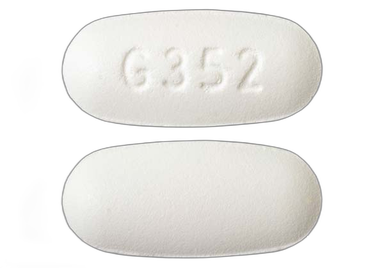
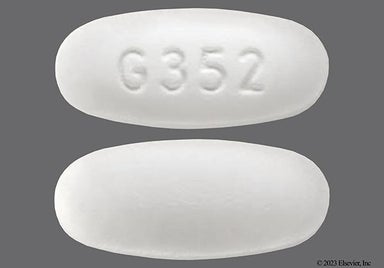
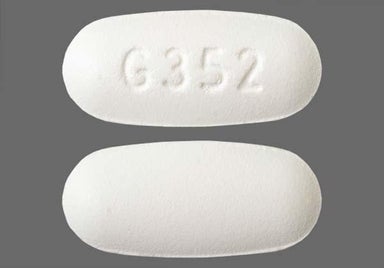
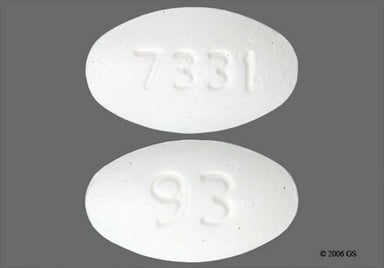
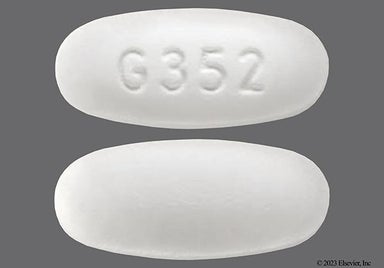
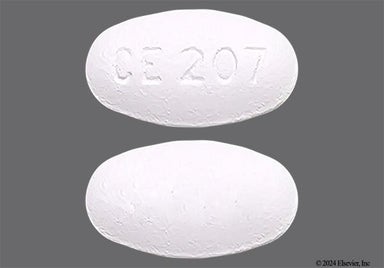
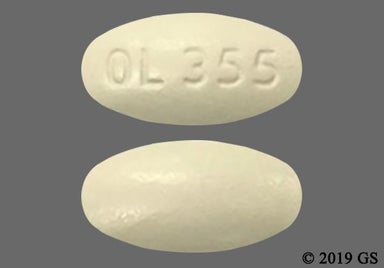
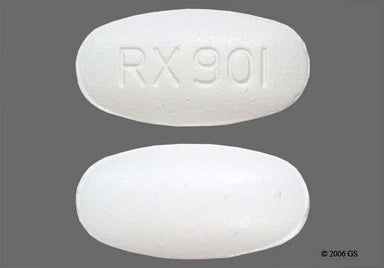
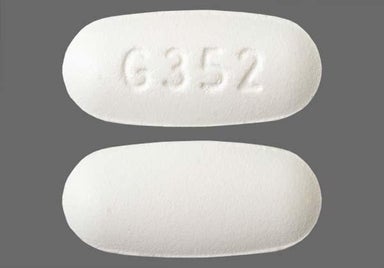
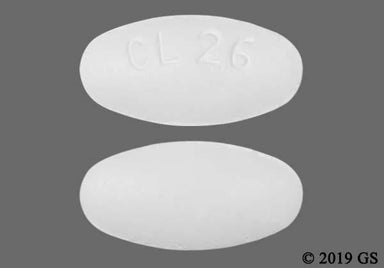
Fenofibrate (also known as fenofibric acid) is used as an add-on medication to diet to treat high triglycerides and high cholesterol. Common side effects include liver problems, breathing problems, and stomach pain. Fenofibrate includes a warning about avoiding statin medications because of the risk of muscle damage, and also because it doesn't add any extra benefit in reducing the risk of heart problems compared to taking a statin alone. Fenofibrate is available in many brand names (e.g., Antara, Tricor, Trilipix), generics, and dosage forms (e.g., micronized capsules, delayed-release capsules, tablets).

Fenofibrate is a fibrate. It works by breaking down lipids (fatty substances) in your blood, such as "bad" cholesterol (low-density lipoprotein or LDL) and triglycerides. This lowers the amount of lipids that can clog your arteries and helps blood flow more smoothly to different parts of your body.
Fenofibrate also helps make more "good" cholesterol (high-density lipoprotein or HDL) in your body. Having more HDL can lower your risk for heart problems or stroke.
| Common Brands | Fenoglide, Trilipix, Antara, Tricor, Lipofen |
|---|---|
| Drug Class | Fibrate |
| Controlled Substance Classification | Not a controlled medication |
| Generic Status | Lower-cost generic available |
| Availability | Prescription only |

The following side effects may get better over time as your body gets used to the medication. Let your healthcare provider know immediately if you continue to experience these symptoms or if they worsen over time.
Contact your healthcare provider immediately if you experience any of the following.
Along with its needed effects, a medicine may cause some unwanted effects. Although not all of these side effects may occur, if they do occur they may need medical attention.
Check with your doctor immediately if any of the following side effects occur:
Rare
Chronic indigestion
dark urine
muscle cramps, spasms, stiffness, swelling, or weakness
troubled breathing
unusual bleeding or bruising
unusual tiredness or weakness
yellow eyes or skin
Incidence not known
Agitation
bloody urine
decreased frequency or amount of urine
difficulty in moving
fast heartbeat
general tiredness and weakness
increased blood pressure
increased thirst
indigestion
joint pain or swelling
light-colored stools
loss of appetite
lower back or side pain
pains in the stomach, side, or abdomen, possibly radiating to the back
pale skin
swelling of the face, fingers, or lower legs
troubled breathing with exertion
upper right abdominal or stomach pain
Some side effects may occur that usually do not need medical attention. These side effects may go away during treatment as your body adjusts to the medicine. Also, your health care professional may be able to tell you about ways to prevent or reduce some of these side effects. Check with your health care professional if any of the following side effects continue or are bothersome or if you have any questions about them:
Incidence not known
Lack or loss of strength
Other side effects not listed may also occur in some patients. If you notice any other effects, check with your healthcare professional.
Call your doctor for medical advice about side effects. You may report side effects to the FDA at 1-800-FDA-1088.




Fenofibrate can cause some serious health issues. This risk may be even higher for certain groups. If this worries you, talk to your doctor or pharmacist about other options.
Fenofibrate can cause serious liver damage that can lead to liver failure and even death. Liver damage can happen anytime during treatment, but it might go away after you stop this medication. You'll need to get your blood drawn before starting fenofibrate and during treatment to make sure your liver is healthy. If there are concerning lab results or if you have symptoms of liver damage, you might need to stop using fenofibrate to prevent further liver damage. What's more, you can't use this medication if you already have liver problems. Get medical attention right away if you notice symptoms of liver problems, such as swelling of your stomach, stomach pain, nausea, vomiting, yellowing of your skin or the whites of your eyes, stool changes (black, tarry, or bloody stools), or confusion.
Fenofibrate can raise the risk of muscle damage. If muscle damage is severe, it can lead to muscle breakdown (rhabdomyolysis), which can negatively affect your other organs. Your risk is higher if you're taking other medications that can cause muscle damage, such as statins, or if you have certain medical conditions, such as diabetes. Before starting fenofibrate, ask your provider if you're taking any other medications that might put you at risk for muscle damage. Seek medical attention right away if you develop fever, sudden muscle pain, cramps, weakness, or dark red or brown-colored urine.
During clinical studies, some people taking fenofibrate have had higher levels of a protein in the blood called creatinine. This lab result suggests possible kidney damage, but keep in mind that it's unclear whether the medication actually harms the kidney or affects kidney function. To be safe, your provider might start you at a lower dose of fenofibrate and check your kidney function through blood tests. Your risk might be higher if you're 65 years and older, if you have diabetes, or if you have kidney problems. Let your provider know if you notice any changes in urination or dark-colored urine, as these can be signs of kidney problems.
Allergic reactions to fenofibrate are possible. These reactions can be life-threatening and can include mouth or facial swelling and anaphylaxis (closing of the throat). If you notice hives, swelling of your lips or tongue, or difficulty breathing after using fenofibrate, stop using it and seek medical attention right away.
Although rare, it's also possible for people who take fenofibrate to have severe and potentially fatal skin reactions. These reactions include Stevens-Johnson syndrome (SJS), toxic epidermal necrolysis (TEN), and drug reaction with eosinophilia and systemic symptoms (DRESS)). The reactions can occur days to weeks after starting fenofibrate. Seek medical attention right away if you develop a fever, blistering rash, or swollen lymph nodes.
Fenofibrate can raise your risk of gallstones. For this reason, you can't use fenofibrate if you have gallbladder problems. Let your provider know right away if you experience stomach pain, back pain, nausea, or vomiting so you can be tested for gallstones.
Rarely, some people taking fenofibrate have developed inflammation in the pancreas (called pancreatitis). It's possible that this pancreas problem is due to having high triglyceride levels despite taking fenofibrate, the medication itself, or some other cause. Your provider can measure blood levels of certain proteins made by your pancreas and do imaging of your pancreas to check for this problem. Contact your provider if you develop sudden stomach pain, nausea, vomiting, or fluid buildup in your stomach area. These can be signs of problems in the pancreas.
Fenofibrate might raise your risk for blood clots in your lung (pulmonary embolism, PE) or leg (deep vein thrombosis, DVT). If you have chest pain, difficulty breathing, swelling in your leg, or warm skin that's tender to the touch, get medical help right away.

Your dose depends on what condition you’re using fenofibrate for. It also depends on what formulation of fenofibrate you're using. Your dose might differ if you have kidney problems.
Capsules
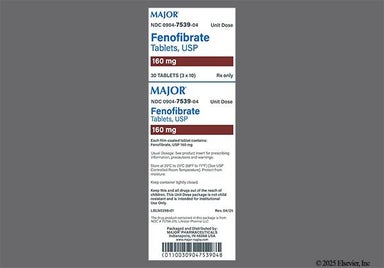
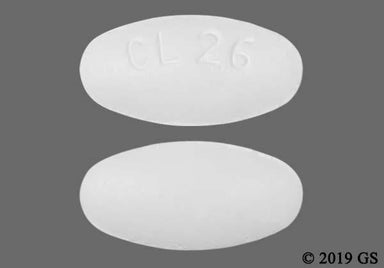
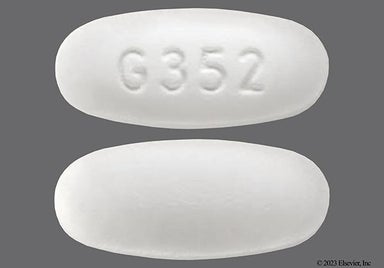
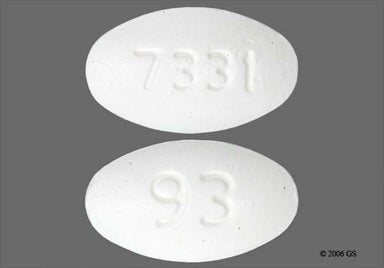
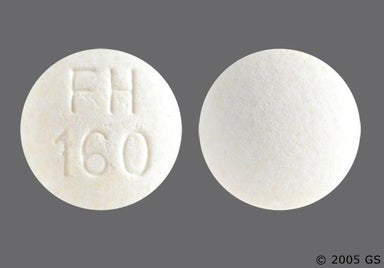
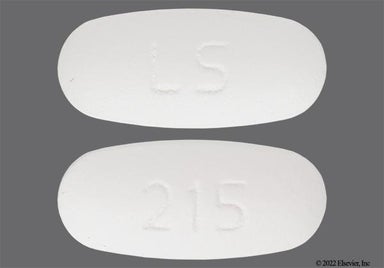
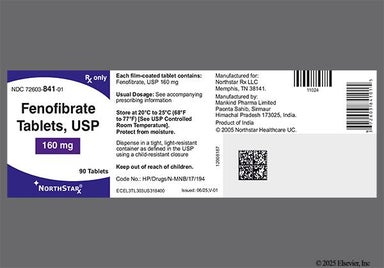
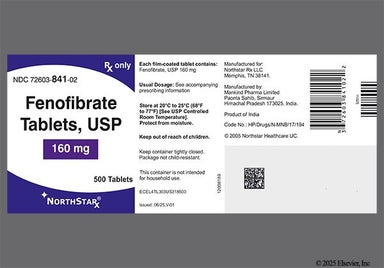
Tablets

Although certain medicines should not be used together at all, in other cases two different medicines may be used together even if an interaction might occur. In these cases, your doctor may want to change the dose, or other precautions may be necessary. When you are taking this medicine, it is especially important that your healthcare professional know if you are taking any of the medicines listed below. The following interactions have been selected on the basis of their potential significance and are not necessarily all-inclusive.
Using this medicine with any of the following medicines is not recommended. Your doctor may decide not to treat you with this medication or change some of the other medicines you take.
Using this medicine with any of the following medicines is usually not recommended, but may be required in some cases. If both medicines are prescribed together, your doctor may change the dose or how often you use one or both of the medicines.
Using this medicine with any of the following medicines may cause an increased risk of certain side effects, but using both drugs may be the best treatment for you. If both medicines are prescribed together, your doctor may change the dose or how often you use one or both of the medicines.


Contraindications are specific health conditions or situations in which a person should not take a medication due to safety concerns. If you have any of the following conditions or if any of the following apply to you, let your healthcare provider know because Fenofibrate will not be safe for you to take.










Prescription savings
Stop paying too much for your prescriptions. Compare prices, get pharmacy coupons, and save up to 80%. Find expert answers to your health questions so you can make the best decisions for yourself and your family.
Health conditions
Medications & treatment
Access & affordability
Medication discounts


No, Fenofibrate is a fibrate, not a statin. Fibrates and statins are two completely different classes of medications. While both lower "bad" cholesterol (LDL) and raise "good" cholesterol (HDL), they do so in different ways. In addition, Fenofibrate can also lower triglyceride (fat) levels. In fact, this is the main benefit of using Fenofibrate; it doesn't help as much to lower LDL as statins do.
No, you can take Fenofibrate at any time of the day because it lasts all day. It's best to take it at the same time every day so the amount of medication stays consistent in your body.
No, weight gain wasn't a reported side effect of Fenofibrate during clinical studies. If you notice any unusual changes in weight while you're taking this medication, speak with your provider so they can help figure out what's going on.
No, Fenofibrate isn't a blood thinner. But Fenofibrate might raise your risk of bleeding if you're also taking a blood thinner called warfarin (Coumadin). This is because Fenofibrate can enhance the effects of warfarin (Coumadin). You can still safely take both medications, but you might need to have your warfarin (Coumadin) dose adjusted and your INR checked more frequently when starting Fenofibrate.
Yes, you can take Fenofibrate and atorvastatin (Lipitor) (or other statin) together. In fact, treatment guidelines say people with high triglyceride levels can take both Fenofibrate and a statin. Combination therapy is typically used only if necessary because taking both medications will raise your risk for severe side effects (e.g., muscle breakdown, liver problems). If you need to take Fenofibrate and a statin together, your provider might follow up with you more often to make sure the combination of medications is safe for you.
It's best to limit or avoid drinking alcohol while taking Fenofibrate. This medication can harm the liver, and drinking alcohol can further raise your risk for liver problems. In addition, alcohol can raise your cholesterol and triglyceride levels (the opposite of what Fenofibrate is trying to do). Speak with your provider about your drinking habits while you're taking Fenofibrate.
In clinical studies, the most common side effect was having elevated liver enzymes in the blood. This happened in 7.5% of people taking Fenofibrate in the studies. Elevated liver enzymes can be a sign that your liver is damaged, which can lead liver disease if not properly treated. Your provider will order blood tests called liver function tests (LFTs) to track your liver health while you're taking Fenofibrate. If there are signs that the medication is damaging your liver, your provider might adjust your dose or have you stop taking Fenofibrate.
Talk with your provider if you have questions about using Fenofibrate if you're pregnant or breastfeeding. Fenofibrate isn't recommended during pregnancy because there's not enough information available to know whether it's safe for mothers and their unborn baby. In animal studies, high doses of Fenofibrate caused harm to babies. As for breastfeeding, Fenofibrate might pass in human breast milk and cause harm to breastfed babies based on findings from animal studies. Some forms of Fenofibrate can't be used during breastfeeding, and you'll need to wait 5 days after your last dose before you start breastfeeding. Discuss with your provider about a safe treatment plan for you.
