


10 Medications That May Raise Your Risk of Kidney Damage
Diuretics and nonsteroidal anti-inflammatory drugs, like ibuprofen, could harm your kidneys. Here are common medications that may cause kidney damage.
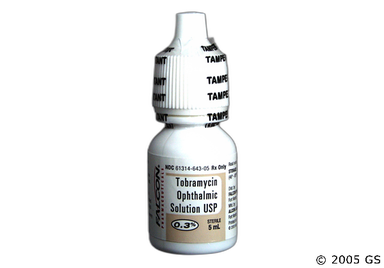
Tobramycin is an antibiotic that's used to treat several types of bacterial infections. It used to be known as the brand name Nebcin, but is now only available under the generic name tobramycin. This medication is usually given as an intravenous or IV injection into the veins in the hospital or at your provider's office. While side effects aren't common, tobramycin has serious potential risks, such as hearing loss and kidney problems. To lower your risk, your provider will closely monitor your dosage, hearing, and kidney health and measure the level of tobramycin in your blood.

Tobramycin is an aminoglycoside antibiotic. It works by preventing bacteria from making certain proteins. As a result, the bacteria can't survive and spread throughout your body.
| Common Brands | Nebcin |
|---|---|
| Drug Class | Aminoglycoside antibiotic |
| Controlled Substance Classification | Not a controlled medication |
| Generic Status | Lower-cost generic available |
| Availability | Prescription only |

The following side effects may get better over time as your body gets used to the medication. Let your healthcare provider know immediately if you continue to experience these symptoms or if they worsen over time.
Contact your healthcare provider immediately if you experience any of the following.
Along with its needed effects, a medicine may cause some unwanted effects. Although not all of these side effects may occur, if they do occur they may need medical attention.
Check with your doctor immediately if any of the following side effects occur:
Less common
Itching, redness, swelling, or other sign of eye or eyelid irritation not present before use of this medicine
Symptoms of overdose
Increased watering of the eyes
itching, redness, or swelling of the eyes or eyelids
painful irritation of the clear front part of the eye
Some side effects may occur that usually do not need medical attention. These side effects may go away during treatment as your body adjusts to the medicine. Also, your health care professional may be able to tell you about ways to prevent or reduce some of these side effects. Check with your health care professional if any of the following side effects continue or are bothersome or if you have any questions about them:
Less common
Burning or stinging of the eyes
Eye ointments usually cause your vision to blur for a few minutes after application.
Other side effects not listed may also occur in some patients. If you notice any other effects, check with your healthcare professional.
Call your doctor for medical advice about side effects. You may report side effects to the FDA at 1-800-FDA-1088.



Tips for using tobramycin at home (if instructed by your provider):

Tobramycin can cause some serious health issues. This risk may be even higher for certain groups. If this worries you, talk to your doctor or pharmacist about other options.
 Tobramycin can cause nervous system problems, including dizziness, numbness, tingling, muscle twitching, and even seizures. Tobramycin can also cause ringing in the ears or permanent partial or total hearing loss, typically in both ears. Your risk is higher if you're also taking medications that can cause hearing loss, such as diuretics (e.g., furosemide (Lasix)). Depending on how long you need tobramycin treatment, your provider might test your hearing regularly throughout treatment. Seek medical help right away or contact your provider if you notice changes in your hearing, numbness, tingling, or muscle twitching. They can help you manage these effects.
Tobramycin can damage the kidneys. Sometimes, kidney damage can cause your body to not make urine as well. Your risk is higher if you're also taking other medications that can harm your kidneys. Your provider will check your kidney health through urine and blood tests while you're getting treated with tobramycin. They'll adjust the dose or stop the medication if it's hurting your kidneys. Contact your provider if you notice signs or symptoms of kidney problems, such as tiredness, dry and itchy skin, low appetite, urinating less than usual, foamy or bloody urine, muscle cramps.
It's possible for aminoglycoside antibiotics like tobramycin to cause harm to unborn babies, such as hearing loss. Because of this risk, make sure your provider is aware whether you're pregnant before starting tobramycin treatment if possible. Depending on your infection and your risk factors, your provider might consider using a different antibiotic from tobramycin.
Serious allergic reactions to tobramycin are possible, including life-threatening reactions like facial swelling, shock, and anaphylaxis (e.g., closing of the throat). It's also possible to have severe skin reactions to the medication. Additionally, some tobramycin products contain an ingredient called sulfite. Certain people might be sensitive to sulfite and have an allergic reaction to it. Depending on your reaction, your provider might switch you to another antibiotic. Call for help right away if you notice hives, peeling or blistering skin, difficulty breathing, a choking sensation, swelling around your eyes, swelling of the lips or tongue after using tobramycin.
Antibiotics, including tobramycin, raise your risk of getting infected with a bacteria called Clostridioides difficile (C. diff). This infection can cause diarrhea that can sometimes be life-threatening. Antibiotics change the amount of normal bacteria in your stomach and intestines. This can cause C. diff to overgrow in your gut and lead to an infection.
This type of infectious diarrhea is different than the diarrhea you might get as a possible side effect of tobramycin. C. diff-related diarrhea can cause rapid heart rate, fever, nausea, foul-smelling diarrhea, bloody stools, or frequent bowel movements (even up to 15 times per day). This is a medical emergency, so get medical attention right away if you experience any of these symptoms. You'll get tested for C. diff infection and receive treatment, if needed.
Your provider will monitor your treatment with tobramycin to make sure you're taking the antibiotic for the appropriate infection and amount of time. Using tobramycin for any shorter or longer periods of time or taking the antibiotic for other illnesses can raise your risk for developing infections caused by drug-resistant bacteria. This raises your risk for severe and life-threatening infections that might be difficult to treat.

Tobramycin is given as an infusion into the veins (intravenous or IV) or injection into the muscle (IM). It's given by a provider in a healthcare setting (e.g., hospital, office, nursing home).
This medication is given anywhere from every 6 hours to every 12 hours. Sometimes, providers give tobramycin every 24 hours.
Your dose and how often you need tobramycin injections depend on your age, your weight, what type of infection you have, how serious it is, whether you have kidney problems, and your tobramycin blood level. Your provider will find the right dose and treatment schedule for you.

Although certain medicines should not be used together at all, in other cases two different medicines may be used together even if an interaction might occur. In these cases, your doctor may want to change the dose, or other precautions may be necessary. When you are taking this medicine, it is especially important that your healthcare professional know if you are taking any of the medicines listed below. The following interactions have been selected on the basis of their potential significance and are not necessarily all-inclusive.
Using this medicine with any of the following medicines is not recommended. Your doctor may decide not to treat you with this medication or change some of the other medicines you take.
Using this medicine with any of the following medicines is usually not recommended, but may be required in some cases. If both medicines are prescribed together, your doctor may change the dose or how often you use one or both of the medicines.
Using this medicine with any of the following medicines may cause an increased risk of certain side effects, but using both drugs may be the best treatment for you. If both medicines are prescribed together, your doctor may change the dose or how often you use one or both of the medicines.


Contraindications are specific health conditions or situations in which a person should not take a medication due to safety concerns. If you have any of the following conditions or if any of the following apply to you, let your healthcare provider know because Tobramycin will not be safe for you to take.





Prescription savings
Stop paying too much for your prescriptions. Compare prices, get pharmacy coupons, and save up to 80%. Find expert answers to your health questions so you can make the best decisions for yourself and your family.
Health conditions
Medications & treatment
Access & affordability
Medication discounts

If you're allergic to penicillin, you can probably take Tobramycin safely. This is because the medications are two different types of antibiotics. Tobramycin is an aminoglycoside antibiotic, whereas penicillin is a beta-lactam antibiotic. They work differently in your body to treat similar infections. If you're allergic to one, it doesn't mean you'll be allergic to the other.
No, Tobramycin isn't a steroid. It's an antibiotic that's used to treat infections. Steroids don't work to fight against bacterial infections.
The typical length of treatment with Tobramycin is 7 to 10 days. But your provider will decide how long you need Tobramycin based on how bad your infection is and whether you're having side effects.
After a single dose of medication, it takes up to 15 hours for most of Tobramycin to leave the body for people with healthy kidneys. This time frame is based on an estimate of the medication's half-life, which is a measure of how long it takes the body to clear the medication from its system. The kidneys help the body get rid of the medication. So when the kidneys aren't working as well as they should (like in people with kidney problems), it can take longer for the body to remove the medication.
Studies reported that some children born to mothers who received aminoglycoside antibiotics similar to Tobramycin during pregnancy had hearing problems, including deafness. Because of this possible risk, Tobramycin should only be used during pregnancy if it's clearly needed. Make sure to tell your provider if you're pregnant before receiving Tobramycin.
Tobramycin treats many types of bacteria, such as Pseudomonas, E. coli (Escherichia coli), and Klebsiella pneumoniae. Tobramycin can be used as part of empiric therapy, which means it's used to fight against (cover) several bacteria when it's not known which specific bacteria is causing an infection. It can also sometimes help fight against certain resistant bacteria (bacteria that's difficult to fight off, even with the use of many antibiotics).
Possibly. Tobramycin is a medication that needs to be injected. So most of the time, you'll take your antibiotic treatment at a hospital or at your provider's office. However, there are some cases where you might be able to inject Tobramycin at home. If this is the case, your provider will teach you how to prepare and take your antibiotic treatment. Be sure you understand the instructions for administering Tobramycin completely. And if you have any questions, contact your provider or pharmacist.
