Key takeaways:
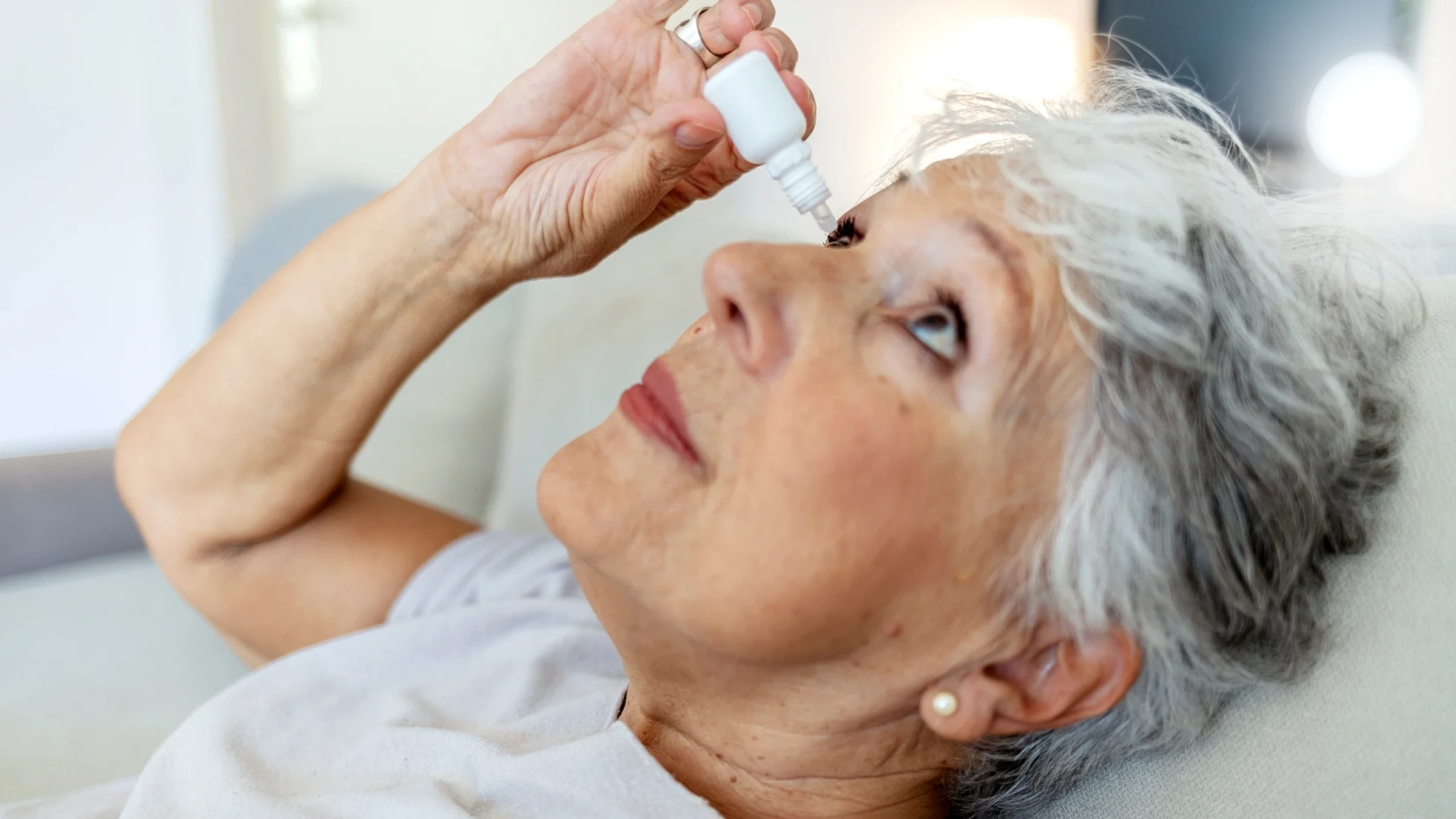
Timoptic in Ocudose (timolol) is an eye drop that helps lower pressure in the eye from different eye conditions. It comes in preservative-free, single-use ampules (vials).
Without insurance, 1 carton (60 doses) of Timoptic in Ocudose 0.25% costs an average of $4463.94. One carton of Timoptic in Ocudose 0.5% costs an average of $4463.94.
Most Medicaid plans cover Timoptic in Ocudose, though prior authorization is usually required. Coverage is more variable under commercial and Affordable Care Act marketplace plans. Most Medicare plans do not cover the medication.
GoodRx coupons and manufacturer copay savings cards can help lower the cost of Timoptic in Ocudose. There are also lower-cost generics available.
Save on related medications
Timoptic in Ocudose (timolol) is a prescription eye drop used to treat open-angle glaucoma and ocular hypertension (high pressure in the eye). It comes in preservative-free, single-use ampules (vials). Your prescriber may recommend it if you’re sensitive to the preservative found in multidose timolol bottles.
If you don’t have insurance, or if your plan doesn’t cover the brand-name product, it’s good to know how much Timoptic in Ocudose costs.
How much does Timoptic in Ocudose cost without insurance?
Without insurance or discounts, 1 carton (60 doses) of Timoptic in Ocudose 0.25% costs an average of $4463.94. One carton of Timoptic in Ocudose 0.5% costs an average of $4463.94. This quantity should last 1 month, since Timoptic in Ocudose is used twice a day. Some people may transition to a once-daily dosage, depending on how they respond to treatment.
Timoptic in Ocudose is also available as a lower-cost generic. The average price of the generic version is $4463.94 for 1 carton of the 0.25% strength and $4463.94 for the 0.5% strength.
What factors affect the cost of Timoptic in Ocudose?
Several factors can affect how much you pay for Timoptic in Ocudose, including:
Brand vs. generic: Generic timolol eye drops usually cost less than brand-name Timoptic in Ocudose.
Insurance coverage: If you have insurance, your out-of-pocket cost depends on your plan’s formulary (list of covered medications) and your deductible, copay, or coinsurance.
Pharmacy pricing: Prices can vary significantly among pharmacies, even in the same area.
Concentration and dosage: The 0.5% drops tend to cost more than the 0.25% drops. And how long 1 carton lasts can depend on whether you have a once- or twice-daily dosage.
Supply quantity: Your total cost may differ depending on whether you fill a 30-day or 90-day supply.
Discounts: If you’re eligible, a manufacturer copay savings card or GoodRx coupon could help you pay less for Timoptic in Ocudose.
Does insurance cover Timoptic in Ocudose?
Most Medicaid plans cover Timoptic in Ocudose. But in most cases, your prescriber will need to provide documentation to your plan to show that it’s medically necessary for you (called prior authorization). Step therapy (needing to try other medications first) isn’t common. About half of commercial plans cover the medication, as well as a little over 20% of Affordable Care Act (ACA) marketplace plans. Coverage through Medicare is more limited.
How different insurance plans cover Timoptic in Ocudose
The table below breaks down the percentage of enrollees who have coverage for Timoptic in Ocudose by insurance type. It also shows the likelihood of having prior authorization and step therapy requirements.
Insurance type | Enrollees covered for Timoptic in Ocudose 0.25% | Enrollees required to get prior authorization | Enrollees required to do step therapy |
|---|---|---|---|
22.2% | 14.7% | 0% | |
Commercial plans (excluding ACA plans) | 51% | 10.6% | 3.1% |
Medicare (Medicare Advantage and Part D plans) | 6.2% | 0% | 0% |
Medicaid, including state-run and managed care plans | 98.7% | 87% | 5.6% |
Source: Managed Markets Insight & Technology, LLC™, as of January 10, 2026 (See methodology below.)
If your insurance doesn’t cover Timoptic in Ocudose, try these options:
See if you’re eligible for the manufacturer copay savings card. If you have commercial insurance or you’re uninsured, you may be able to pay less through the manufacturer’s copay program.
Talk to your prescriber about alternatives. Timoptic in Ocudose is available as a lower-cost generic, which may be more affordable. If you don’t have issues with the preservative in them, generic multidose timolol eye drops may cost even less.
Request a formulary exception. Your prescriber can submit a letter of medical necessity that explains why Timoptic in Ocudose is the best option for you. You have the right to file an appeal if the request isn’t approved.
Compare plans during open enrollment. When reviewing your plan options, look for those with better coverage for Timoptic in Ocudose, with lower out-of-pocket costs.
Ways to save on Timoptic in Ocudose
Without insurance, Timoptic in Ocudose can cost hundreds of dollars per month. But there are strategies that may help lower your out-of-pocket cost. Here are four options to consider.
1. Use a GoodRx coupon
A free GoodRx coupon can help lower the cash price of both brand-name and generic Timoptic in Ocudose. Simply search for Timoptic in Ocudose on the GoodRx website or app, compare prices at nearby pharmacies, and present the coupon at the pharmacy. To make the process smoother, let the pharmacy know ahead of time that you’re using GoodRx.
Here’s how much you could pay at certain pharmacies with a free GoodRx coupon.
2. See if you qualify for a copay savings card
If you have commercial insurance or you’re uninsured, you may be eligible for the manufacturer’s copay program. With the program, you could pay as little as $25 at Walgreens and other participating pharmacies, or $35 at nonparticipating pharmacies. To be eligible, you must:
Have commercial insurance or be uninsured (people ages 65 and older must have commercial insurance)
Not have government-funded insurance, such as Medicare or Medicaid
Be at least 18 years old
Live in the U.S. or a U.S. territory
Not be a resident of or use the card in California or Massachusetts
You can activate the copay savings card online or by calling 1-877-494-4372.
3. Ask about 90-day supplies
If Timoptic in Ocudose is working well for you, talk to your prescriber and insurance plan about filling a 90-day supply instead of getting monthly fills. This may lower your cost per month and reduce the number of trips to the pharmacy. Sometimes, using your insurance plan’s mail-order pharmacy can also help reduce costs for 90-day supplies.
4. Tap into your HSA, FSA, or HRA
If you have a health savings account (HSA), flexible spending account (FSA), or health reimbursement arrangement (HRA), you can use those pretax funds to pay for eligible prescription expenses, including for Timoptic in Ocudose. Keep your receipts in case documentation is needed to verify eligible expenses.
With an FSA, you generally need to use the funds by the end of your plan year, or any remaining balance may be forfeited. HSA funds, on the other hand, carry over from year to year and remain yours indefinitely.
The bottom line
Timoptic in Ocudose (timolol) is an eye drop that helps lower eye pressure from certain eye conditions. Without insurance, 1 carton (60 doses) of Timoptic in Ocudose 0.25% costs an average of $4463.94. One carton of Timoptic in Ocudose 0.5% costs an average of $4463.94.
Most Medicaid plans cover Timoptic in Ocudose, though prior authorization is usually required. Coverage is more variable under commercial and Affordable Care Act marketplace plans and more restricted under Medicare plans.
GoodRx coupons and manufacturer copay savings cards can help lower the cost of your prescription. Lower-cost generics are also available.

Why trust our experts?



Methodology
We obtained national prescription coverage data for each medication from Managed Markets Insight & Technology (MMIT). The data reflects health insurance coverage as of January 10, 2026.
We calculated the percentage of enrollees in plans that cover each medication by dividing the number of enrollees covered for the medication within a specific insurance channel (e.g., ACA, Medicare, Medicaid) by the total number of enrollees in all plans within that channel.
We determined the percentage of enrollees in plans with a prior authorization requirement by calculating the proportion of enrollees in plans that required prior authorization for the medication within each channel.
Finally, we measured the percentage of enrollees in plans with a step therapy requirement by calculating the proportion of enrollees in plans that imposed step therapy requirements for the medication in each channel.
These estimates, derived from national MMIT coverage data, provide insight into health insurance coverage for each medication. They take into account restrictions such as prior authorization, step therapy, and quantity limits. The percentages are expressed relative to the total number of enrollees covered by various insurance channels, including ACA plans, commercial (excluding ACA) plans, Medicare, and Medicaid (both state-run and managed care plans).
References
Bausch + Lomb. (n.d.). Bausch + Lomb Copay Program: Activation site.
Bausch + Lomb. (n.d.). Bausch + Lomb Copay Program: Patient copay savings made easy.
Medicaid.gov. (n.d.). Managed care. U.S. Centers for Medicare & Medicaid Services.
Nordic Pharma. (2025). Timoptic in Ocudose- timolol maleate solution [package insert]. DailyMed.