tiagabine
Tiagabine (Gabitril) is an add-on treatment for people who have partial (focal) seizures that aren't well controlled with other medications. It can be used in adults and children 12 years or older.


What is Tiagabine (Gabitril)?
What is Tiagabine (Gabitril) used for?
- Partial-onset seizures - add-on treatment
How Tiagabine (Gabitril) works
Tiagabine (Gabitril) is an antiepileptic (anti-seizure) medication. It's not entirely clear how this medication works, but it raises levels of gamma-aminobutyric acid (GABA), a chemical in the brain that calms nerves and brain activity. Calming brain activity can help control seizures.
Drug facts
| Common Brands | Gabitril |
|---|---|
| Drug Class | Antiepileptic |
| Controlled Substance Classification | Not a controlled medication |
| Generic Status | Lower-cost generic available |
| Availability | Prescription only |

Side effects of Tiagabine (Gabitril)
The following side effects may get better over time as your body gets used to the medication. Let your healthcare provider know immediately if you continue to experience these symptoms or if they worsen over time.
Common Side Effects
- Dizziness (27%)
- Weakness or lack of energy (20%)
- Drowsiness (18%)
- Nausea (11%)
- Nervousness (10%)
Less Common Side Effects
- Pain in the stomach or other parts of the body
- Diarrhea
- Vomiting
- Bigger appetite
- Uncontrolled shaking (tremor)
- Difficulty concentrating or paying attention
- Difficulty with movement or coordination
- Difficulty walking
- Difficulty sleeping
- Speech or language problems
- Memory problems
- Confusion
- Tingling sensation
- Depression
- Mood swings
- Feeling unfriendly or agitated
- Eye twitching
- Common cold symptoms
- Rash
- Itching
Tiagabine (Gabitril) serious side effects
Contact your healthcare provider immediately if you experience any of the following.
- Thoughts of hurting yourself or of suicide
- More or worse seizures
- Serious rash
The following Tiagabine (Gabitril) side effects have also been reported
Along with its needed effects, a medicine may cause some unwanted effects. Although not all of these side effects may occur, if they do occur they may need medical attention.
Check with your doctor as soon as possible if any of the following side effects occur:
More common
Blue or purple spots on skin
difficulty in concentrating or paying attention
Less common
Burning, numbness, or tingling sensations
clumsiness or unsteadiness
confusion
mental depression
speech or language problems
Rare
Agitation
bloody or cloudy urine
burning, pain, or difficulty in urinating
frequent urge to urinate
generalized weakness
hostility
memory problems
quick to react or overreact emotionally
rash
uncontrolled back-and-forth and/or rolling eye movements
walking in unusual manner
Symptoms of overdose
Agitation (severe)
clumsiness or unsteadiness (severe)
coma
confusion (severe)
drowsiness (severe)
increase in seizures
mental depression
severe muscle twitching or jerking
sluggishness
speech problems (severe)
weakness
Some side effects may occur that usually do not need medical attention. These side effects may go away during treatment as your body adjusts to the medicine. Also, your health care professional may be able to tell you about ways to prevent or reduce some of these side effects. Check with your health care professional if any of the following side effects continue or are bothersome or if you have any questions about them:
More common
Chills
dizziness
drowsiness
headache
muscle aches or pain
nervousness
unusual tiredness or weakness
vomiting
Other side effects not listed may also occur in some patients. If you notice any other effects, check with your healthcare professional.
Call your doctor for medical advice about side effects. You may report side effects to the FDA at 1-800-FDA-1088.

Get your GoodRx coupon

Pros and cons of Tiagabine (Gabitril)
Pros
- A good option if other medications aren't working well enough for partial seizures
- Not a controlled substance, so it doesn't have strict regulations from the government
Cons
- Might need to take up to 2 to 4 times a day
- Only available as a tablet, so it might not be a good option for people who have trouble swallowing
- Not for children younger than 12 years of age

Pharmacist tips for Tiagabine (Gabitril)

- Take tiagabine (Gabitril) with food. This helps prevent the medication from absorbing too quickly and causing side effects. Food can also help prevent stomach upset from the medication.
- Don't stop taking tiagabine (Gabitril) without talking to your provider first. Stopping it too suddenly can cause seizures due to withdrawal effects.
- Make sure your provider knows all the medications you take, especially other antiepileptics (anti-seizure medications), since that will determine your starting dose of tiagabine (Gabitril). After starting tiagabine (Gabitril), let your provider know any time you change your other medications, because this can affect the levels of tiagabine (Gabitril) in your body and the dose of tiagabine (Gabitril) you should take.
- If you notice a change in your mood, thoughts, or feelings, or if your child is behaving abnormally after taking tiagabine (Gabitril), let your provider know. If you have thoughts of hurting yourself, call 911 or get medical help right away.
- Tiagabine (Gabitril) can cause dizziness, drowsiness, tiredness, or difficulty with movement and coordination. Be careful doing anything that requires concentration, such as riding a bike or operating machinery, until you know how this medication affects you. Let your provider know if these side effects don't go away or are too bothersome.
- Tiagabine (Gabitril) only comes in pill form. If you or your child is unable to swallow pills, ask your provider or pharmacist for other options.

Risks and warnings for Tiagabine (Gabitril)
Tiagabine (Gabitril) can cause some serious health issues. This risk may be even higher for certain groups. If this worries you, talk to your doctor or pharmacist about other options.
Only for people with seizure conditions
Take tiagabine (Gabitril) only if you're diagnosed with partial (focal) seizures and if other medications aren't working well enough. This medication can cause seizures in people who don't actually have a seizure condition like epilepsy.
Suicidal thoughts or behavior
Antiepileptic (anti-seizure) medications like tiagabine (Gabitril) can raise your risk of suicide or thoughts of suicide. Watch for any new or worsening depression and any unusual changes in mood, especially during the first few months of taking this medication or if your dose changes. Report anything concerning to your provider. If you have thoughts of hurting yourself, call 911 or seek medical attention immediately.
Withdrawal seizures
- Risk factors: Stopping tiagabine (Gabitril) suddenly
Don't stop taking tiagabine (Gabitril) without talking to your provider first. Antiepileptic (anti-seizure) medications like tiagabine (Gabitril) shouldn't be stopped too suddenly, since this can lead to seizures due to medication withdrawal. If it's necessary to stop taking it, your provider will instruct you on how to lower your dose slowly.
Uncontrolled seizure attacks
- Risk factors: History of status epilepticus
Rarely, people who were taking tiagabine (Gabitril) experienced uncontrolled seizure attacks (status epilepticus), which requires hospitalization and can cause long-term brain damage. It's not entirely clear if these events were due to tiagabine (Gabitril) specifically. If you've had status epilepticus before, talk to your provider before starting this medication.
Trouble with concentration, communication, and energy levels
- Risk factors: When the dose of tiagabine (Gabitril) is raised
Tiagabine (Gabitril) can affect brain function and make it difficult to concentrate, think, or communicate. It can also cause drowsiness and tiredness. These side effects are usually not very severe, but let your provider know if they don't go away with time or are too bothersome. Lowering the dose of tiagabine (Gabitril) can sometimes help. Your provider might check an EEG (test of brain activity) to make sure that these problems aren't due to seizures.
Serious rash
Rarely, people have developed a serious rash after taking tiagabine (Gabitril). It's not exactly clear if they were due to tiagabine (Gabitril), especially since other antiepileptics can also cause serious rashes. These rashes caused by medications can be life-threatening. Talk to your provider immediately if you notice a rash that's affecting large parts of the body, if they cause blisters or ulcers, or if they affect your eyes, mouth, or genitals.

Tiagabine (Gabitril) dosage


Interactions between Tiagabine (Gabitril) and other drugs
Although certain medicines should not be used together at all, in other cases two different medicines may be used together even if an interaction might occur. In these cases, your doctor may want to change the dose, or other precautions may be necessary. When you are taking this medicine, it is especially important that your healthcare professional know if you are taking any of the medicines listed below. The following interactions have been selected on the basis of their potential significance and are not necessarily all-inclusive.
Using this medicine with any of the following medicines is usually not recommended, but may be required in some cases. If both medicines are prescribed together, your doctor may change the dose or how often you use one or both of the medicines.
- Calcifediol
- Orlistat
Using this medicine with any of the following medicines may cause an increased risk of certain side effects, but using both drugs may be the best treatment for you. If both medicines are prescribed together, your doctor may change the dose or how often you use one or both of the medicines.

How much does Tiagabine (Gabitril) cost?

What are alternatives to Tiagabine (Gabitril)?

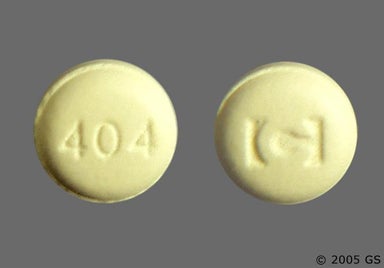
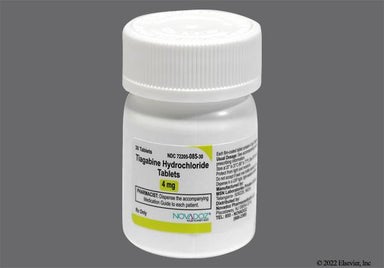
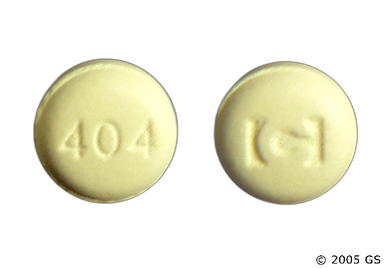
Tiagabine (Gabitril) images