Somatuline Depot
Lanreotide (Somatuline Depot) is used to treat certain hormone-related conditions, such as acromegaly and gastroenteropancreatic neuroendocrine tumors (GEP-NETs) Only the brand name Somatuline Depot is approved to lower symptoms of carcinoid syndrome. It's given as an injection under the skin by a healthcare professional, typically once per month. Some common side effects include diarrhea, muscle pain, and pain and irritation at the injection site.


What is Lanreotide (Somatuline Depot)?
What is Lanreotide (Somatuline Depot) used for?
- Acromegaly in people who either can't get surgery or radiation, or for whom surgery or radiation didn't work well
- Certain type of tumor in the gut (gastroenteropancreatic neuroendocrine tumors (GEP-NETs))
- Symptoms from certain types of tumor (carcinoid syndrome) - Somatuline Depot only
How Lanreotide (Somatuline Depot) works
Lanreotide (Somatuline Depot) is a somatostatin analog. This means it acts just like somatostatin, a hormone made by your body that blocks the release of many other hormones to treat conditions like acromegaly and certain cancers.
Drug facts
| Common Brands | Somatuline Depot |
|---|---|
| Drug Class | Somatostatin analog |
| Controlled Substance Classification | Not a controlled medication |
| Generic Status | No lower-cost generic available |
| Availability | Prescription only |

Side effects of Lanreotide (Somatuline Depot)
The following side effects may get better over time as your body gets used to the medication. Let your healthcare provider know immediately if you continue to experience these symptoms or if they worsen over time.
Common Side Effects
Common side effects reported from people taking lanreotide (Somatuline Depot) for acromegaly:
- Diarrhea (up to 73%)
- Gallstones (up to 27%)
- Stomach pain (up to 20%)
- Injection site reactions, such as pain, itching, nodule, skin hardening (up to 17%)
- Joint pain (up to 10%)
Common side effects reported from people taking lanreotide (Somatuline Depot) for GEP-NETs:
- Stomach pain (34%)
- Muscle pain (19%)
- Vomiting (19%)
- Headache (16%)
- Injection site reactions, such as pain, itching, redness, swelling, rash, bruising/bleeding (15%)
- High blood sugar (14%)
- High blood pressure (14%)
- Gallstones (14%)
Less Common Side Effects
Other side effects reported from people taking lanreotide (Somatuline Depot) for acromegaly:
- Nausea
- Passing gas
- Low heartbeat
- High blood pressure
- Anemia
- Constipation
- Vomiting
- Headache
Other side effects reported from people taking lanreotide (Somatuline Depot) for GEP-NETs:
- Dizziness
- Depression
- Difficulty breathing
Lanreotide (Somatuline Depot) serious side effects
Contact your healthcare provider immediately if you experience any of the following.
- Dangerously low blood sugar: feeling faint, shaking, sweating, dizziness, fast heartbeat, nervousness, anxious, confused, irritable, feeling very hungry
- Dangerously high blood sugar: frequently thirsty, needing to urinate often, tiredness, nausea, vomiting, difficulty breathing, having fruity breath, having dry mouth
- Low heartbeat: chest pain, dizziness, fatigue, feeling faint
- High blood pressure: severe headaches, nosebleed, fatigue, confusion, chest pain, difficulty breathing
- Swelling of the gallbladder or pancreas: sudden pain in upper right portion of your stomach area, back pain between your shoulder blades, nausea, vomiting, fever, swelling in the belly, fast heartbeat, difficulty breathing
The following Lanreotide (Somatuline Depot) side effects have also been reported
Along with its needed effects, a medicine may cause some unwanted effects. Although not all of these side effects may occur, if they do occur they may need medical attention.
Check with your doctor immediately if any of the following side effects occur:
More common
Blurred vision
chest pain or discomfort
dizziness
gaseous abdominal or stomach pain
headache
lightheadedness, dizziness, or fainting
nervousness
pale skin
pounding in the ears
recurrent fever
slow, fast, or irregular heartbeat
stomach fullness
troubled breathing with exertion
unusual bleeding or bruising
unusual tiredness or weakness
yellow eyes or skin
Incidence not known
chills
clay-colored stools
confusion
dark urine
difficulty swallowing
dizziness, faintness, or lightheadedness when getting up suddenly from a lying or sitting position
fat in the stool
indigestion
large, hive-like swelling on face, eyelids, lips, tongue, throat, hands, legs, feet, or genitals
loss of appetite
pains in the stomach, side, or abdomen, possibly radiating to the back
puffiness or swelling of the eyelids or around the eyes, face, lips, or tongue
severe nausea or vomiting
stomach pain or cramps
sudden loss of weight
sweating
tightness in the chest
unusual drowsiness, dullness, or feeling of sluggishness
vomiting
Some side effects may occur that usually do not need medical attention. These side effects may go away during treatment as your body adjusts to the medicine. Also, your health care professional may be able to tell you about ways to prevent or reduce some of these side effects. Check with your health care professional if any of the following side effects continue or are bothersome or if you have any questions about them:
Other side effects not listed may also occur in some patients. If you notice any other effects, check with your healthcare professional.
Call your doctor for medical advice about side effects. You may report side effects to the FDA at 1-800-FDA-1088.

Pros and cons of Lanreotide (Somatuline Depot)
Pros
- Good option for treating acromegaly, GEP-NETs, and carcinoid syndrome
- Given only once per month
- Available as a generic, which is less expensive
Cons
- Needs to be given by a healthcare professional
- Needs to be injected under the skin in the upper outer buttock area
- Only the brand name Somatuline Depot can help with symptoms of carcinoid syndrome
- Breastfeeding not recommended until 6 months after your last dose of lanreotide (Somatuline Depot) because of possible harm to breastfed babies

Pharmacist tips for Lanreotide (Somatuline Depot)

- Make sure to mark your calendar of when you're suppose to receive lanreotide (Somatuline Depot) injections, see your provider, and get your lab results drawn so you can be properly monitored to make sure lanreotide (Somatuline Depot) is safe and working well for you.
- Lanreotide (Somatuline Depot) interacts with many commonly used medications, such as certain heart rate, blood pressure, and blood sugar medications. Make sure to tell your provider and pharmacist about all the medications you're taking before starting lanreotide (Somatuline Depot). Don't start any new medications while taking lanreotide (Somatuline Depot) without talking to your provider or pharmacist first.
- Talk with your provider if you're thinking of becoming pregnant. Lanreotide (Somatuline Depot) might cause harm to unborn babies. In addition, lanreotide (Somatuline Depot) might make it more difficult for females to become pregnant. Your provider can talk with you about other medication options that might be safer to take during pregnancy.
- Lanreotide (Somatuline Depot) can cause dangerously low blood sugar. Always keep emergency glucose tablets or hard candy on you in case your blood sugar drops too low. If you experience symptoms of low blood sugar, such as feeling faint, shaking, and sweating, check and treat your blood sugar right away. If your symptoms don't improve, call 911.
- If you get symptoms of gallstones, such as sudden pain in the upper right portion of your stomach area, back pain between your shoulder blades, nausea, or vomiting, stop taking lanreotide (Somatuline Depot) and get medical help right away. This medication can raise your risk for gallstones. If gallstones aren't treated right away, you might need to get surgery later on if your condition becomes serious.

Risks and warnings for Lanreotide (Somatuline Depot)
Lanreotide (Somatuline Depot) can cause some serious health issues. This risk may be even higher for certain groups. If this worries you, talk to your doctor or pharmacist about other options.
Changes in blood sugar
- Risk factors: Blood sugar problems
Lanreotide (Somatuline Depot) can cause the hormones that control your blood sugar to not be in balance. This can result in low blood sugar or high blood sugar. Your provider might have you keep track of your blood sugar regularly, especially when you first start lanreotide (Somatuline Depot) and when there's a change in your dose. If you're already taking blood sugar medications, your doses might need to be changed. Make sure you're familiar with symptoms of too much blood sugar, such as feeling very thirsty, needing to urinate often, and feeling very tired. Also, make sure you can recognize signs of low blood sugar, such as feeling faint, shaking, sweating, and dizziness. It's important to treat low blood sugar right away and get medical help if your symptoms don't improve because not doing so might lead to death. If you have any symptoms of or questions about blood sugar problems, talk with your provider.
Low heartbeat and high blood pressure
- Risk factors: Heartbeat or blood pressure problems | Taking medications that affect your heartbeat or blood pressure
Lanreotide (Somatuline Depot) can lower your heartbeat and raise your blood pressure. Your risk for these problems is higher if you already have heart problems or are taking medications that can change your heartbeat or blood pressure, such as amiodarone (Pacerone) or beta-blockers. Make sure to tell your provider about all the medications you're taking and also check with them before you start any new medications. If you feel symptoms of heart problems, such as pounding chest, confusion, nosebleed, trouble breathing, feeling faint or lightheaded, or chest pain while taking lanreotide (Somatuline Depot), call 911 right away.
Gallstones
Lanreotide (Somatuline Depot) can raise your risk for gallstones (cholelithiasis) and related problems, such as inflammation (swelling) of your gallbladder, bile ducts, or pancreas. In very serious cases, your gallbladder might be need to be removed. Your provider might check your gallbladder with ultrasound regularly throughout your treatment with lanreotide (Somatuline Depot). If you get symptoms of gallstones, such as sudden pain in the upper right portion of your stomach area, back pain between your shoulder blades, nausea, or vomiting, stop taking lanreotide (Somatuline Depot) and get medical help right away.
Hypothyroidism (low thyroid hormone)
Although rare, there have been reports of lanreotide (Somatuline Depot) lowering the amount of thyroid hormone and causing hypothyroidism in some people. Because of this, your provider might order lab work to check your thyroid hormones regularly while you take this medication. If you get symptoms of hypothyroidism, such as tiredness, weight gain, and feeling cold, contact your provider right away.

Lanreotide (Somatuline Depot) dosage
 Kit
Kit| Dosage | Quantity | Price as low as | Price per unit |
|---|---|---|---|
| 0.5ml prefilled syringe of 120mg/0.5ml | 1 kit | $2,414.39 | $2,414.39 |

Interactions between Lanreotide (Somatuline Depot) and other drugs
Although certain medicines should not be used together at all, in other cases two different medicines may be used together even if an interaction might occur. In these cases, your doctor may want to change the dose, or other precautions may be necessary. When you are receiving this medicine, it is especially important that your healthcare professional know if you are taking any of the medicines listed below. The following interactions have been selected on the basis of their potential significance and are not necessarily all-inclusive.
Using this medicine with any of the following medicines is usually not recommended, but may be required in some cases. If both medicines are prescribed together, your doctor may change the dose or how often you use one or both of the medicines.
- Acarbose
- Albiglutide
- Alfentanil
- Alogliptin
- Canagliflozin
- Chlorpropamide
- Copper Cu 64 Dotatate
- Cyclosporine
- Dapagliflozin
- Dihydroergotamine
- Dofetilide
- Dulaglutide
- Empagliflozin
- Ergotamine
- Ertugliflozin
- Exenatide
- Fentanyl
- Flibanserin
- Gallium Ga 68 Dotatate
- Gallium Ga 68 Dotatoc
- Glimepiride
- Glipizide
- Glyburide
- Insulin
- Insulin Aspart, Recombinant
- Insulin Bovine
- Insulin Degludec
- Insulin Detemir
- Insulin Glargine, Recombinant
- Insulin Glulisine
- Insulin Lispro, Recombinant
- Linagliptin
- Liraglutide
- Lixisenatide
- Lutetium Lu 177 Dotatate
- Metformin
- Miglitol
- Nateglinide
- Oxycodone
- Pimavanserin
- Pimozide
- Pioglitazone
- Pramlintide
- Quinidine
- Repaglinide
- Rosiglitazone
- Saxagliptin
- Sirolimus
- Sitagliptin
- Tacrolimus
- Temsirolimus
- Tolazamide
- Tolbutamide
- Vildagliptin

How much does Lanreotide (Somatuline Depot) cost?
$2,414.39

What are alternatives to Lanreotide (Somatuline Depot)?
Pasireotide can be used in adults to treat these conditions if surgery isn't an option or haven't worked well:

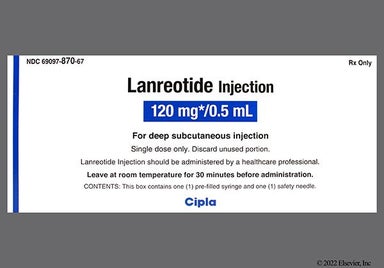
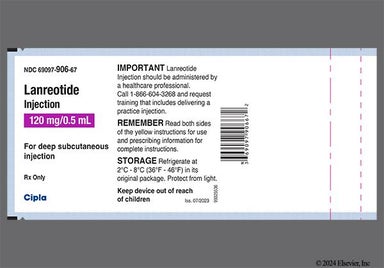
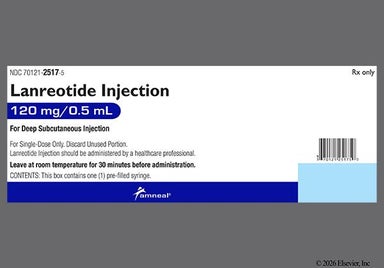
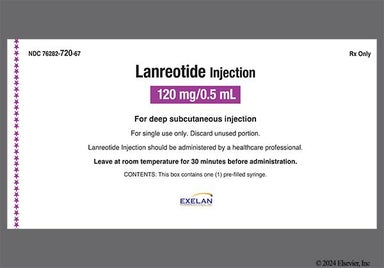
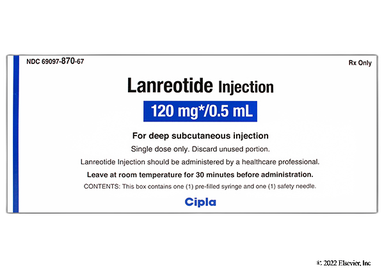
Lanreotide (Somatuline Depot) images