


Loop Diuretics List: Differences, Savings, and More
Loop diuretics can treat hypertension and other conditions. Here’s a list of 4 loop diuretics and their differences.
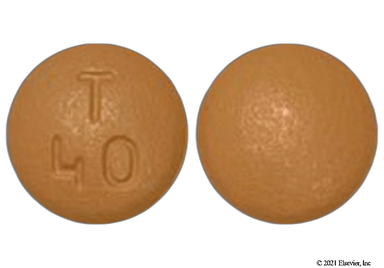
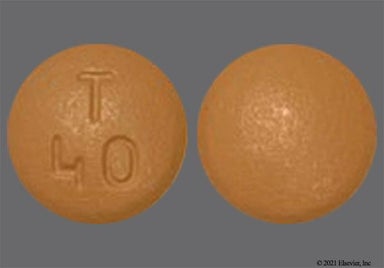
Soaanz (torsemide) helps relieve swelling from fluid buildup in the body due to heart failure or kidney problems. It's approved only for adults. This medication belongs to a drug class called diuretics (or water pills). You take the usual dosage by mouth once daily. Side effects can include urinating more often and dizziness.

Soaanz (torsemide) is a type of water pill called a loop diuretic. It works in the kidneys to get rid of extra water and electrolytes (like sodium and potassium) in the body. It makes you urinate them out. This helps reduce swelling in the body from fluid buildup.
| Common Brands | Soaanz |
|---|---|
| Drug Class | Diuretic (water pill) |
| Controlled Substance Classification | Not a controlled medication |
| Generic Status | No lower-cost generic available |
| Availability | Prescription only |

The following side effects may get better over time as your body gets used to the medication. Let your healthcare provider know immediately if you continue to experience these symptoms or if they worsen over time.
Contact your healthcare provider immediately if you experience any of the following.
Along with its needed effects, a medicine may cause some unwanted effects. Although not all of these side effects may occur, if they do occur they may need medical attention.
Check with your doctor immediately if any of the following side effects occur:
Less common
convulsions
decreased urination
increased thirst
irregular heartbeat
loss of appetite
mood changes
muscle pain or cramps
nausea or vomiting
numbness or tingling in the hands, feet, or lips
shortness of breath
swelling of the hands, ankles, feet, or lower legs
unusual tiredness or weakness
Rare
Black, tarry stools
dizziness, faintness, or lightheadedness when getting up from a suddenly sitting or lying position
ringing or buzzing in the ears or any hearing loss
skin rash
Get emergency help immediately if any of the following symptoms of overdose occur:
Symptoms of overdose
Blurred vision
coma
confusion
decreased urine output
dizziness
drowsiness
fainting
fast heartbeat
headache
increase in heart rate
irritability
lightheadedness
rapid breathing
sunken eyes
sweating
unusual tiredness or weakness
weak pulse
wrinkled skin
Some side effects may occur that usually do not need medical attention. These side effects may go away during treatment as your body adjusts to the medicine. Also, your health care professional may be able to tell you about ways to prevent or reduce some of these side effects. Check with your health care professional if any of the following side effects continue or are bothersome or if you have any questions about them:
More common
Increase in urination
Less common
Acid or sour stomach
belching
difficulty having a bowel movement (stool)
difficulty in moving
increased cough
indigestion
joint pain
lack or loss of strength
muscle pain or stiffness
nervousness
pain in the joints
stomach discomfort, upset, or pain
swollen joints
trouble sleeping
Other side effects not listed may also occur in some patients. If you notice any other effects, check with your healthcare professional.
Call your doctor for medical advice about side effects. You may report side effects to the FDA at 1-800-FDA-1088.




Soaanz (torsemide) can cause some serious health issues. This risk may be even higher for certain groups. If this worries you, talk to your doctor or pharmacist about other options.
Soaanz (torsemide) helps your body get rid of extra fluid. But sometimes, this can make your blood pressure drop too low or cause dehydration.
In rare cases, low blood pressure and dehydration can lead to kidney problems. The risk is higher if you have low sodium levels. It's also higher if you take certain medications, like nonsteroidal anti-inflammatory drugs (NSAIDs) or angiotensin-converting enzyme (ACE) inhibitors. Be sure to tell your prescriber about all the medications you take before starting Soaanz (torsemide).
Your prescriber will monitor your blood work regularly to check your kidney health. Let them know if you feel lightheaded or dizzy often while taking Soaanz (torsemide). They can change your dose if needed. Also tell them if you notice that you're urinating less than usual or if your urine looks darker. These can be signs of kidney problems.
Soaanz (torsemide) can cause changes to the electrolyte levels in your body. It can cause low sodium, potassium, magnesium, calcium, and chloride levels. Talk to your care team if you feel weak, tired, or dizzy. Also tell them if you have dry mouth, muscle pain or cramps, nausea, vomiting, or a fast heartbeat. These could be symptoms of an electrolyte imbalance.
Soaanz (torsemide) can also cause higher blood sugar levels and higher uric acid levels. Very rarely, high uric acid levels can lead to gout.
Because of these potential lab changes, your prescriber might order blood tests regularly. This helps them monitor your electrolyte and blood sugar levels.
Loop diuretics like Soaanz (torsemide) can sometimes cause ringing in the ears or hearing loss. This is almost always temporary and gets better after you stop the medication. It's rarely permanent. Your risk is higher if you take higher doses of Soaanz (torsemide) or have severe kidney problems.
Talk with your prescriber if you have questions about Soaanz (torsemide) and hearing problems. Let them know if you notice changes in your hearing while taking this medication.

 Tablet
| Dosage | Quantity | Price as low as | Price per unit |
|---|---|---|---|
| 40mg | 30 tablets | $103.56 | $3.45 |
The typical dose is 20 mg by mouth once daily. Your prescriber will adjust your dose based on how well the medication is working. The maximum dose is 200 mg by mouth once daily.

Although certain medicines should not be used together at all, in other cases two different medicines may be used together even if an interaction might occur. In these cases, your doctor may want to change the dose, or other precautions may be necessary. When you are taking this medicine, it is especially important that your healthcare professional know if you are taking any of the medicines listed below. The following interactions have been selected on the basis of their potential significance and are not necessarily all-inclusive.
Using this medicine with any of the following medicines is not recommended. Your doctor may decide not to treat you with this medication or change some of the other medicines you take.
Using this medicine with any of the following medicines is usually not recommended, but may be required in some cases. If both medicines are prescribed together, your doctor may change the dose or how often you use one or both of the medicines.
Using this medicine with any of the following medicines may cause an increased risk of certain side effects, but using both drugs may be the best treatment for you. If both medicines are prescribed together, your doctor may change the dose or how often you use one or both of the medicines.


Contraindications are specific health conditions or situations in which a person should not take a medication due to safety concerns. If you have any of the following conditions or if any of the following apply to you, let your healthcare provider know because Soaanz (torsemide) will not be safe for you to take.




Prescription savings
Stop paying too much for your prescriptions. Compare prices, get pharmacy coupons, and save up to 80%. Find expert answers to your health questions so you can make the best decisions for yourself and your family.
Health conditions
Medications & treatment
Access & affordability
Medication discounts


Soaanz can make you urinate more for up to 6 to 8 hours after you take it. Make sure there's a bathroom nearby so you can get to it fast if you need to.
In healthy people, it can take around 18 hours for Soaanz to fully leave your system. This is based on the medication's half-life. But since the liver and kidneys help the body get rid of the medication, it could take longer if you have liver or kidney problems. Ask your prescriber if you have questions about how long Soaanz might stay in your system.
Yes, Soaanz can lower your blood pressure. You might feel dizzy or lightheaded during the first few days of taking this medication because of the drop in blood pressure. This usually gets better as your body adjusts. Let your care team know if the dizziness bothers you or doesn't go away with time.
Yes, Soaanz is a type of diuretic, also called a water pill. More specifically, it belongs to a group of diuretics called loop diuretics. The medication works to get rid of extra water from the body.
Soaanz starts working within an hour to help your body get rid of extra fluid. But it might take longer to notice any swelling go down. Keep an eye on your swelling and see how it changes. Talk to your prescriber about how well Soaanz is working for you.
Soaanz doesn't directly hurt your kidneys. But it can put you at risk of kidney problems in certain situations. Soaanz can lower your blood pressure or cause dehydration. And these two things can sometimes cause kidney damage. To lower your risk, try not to take Soaanz with other medications that can harm the kidneys. Your prescriber might order blood tests to check your kidneys while you're taking Soaanz. Talk to your prescriber if you're worried about how this medication might affect your kidneys.
Soaanz and furosemide (Lasix) are both water pills. They help reduce swelling in the body from heart failure and kidney problems. Soaanz is a tablet that's taken once a day. But furosemide tablets are usually taken once or twice a day. Furosemide also comes as a liquid. Furosemide also has additional uses, like treating high blood pressure and swelling in the body from liver problems. Talk to your prescriber to compare the medications and see which is right for you.
Soaanz is a brand-name medication that contains the active ingredient torsemide. While there are generic torsemide tablets available, they're different from Soaanz. Soaanz and generic torsemide are available in different strengths. They're also made slightly differently. Another difference is what they're used for. Soaanz is only FDA approved to treat swelling from heart failure and kidney problems. But generic torsemide has more uses. It can help with swelling from heart failure, kidney problems, and liver problems. It can also treat high blood pressure. Talk to your prescriber about which is right for you.
