

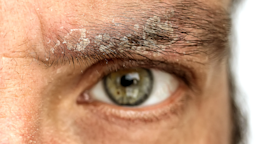
Why Do I Have Eyebrow Dandruff? Seborrheic Dermatitis Explained
Eyebrow dandruff (seborrheic dermatitis) can be itchy and irritating, but fortunately you can treat it with OTC remedies. Here’s how to get rid of dry, flaky eyebrows.
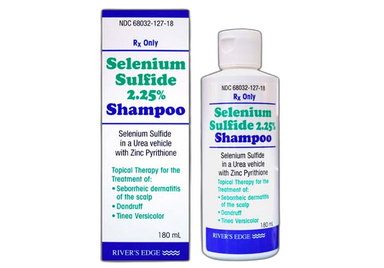
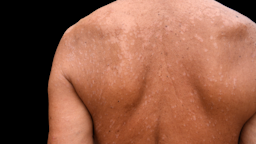
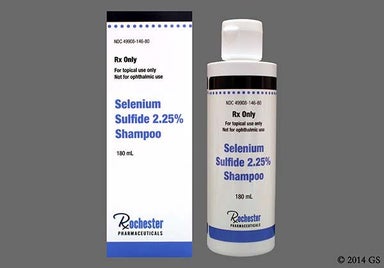
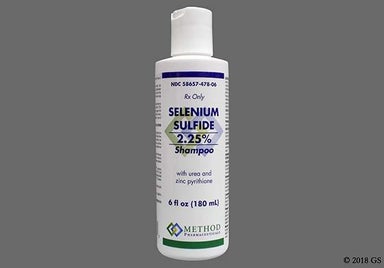
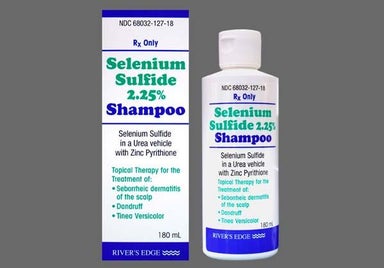
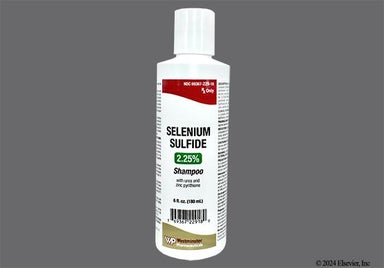
Prescription-strength selenium sulfide is a topical antiseborrheic. It's used to treat dandruff, tinea versicolor (a type of fungal infection), and seborrheic dermatitis of the scalp. It works by killing fungus that grows on the scalp and helping your body shed less dead skin cells. Prescription-strength selenium sulfide comes as shampoo (selenium sulfide 2.3% and 2.25%) lotion (selenium sulfide 2.5%). Side effects can include skin irritation, change of hair color, and greasy or dry hair and scalp.
Note: Selenium sulfide is also available over-the-counter as selenium sulfide 1% shampoo.

Selenium sulfide works in two ways. It treats tinea versicolor by stops certain fungus from growing on and irritating the skin. In treats dandruff and seborrheic dermatitis of the scalp by slowing down the shedding of skin cells.
| Common Brands | SelRx |
|---|---|
| Drug Class | Antiseborrheic |
| Controlled Substance Classification | Not a controlled medication |
| Generic Status | Lower-cost generic available |
| Availability | Prescription or over-the-counter |

The following side effects may get better over time as your body gets used to the medication. Let your healthcare provider know immediately if you continue to experience these symptoms or if they worsen over time.
Along with its needed effects, a medicine may cause some unwanted effects. Although not all of these side effects may occur, if they do occur they may need medical attention.
Check with your doctor as soon as possible if any of the following side effects occur:
Less common or rare
Skin irritation
Some side effects may occur that usually do not need medical attention. These side effects may go away during treatment as your body adjusts to the medicine. Also, your health care professional may be able to tell you about ways to prevent or reduce some of these side effects. Check with your health care professional if any of the following side effects continue or are bothersome or if you have any questions about them:
More common
Unusual dryness or oiliness of hair or scalp
Less common
Increase in normal hair loss
Other side effects not listed may also occur in some patients. If you notice any other effects, check with your healthcare professional.
Call your doctor for medical advice about side effects. You may report side effects to the FDA at 1-800-FDA-1088.




Selenium sulfide can cause some serious health issues. This risk may be even higher for certain groups. If this worries you, talk to your doctor or pharmacist about other options.
Only use selenium sulfide on the skin or scalp. Don't let it come in contact with your eyes, mouth, nose, or genitals. You should also avoid applying it to broken skin or inflamed areas. Serious skin irritation can occur if applied to these areas. If an allergic reaction happens, you should stop using selenium sulfide and contact your prescriber.
Selenium sulfide hasn't been studied in pregnant females, and it isn't known whether it's safe for an unborn baby. Therefore, it's recommended you avoid using it during pregnancy. If you're pregnant or would like to become pregnant, speak with your healthcare team to discuss the safest option for you to treat your symptoms.

 Bottle of lotion
| Dosage | Quantity | Price as low as | Price per unit |
|---|---|---|---|
| 118ml of 2.5% | 1 bottle | $10.13 | $10.13 |

Although certain medicines should not be used together at all, in other cases two different medicines may be used together even if an interaction might occur. In these cases, your doctor may want to change the dose, or other precautions may be necessary. Tell your healthcare professional if you are taking any other prescription or nonprescription (over-the-counter [OTC]) medicine.



Prescription savings
Stop paying too much for your prescriptions. Compare prices, get pharmacy coupons, and save up to 80%. Find expert answers to your health questions so you can make the best decisions for yourself and your family.
Health conditions
Medications & treatment
Access & affordability
Medication discounts

Yes, Selenium Sulfide is considered an antifungal medication. It helps control the growth of a certain fungus that causes skin irritation and flaking.
People have reported a greater-than-normal amount of hair loss after using Selenium Sulfide. If you are concerned about how much hair you're losing, let your prescriber know.
Ask your dermatologist if you can apply Selenium Sulfide on your face. They might instruct you to do so if you have tinea versicolor, a condition that can affect the face. Just be careful not to get any medication in your eyes or it could cause irritation and burning. Follow your prescriber's instructions on where you should apply this medication.
If you're using prescription-strength Selenium Sulfide 2.3% or 2.25% shampoo to treat tinea versicolor, your dermatologist will instruct you to use it daily for 7 days. But if you're prescribed the shampoo for dandruff or seborrheic dermatitis of the scalp, then your dermatologist will typically ask you to use it twice a week for the first 2 weeks, then less often after that once your symptoms are under control. Ask your healthcare team if you're not sure how often or how long you should use this medication.
Selenium Sulfide can affect your hair. For example, it might cause some hair loss, or cause your hair to feel oily or dry. It can also alter the color of your hair, but you can prevent this from happening by rinsing your hair thoroughly after treatment. Have a conversation with your prescriber about ways to care for your hair during treatment with Selenium Sulfide.
Prescription-strength Selenium Sulfide contains a higher concentration of the medication than non-prescription (over-the-counter) selenium sulfide. For example, prescription Selenium Sulfide comes as 2.5% lotion, as well as 2.25% and 2.3% shampoo. But over-the-counter selenium sulfide comes as 1% shampoo. In addition, prescription-strength Selenium Sulfide can treat tinea versicolor, dandruff, and seborrheic dermatitis. But over-the-counter selenium sulfide only treats dandruff and seborrheic dermatitis. Directions for use are fairly similar to help control symptoms, but speak with your prescriber to make sure.
A temporary rash might appear after applying Selenium Sulfide if you have sensitive skin or if you're allergic to an ingredient in the product. If the rash is severe or doesn't go away, let your prescriber know. You might need to switch to a different treatment.
No, rinse Selenium Sulfide off the skin or scalp after a few minutes. You shouldn't leave this product on your skin or scalp overnight because it can cause your skin to get irritated.
