Adult RSV
Comprehensive information for you or a loved one — including treatment options and discounts on popular medications.

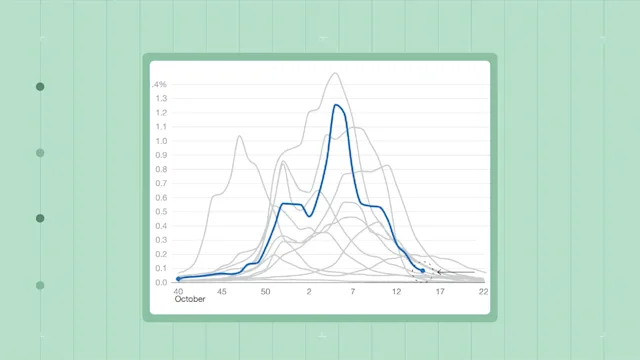
Respiratory syncytial virus (RSV) is a common cold virus that’s usually active during winter months. RSV causes upper respiratory tract infections, like the common cold.
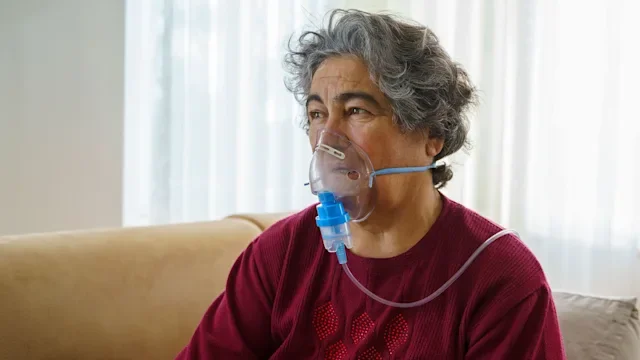
RSV can also cause more serious lower respiratory tract infections, like bronchiolitis and viral pneumonia. Some people are more likely to develop serious RSV illness, including:
Infants
Older adults
People with weakened immune systems or chronic heart or lung conditions
These people may become sick enough to need respiratory support and care in a hospital.
Nearly everyone has gotten RSV at least once by the time they’re 2 years old. It’s common to get RSV several times during your life, but usually the first illness is the worst. That’s why RSV affects young children so much. But as people get older, they once again become more vulnerable to serious RSV illness.


Search and compare options
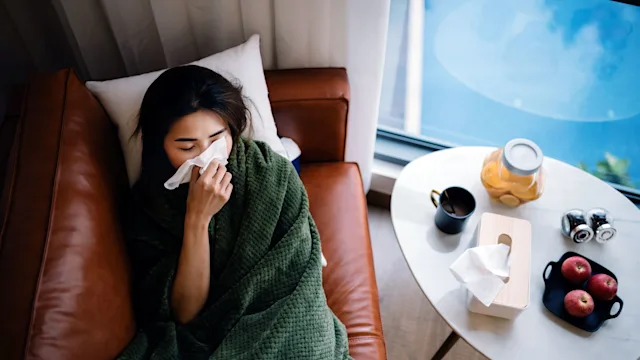
Some people who get sick with RSV don’t have any symptoms. But most people develop mild cold symptoms, like:
Runny nose and congestion
Cough
Postnasal drip
Sore throat
It’s possible to develop fever with an RSV infection, but this is more common in children than adults. Symptoms usually start 4 to 6 days after someone comes in contact with the RSV virus. Most people get sick gradually instead of all of a sudden.
People typically feel their worst on days 3 to 5 of their illness. In total, most people are sick for about 7 to 10 days. Some symptoms — like cough — can linger for several weeks, especially in young children.
People with more severe RSV illness can also develop:
Fever
Trouble breathing
Rapid breathing
Trouble eating and dehydration
RSV illness can worsen certain medical conditions, like asthma or COPD (chronic obstructive pulmonary disease). If you have one of these conditions, you may notice that your symptoms worsen or that your medication doesn’t help as much as it usually does.
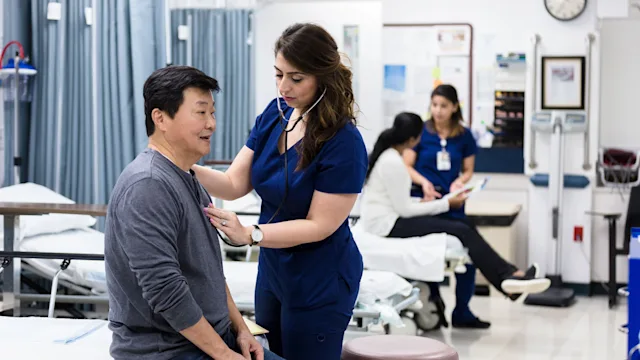
RSV can be diagnosed with two types of laboratory tests — antigen testing and real-time PCR (reverse transcriptase polymerase chain reaction) testing. A healthcare provider will rub a swab on the inside of your nose to collect a sample. The sample from the inside of your nose will show if you have RSV.
Rapid antigen testing can give you results in less than 1 hour. But this test is much more accurate in young children than adults or older children. That’s because young children tend to shed more virus.
PCR tests are equally accurate for people of all ages. Depending on how long it takes for your sample to get to the lab, it may take 1 to 2 days to get results.
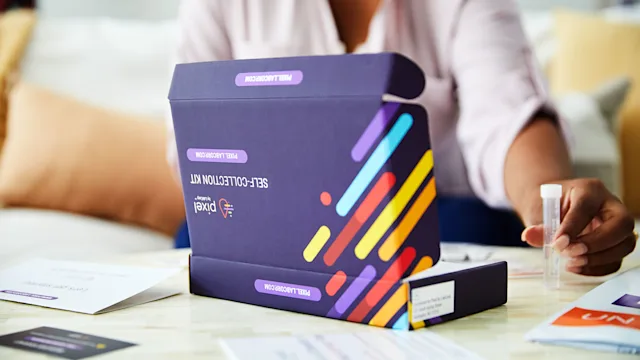
There’s an at-home test for RSV that doesn’t require a prescription. You collect your own nasal swab, but you need to bring the sample to a lab for testing. There aren’t any at-home tests that can give you rapid results.
Compare prices and information on the most popular RSV medications.
There’s no cure for RSV. Treatment focuses on relieving or minimizing RSV symptoms while the immune system fights off the virus. Most people can treat their symptoms at home using treatments that also help relieve the common cold.
These treatments include:
Over-the-counter cold medications to relieve cough and congestion
Acetaminophen (Tylenol) or ibuprofen (Advil, Motrin) to relieve fever and muscle ache
Cold or warm beverages and lozenges to relieve sore throat
Nasal saline sprays to clear out mucus and congestion
If you have asthma or COPD, your healthcare provider may recommend that you increase your inhaler medications or start additional treatments, like steroids.
Older adults are more likely to get dehydrated when they’re sick. To help loved ones stay hydrated, encourage them to drink small but frequent amounts of fluids.
RSV is an extremely contagious virus. A 2021 study estimated that it takes a week for RSV to infect everyone in a household.
The best way to prevent getting RSV is to stay away from people who are sick with cold symptoms. Other general hygiene measures can also keep you healthy, including:
Washing your hands often
Disinfecting commonly touched surface
Not sharing cups and utensils with others
And for more protection, consider wearing a face mask while on public transportation or in areas with large crowds.
Stay home if you’re sick with RSV or cold symptoms. If you go out, wear a mask. This helps limit the spread of RSV and protects people at risk for serious RSV illnesses.
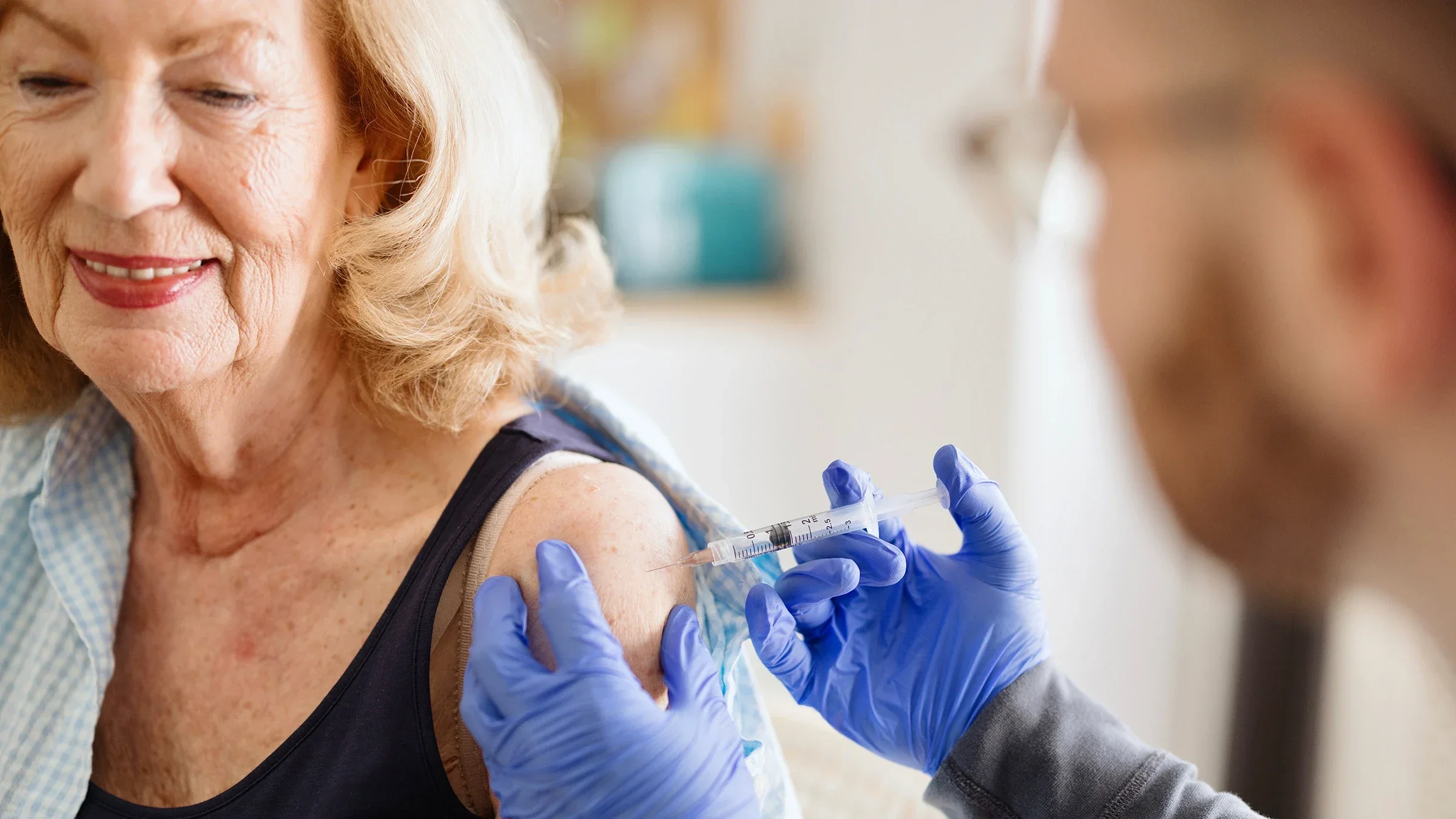
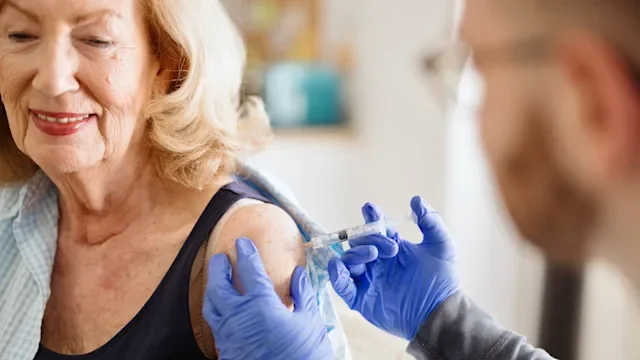
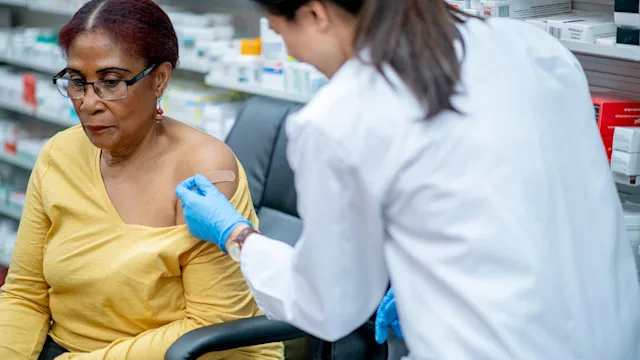
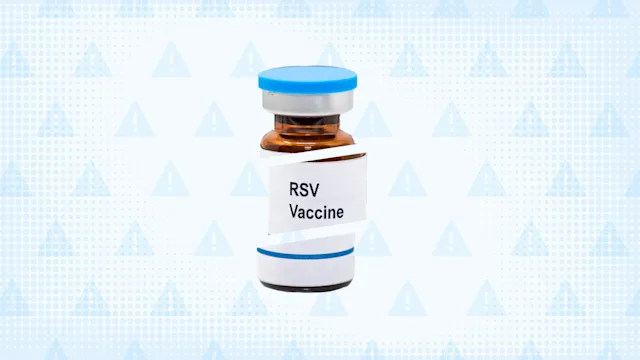
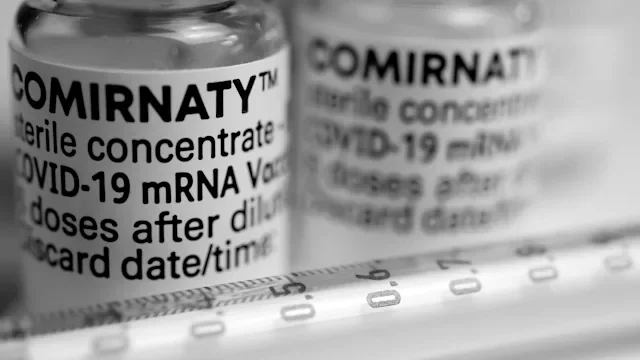
If you’re over 60 years old, you may be eligible for Arexvy or Abrysvo, which are RSV vaccines for adults. In clinical studies, Arexvy lowered people’s risk of developing severe RSV symptoms by 94%, and Abrysvo lowered the risk by up to 86%. Researchers are still looking at how long this protection lasts.
Abrysvo is also FDA approved for use during pregnancy. Getting the vaccine between 32 and 36 weeks of pregnancy can protect your newborn from developing RSV illness for up to 6 months. In a clinical study, Abrysvo lowered the risk of severe RSV symptoms in newborns by 82% within 90 days after birth.
Yes, it’s very common to get RSV more than once. RSV reinfection is when you get RSV a second or third (or fourth) time. Most people will get RSV many times throughout their life.
Yes, it’s very common to get RSV more than once. RSV reinfection is when you get RSV a second or third (or fourth) time. Most people will get RSV many times throughout their life.
People are contagious with RSV for about a week. Some people are only contagious for as little as 3 days, while others are contagious for several weeks. People are most contagious for the first 2 days of their illness, but they might not yet have any symptoms.
So even though people don’t feel sick, they can still pass the virus to others. This is part of the reason why RSV spreads so easily.
Adults can get RSV from children. Studies show that children who are in school are more likely to bring RSV into households and pass the virus to others. If you have a school-age child in your home or you work with children, you can very easily get sick with the virus during RSV season.
RSV illness is a cold. A cold is a term to describe an upper respiratory tract infection. RSV is a virus that causes upper respiratory tract infections, so it’s a common cold virus. You can’t know for sure if your cold is from RSV or another virus unless you get tested for RSV.
RSV symptoms usually go away after 7 to 10 days, and most people feel back to normal afterward. But some symptoms, especially cough, can linger for weeks. Younger children and infants can continue to cough for a month.
If you have a more serious RSV illness, it can take a few weeks or longer for you to feel back to normal. It’s important to do some activity, even if you don’t feel 100%. It can help to work with a physical therapist to make sure you safely get back into a routine.
Centers for Disease Control and Prevention. (2022). Symptoms and care.
Centers for Disease Control and Prevention. (2023). RSV surveillance and research.
Prescription savings
Stop paying too much for your prescriptions. Compare prices, get pharmacy coupons, and save up to 80%. Find expert answers to your health questions so you can make the best decisions for yourself and your family.
Health conditions
Medications & treatment
Access & affordability
Medication discounts