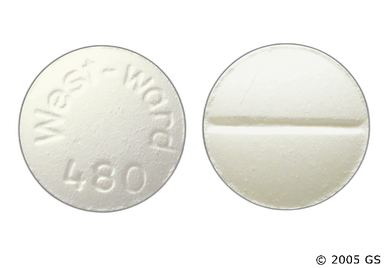
propylthiouracil
Propylthiouracil is used to treat an overactive thyroid (also known as hyperthyroidism). The medication is typically used if you can't tolerate methimazole or are preparing to undergo surgery. It can cause serious, life-threatening liver damage with symptoms that you need to look out for (e.g., itchiness and upper right abdominal pain). Other possible side effects include nausea, rash, joint pain, and loss of taste. Propylthiouracil is a first-choice treatment option during pregnancy, but shouldn't be used after the first trimester due to the risk of harm to mothers and unborn babies.


What is Propylthiouracil?
What is Propylthiouracil used for?
- High thyroid hormone levels (hyperthyroidism) in people:
- With Graves’ disease or other medical conditions who can’t take methimazole, receive thyroid surgery, or radioactive iodine treatment
- Who are preparing to undergo thyroid surgery or radioactive iodine treatment
How Propylthiouracil works
Propylthiouracil is an antithyroid medication. It works by stopping your thyroid gland from making thyroid hormones. By blocking your thyroid from making these hormones, propylthiouracil helps to bring your thyroid hormone levels down to a healthy level. This will help relieve your symptoms and give you more energy throughout the day.
Drug facts
| Common Brands | Propacil |
|---|---|
| Drug Class | Antithyroid |
| Controlled Substance Classification | Not a controlled medication |
| Generic Status | Lower-cost generic available |
| Availability | Prescription only |

Side effects of Propylthiouracil
The following side effects may get better over time as your body gets used to the medication. Let your healthcare provider know immediately if you continue to experience these symptoms or if they worsen over time.
Common Side Effects
- Nausea
- Vomiting
- Upper stomach pain or tenderness
- Joint pain
- Itching
- Tingling sensation
- Loss or change in taste
- Loss of hair
- Muscle pain
- Headache
- Nerve pain
- Swelling (edema)
- Dizziness
Less Common Side Effects
- Skin rash
- Skin discoloration
- Vertigo
- Yellowing of the whites of the eyes
Propylthiouracil serious side effects
Contact your healthcare provider immediately if you experience any of the following.
- Low white blood cells: fever, chills, cough, muscle aches
- Liver damage: nausea, stomach pain, clay-colored stools, yellow skin or whites of your eyes
- Bleeding: blood in stools, pink urine, unexplained or excessive bruising
- Severe skin reaction: blisters, peeling skin, red skin, rash
The following Propylthiouracil side effects have also been reported
Along with its needed effects, a medicine may cause some unwanted effects. Although not all of these side effects may occur, if they do occur they may need medical attention.
Check with your doctor immediately if any of the following side effects occur:
More common
Black, tarry stools
chills
painful or difficult urination
shortness of breath
sores, ulcers, or white spots on the lips or in the mouth
swollen glands
unusual bleeding or bruising
unusual tiredness or weakness
Less common
Dark-colored urine
general feeling of discomfort, illness, or weakness
headache
light-colored stools
nausea or vomiting
stomach pain, continuing
upper right abdominal or stomach pain
yellow eyes and skin
Incidence not known
Abdominal or stomach pain
agitation
bleeding gums
bleeding under the skin
blood in the urine or stools
bloody or cloudy urine
burning, crawling, itching, numbness, prickling, "pins and needles", or tingling feelings
coma
confusion
cough or hoarseness
cracks in the skin
decreased urine output
difficulty with breathing
difficulty with moving
dizziness
drowsiness
feeling of fullness
fever with or without chills
general feeling of discomfort, illness, or weakness
hostility
irritability
joint pain
lethargy
loss of appetite and weight
loss of heat from the body
lower back or side pain
muscle aching or cramping
muscle pain or stiffness
muscle twitching
numbness or tingling of the hands, feet, or face
pain in the ankles or knees
painful, red lumps under the skin, mostly on the legs
pinpoint red spots on the skin
rapid weight gain
red, swollen skin
redness, soreness, or itching skin
seizures
soreness of the muscles
sores on the skin
sores, ulcers, or white spots on the lips or in the mouth
sores, welting, or blisters
stupor
swelling of the face, ankles, hands, feet, or lower legs
swollen joints
swollen salivary glands
swollen, painful, or tender lymph glands in the neck, armpit, or groin
tightness in the chest
unusual weight gain
Get emergency help immediately if any of the following symptoms of overdose occur:
Some side effects may occur that usually do not need medical attention. These side effects may go away during treatment as your body adjusts to the medicine. Also, your health care professional may be able to tell you about ways to prevent or reduce some of these side effects. Check with your health care professional if any of the following side effects continue or are bothersome or if you have any questions about them:
Incidence not known
Abnormal loss of hair
change in taste or bad unusual or unpleasant (after) taste
dizziness or lightheadedness
feeling of constant movement of self or surroundings
hives or welts
loss of taste
pain or discomfort in the chest, upper stomach, or throat
sensation of spinning
skin rash
sleepiness
Other side effects not listed may also occur in some patients. If you notice any other effects, check with your healthcare professional.
Call your doctor for medical advice about side effects. You may report side effects to the FDA at 1-800-FDA-1088.

Get your GoodRx coupon

Pros and cons of Propylthiouracil
Pros
- Can be used during the first three months of pregnancy
- First-choice medication for treating thyroid storm (life-threatening thyroid problem)
- Available as a lower-cost generic
Cons
- Must be taken three times a day
- More serious side effects than methimazole, like potential liver damage
- Can raise your chance of infections

Pharmacist tips for Propylthiouracil

- Propylthiouracil can cause you to feel dizzy and sleepy. Don't drive, use heavy machinery, or do other tasks that require you to be alert until you know how this medication affects you.
- While taking propylthiouracil, you'll need lab work done regularly until your thyroid hormone levels are normal. Make sure to keep your follow-up appointments so your healthcare provider can make sure you're on the correct dose.
- Propylthiouracil works best when taken consistently every day with or without food. It might take a few months before your symptoms get better.
- Propylthiouracil can raise your chance of getting an infection. Tell your healthcare provider right away if you develop a sore throat or fever while taking this medication.
- Some people might have a higher risk of bleeding while taking propylthiouracil. If you experience any signs of bleeding, let your healthcare provider know. Signs of bleeding include bruising, dark stools, pink or red colored urine, or unusual bleeding from your nose or gums.
- If you become pregnant or want to become pregnant while you're taking propylthiouracil, talk to your healthcare provider before continuing to take it.
- If you miss a dose of propylthiouracil, take it as soon as you remember. If it's almost time for your next dose, skip the missed dose and continue with your normal dosing schedule. Don't double your dose because this could lead to side effects.
- Propylthiouracil can interact with certain medications (e.g., warfarin, metoprolol). Share a list of your medications with your healthcare provider so they can check for any interactions that might be unsafe.

Risks and warnings for Propylthiouracil
Propylthiouracil can cause some serious health issues. This risk may be even higher for certain groups. If this worries you, talk to your doctor or pharmacist about other options.
Liver damage
- Risk factors: History of liver problems
 Propylthiouracil can cause serious and life-threatening liver injury. Because of this risk, you’ll likely need to have regular blood work done while you are taking the medication to make sure your liver is healthy. Speak to your healthcare provider right away if you notice a loss of appetite, itchy skin, abdominal pain and swelling, skin and eyes that appear yellow, or bloody stools.
Harm to unborn babies
- Risk factors: Currently pregnant
Propylthiouracil should only be used when clearly needed during the first trimester (first 3 months) of pregnancy. This is because it can cause life-threatening liver damage in the mother. If you're pregnant or planning on becoming pregnant, ask your healthcare provider if propylthiouracil is right for you.
Weakened immune system
- Risk factors: Taking other medications that weaken your immune system | First 3 months of taking propylthiouracil
Rarely, propylthiouracil can lower your white blood cell counts. This can be life-threatening since your body won’t be able to fight off infections as easily. Your risk might be higher if you're taking medications that can weaken your immune system. If you get a fever or sore throat while taking propylthiouracil, tell your healthcare provider right away.
Low thyroid levels (hypothyroidism)
- Risk factors: Currently pregnant
In some cases, propylthiouracil can actually cause thyroid hormone levels to become too low, andresult in an underactive thyroid (hypothyroidism). While taking this medication, you’ll have regular blood tests to make sure your thyroid hormone levels stay within normal range. If you're pregnant, it's especially important that you're getting the correct dose because taking too much of propylthiouracil can even affect the growth of your unborn baby.
Blood vessel problems
- Risk factors: History of kidney problems
Rarely, propylthiouracil can cause inflammation in your blood vessels (vasculitis). This can affect different parts of your body, such as your kidneys, lungs, brain, and colon. Speak with your healthcare provider right away if you experience trouble urinating, have low back pain, abdominal swelling and pain, fevers, coughing up blood, or blood in your urine or stool.

Propylthiouracil dosage
 Tablet
| Dosage | Quantity | Price as low as | Price per unit |
|---|---|---|---|
| 50mg | 90 tablets | $26.76 | $0.30 |

Interactions between Propylthiouracil and other drugs
Although certain medicines should not be used together at all, in other cases two different medicines may be used together even if an interaction might occur. In these cases, your doctor may want to change the dose, or other precautions may be necessary. When you are taking this medicine, it is especially important that your healthcare professional know if you are taking any of the medicines listed below. The following interactions have been selected on the basis of their potential significance and are not necessarily all-inclusive.
Using this medicine with any of the following medicines is usually not recommended, but may be required in some cases. If both medicines are prescribed together, your doctor may change the dose or how often you use one or both of the medicines.
- Macimorelin
- Pexidartinib
Using this medicine with any of the following medicines may cause an increased risk of certain side effects, but using both drugs may be the best treatment for you. If both medicines are prescribed together, your doctor may change the dose or how often you use one or both of the medicines.
- Acenocoumarol
- Anisindione
- Dicumarol
- Phenindione
- Phenprocoumon
- Warfarin

How much does Propylthiouracil cost?
$26.76

What are alternatives to Propylthiouracil?

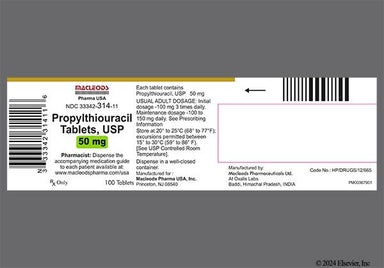
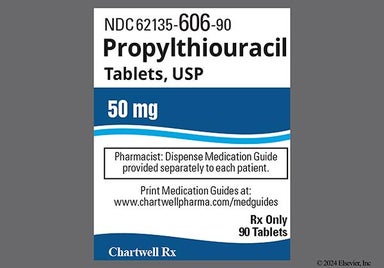
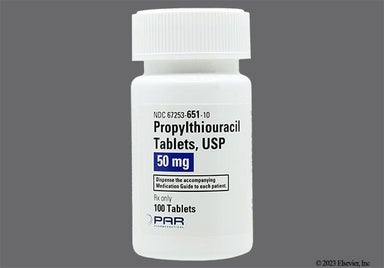
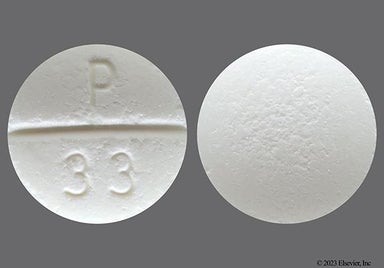
Propylthiouracil images