Key takeaways:
The average retail cost of Prolensa (bromfenac) without insurance is about $440.06 per bottle. It’s prescribed for cataract surgery, and most people need the medication for only about 2 weeks at a time.
Many Medicaid and commercial insurance plans offer coverage for Prolensa, but they may require prior authorization or step therapy. Coverage is typically more limited with Medicare and Affordable Care Act marketplace plans.
If you have commercial insurance, you may be able to pay as little as $25 per bottle for brand-name Prolensa. And anyone, regardless of insurance status, can use GoodRx to access the medication at an exclusive cash price as low as $80.
Save on related medications
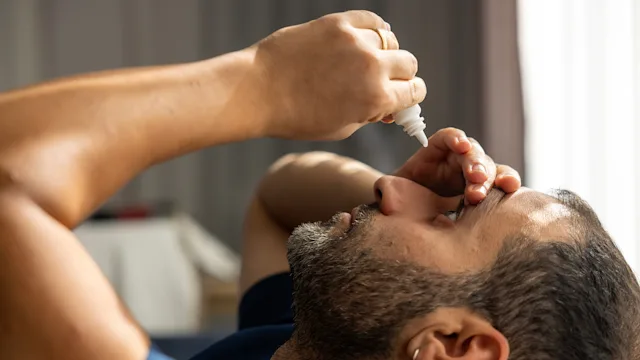
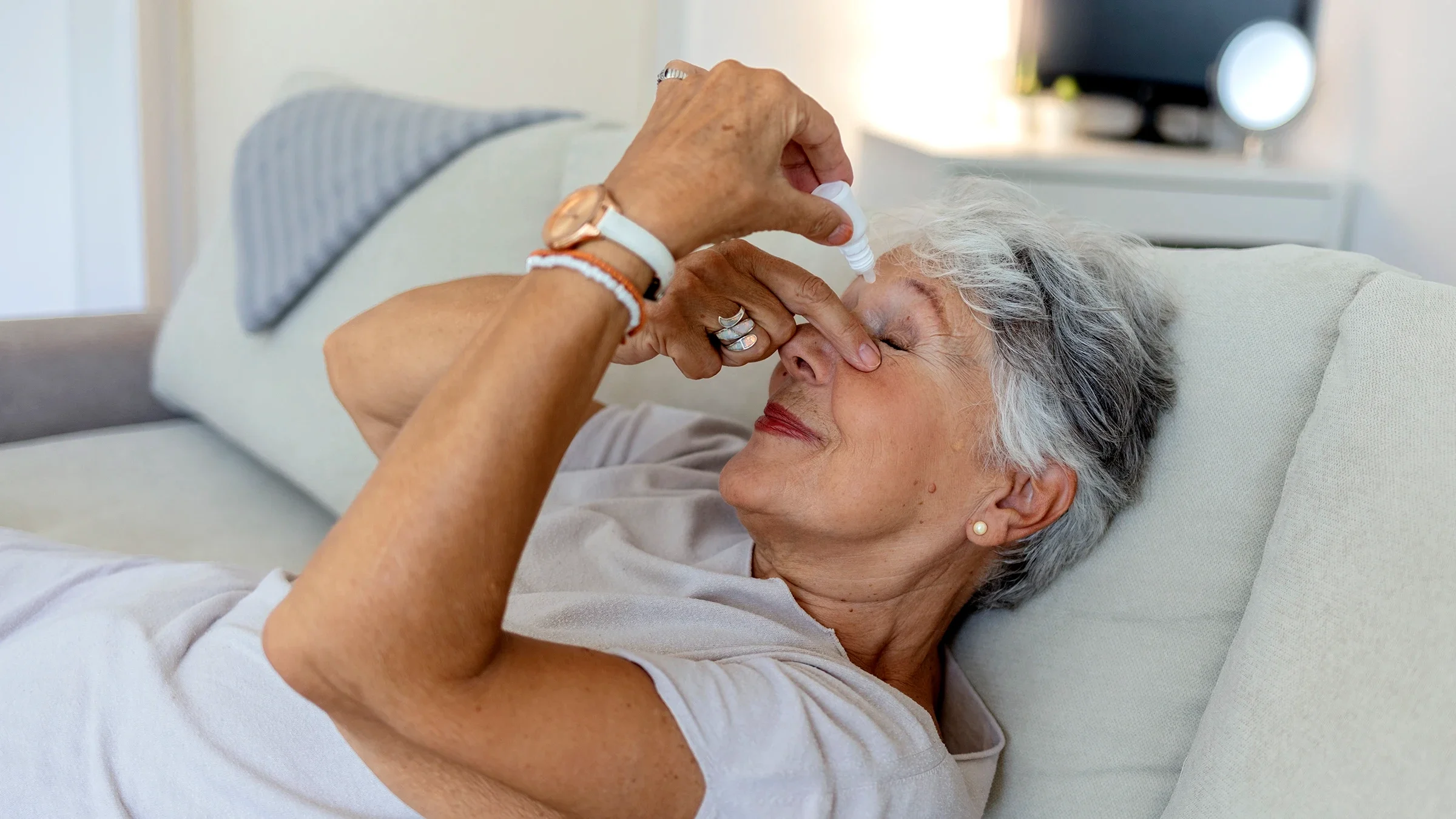
If you’re preparing for cataract surgery, an eye specialist may prescribe Prolensa (bromfenac) to help reduce pain and inflammation afterward. This once-daily eye drop is commonly used during recovery and can support healing in the days after your procedure.
But before you start treatment, it’s worth knowing what to expect at the pharmacy counter. As with many medications, the price of Prolensa can vary depending on factors such as where you fill your prescription and whether you have insurance coverage.
If you’re paying out of pocket, you may notice that costs differ quite a bit from one pharmacy to another. The good news: There are ways to compare prices and find savings. Here’s a closer look at how much Prolensa costs without insurance — and what you can do to pay less.
How much does Prolensa cost?
Prolensa is a prescription eye drop that comes in a 3 mL bottle. It contains a topical nonsteroidal anti-inflammatory drug (NSAID) called bromfenac 0.07%. It helps reduce pain and inflammation in the eye.
The average retail cost of 1 bottle of Prolensa without insurance is $440.06. Most people use Prolensa for only about 2 weeks at a time, so 1 bottle is likely all you’ll need. You can apply your first dose the day before your surgery and continue using it for up to 14 days afterward.
You can also find this eye drop as a lower-cost generic. The average retail price for 1 bottle of generic bromfenac is $440.06.
Which factors affect the cost of Prolensa?
As with all products, medication prices can vary. Several factors affect the cost of Prolensa, such as:
Location: Prescription costs vary in different parts of the country. For example, people in New Orleans and New York typically pay more than people in Atlanta and Houston.
Pharmacy: Each pharmacy may charge a different amount for a medication (even those in the same neighborhood). Using GoodRx can help you compare costs before you fill your prescription.
Product selection: Your out-of-pocket costs may differ depending on if you fill brand-name Prolensa or generic bromfenac.
Fill quantity: How many bottles of Prolensa you fill at once also affects how much you’ll pay. But keep in mind that most people use Prolensa for only about 2 weeks at a time.
Insurance and discounts: Using insurance or applying discounts can help lower the cost of Prolensa.
Does insurance cover Prolensa?
Insurance coverage for brand-name Prolensa varies depending on the type of plan you have.
Nearly all Medicaid plans cover Prolensa. But over 85% of those plans require your eye specialist to submit a prior authorization before they’ll cover it. And about 40% of these plans require you to complete step therapy (trying another medication first).
More than half of commercial plans cover Prolensa. It’s not common for these plans to ask for a prior authorization or step therapy, but it can happen.
Medicare and Affordable Care Act (ACA) marketplace plans have more limited coverage of Prolensa. Roughly a quarter of these plans cover the medication, and some ACA plans do require prior authorization.
It’s a good idea to check your plan’s summary of benefits and coverage and formulary (list of covered medications). This can help you determine if your insurance plan covers Prolensa and how much it may cost. For more information, you can also call the member services number on your prescription insurance card.
How different insurance plans cover Prolensa
The table below details how likely it is that different insurance plans will cover Prolensa. It also shows the likelihood that different plans will require a prior authorization or the completion of step therapy.
Insurance type | Enrollees covered for brand-name Prolensa eye drops | Enrollees required to get prior authorization | Enrollees required to do step therapy |
|---|---|---|---|
25% | 16.7% | 6.6% | |
Commercial plans (excluding ACA plans) | 65% | 16.7% | 14.1% |
Medicare (Medicare Advantage and Part D plans) | 23.4% | 0% | 1% |
Medicaid, including state-run and managed care plans | 99.9% | 88.6% | 40.3% |
Source: Managed Markets Insight & Technology, LLC™, as of January 10, 2026 (See methodology below.)
If your insurance doesn’t cover Prolensa, consider these options:
Switch to the generic version of Prolensa.
Use GoodRx to help lower your prescription cost.
Request a formulary exception from your insurance company. If your request is denied, you have the right to appeal the decision to seek coverage.
Ask an eye specialist about alternatives. There are eye drops that your insurance may offer better coverage for. This includes BromSite, a different version of bromfenac.
During open enrollment, compare different health insurance plans to find one that provides better coverage for what you need.
Ways to save on Prolensa
Below are four ways to save on Prolensa, with or without insurance.
1. Use a GoodRx coupon
Anyone, regardless of insurance status, can use GoodRx to access brand-name Prolensa at an exclusive cash price as low as $80. This can be helpful if you don’t have insurance or your insurance doesn’t cover Prolensa. Prices may vary by pharmacy and the state you live in. What’s more, the generic may cost as little as $365.37.
To get a GoodRx discount for Prolensa:
Visit the GoodRx website or download the app.
Type “Prolensa” in the search box, and click or tap “Start saving.”
Choose your prescribed quantity.
Have your discount information sent to you via text or email, or print it. If you’re using the app, keep the discount ready on your phone’s screen, or save it to your digital wallet.
Alert the pharmacy staff that you’ll be using a GoodRx discount before they fill your prescription. This helps prevent reprocessing and checkout delays.
2. See if you qualify for a copay savings card
If you have commercial insurance, you may be able to pay as low as $25 per bottle using a manufacturer copay card (the Bausch + Lomb Copay Program).
To be eligible for the $25 offer with the Prolensa Savings Card, you need to:
Have a valid Prolensa prescription
Be 18 years or older
Live in the U.S. or one of its territories, except Massachusetts or California
Fill your medication at a participating Walgreens location or an independent retail pharmacy (other pharmacies may still accept the Prolensa Savings Card, but the lowest price would be $35)
Not have government-funded insurance, such as Medicare or Medicaid
If you don’t have insurance coverage for Prolensa, you may still be eligible for this offer. But the lowest price you’d pay is $79. This is also true if you have Medicare Part D and want to pay cash for your prescription.
You can download and activate the card online. For more information, call 1-877-494-4372.
3. Check if you’re eligible for a patient assistance program
If you don’t qualify for the copay savings card, you may still be able to receive Prolensa at no cost for up to 1 year through the manufacturer’s patient assistance program, called the Bausch + Lomb Patient Assistance Program.
To qualify, some initial eligibility criteria include:
Live in the U.S. or one of its territories
Have a valid Prolensa prescription from a U.S.-licensed prescriber
Meet the manufacturer’s income requirements
Be uninsured or underinsured
If you’re interested in this program, talk to an eye specialist. They can help you apply. You can also call Bausch + Lomb at 1-855-770-0424 with questions.
4. Tap into your HSA, FSA, or HRA
If you have a health savings account (HSA), a flexible spending account (FSA), or a health reimbursement arrangement (HRA), you can use these funds to pay for your Prolensa prescription. This can help you save money through tax savings.
Keep in mind that FSAs have an expiration date. So you’ll need to use your funds before that date. HSAs and HRAs typically roll over; you can save those funds to use later.
The bottom line
Prolensa (bromfenac) is a once-daily eye drop that’s commonly prescribed for cataract surgery. The average retail price of Prolensa without insurance is about $440.06. But what you’ll pay can vary depending on the pharmacy, your location, and whether you choose the brand-name or generic version.
Insurance coverage for Prolensa depends on your plan type. Many Medicaid and commercial plans cover it, but they may require prior authorization or step therapy first. Coverage is less common with Medicare and Affordable Care Act marketplace plans.
If you have commercial insurance, a manufacturer copay card may lower your cost to as little as $25 per bottle. And regardless of insurance status, you can use GoodRx to access Prolensa at an exclusive cash price as low as $80.

Why trust our experts?



Methodology
We obtained national prescription coverage data for each medication from Managed Markets Insight & Technology (MMIT). The data reflects health insurance coverage as of January 2026.
We calculated the percentage of enrollees in plans that cover each medication by dividing the number of enrollees covered for the medication within a specific insurance channel (e.g., ACA, Medicare, Medicaid) by the total number of enrollees in all plans within that channel.
We determined the percentage of enrollees in plans with a prior authorization requirement by calculating the proportion of enrollees in plans that required prior authorization for the medication within each channel.
Finally, we measured the percentage of enrollees in plans with a step therapy requirement by calculating the proportion of enrollees in plans that imposed step therapy requirements for the medication in each channel.
These estimates, derived from national MMIT coverage data, provide insight into health insurance coverage for each medication. They take into account restrictions such as prior authorization, step therapy, and quantity limits. The percentages are expressed relative to the total number of enrollees covered by various insurance channels, including ACA plans, commercial (excluding ACA) plans, Medicare, and Medicaid (both state-run and managed care plans).
References
Bausch + Lomb. (n.d.). Part D opt-out cash purchase program.
Bausch + Lomb. (2025). Prolensa- bromfenac sodium solution / drops [package insert]. DailyMed.
Bausch + Lomb Copay Program. (n.d.). Eligibility criteria/terms and conditions.
Bausch + Lomb Patient Assistance Program. (n.d.). About the Bausch + Lomb Patient Assistance Program.
Bausch + Lomb Patient Assistance Program. (n.d.). Eligibility requirements & terms and conditions.
Medicaid.gov (n.d.). Managed care. Centers for Medicare & Medicaid Services.