diazoxide
Diazoxide (Proglycem) treats low blood sugar, but you must be closely monitored by your healthcare provider and get frequent blood tests.


What is Diazoxide (Proglycem)?
What is Diazoxide (Proglycem) used for?
- Low blood sugar due to high levels of insulin
How Diazoxide (Proglycem) works
Diazoxide (Proglycem) is an anti-hypoglycemic medication. This means it works by preventing the release of insulin from the pancreas. Insulin normally lowers your blood sugar level.
Drug facts
| Common Brands | Proglycem |
|---|---|
| Drug Class | Anti-hypoglycemic |
| Controlled Substance Classification | Not a controlled medication |
| Generic Status | Lower-cost generic available |
| Availability | Prescription only |

Side effects of Diazoxide (Proglycem)
The following side effects may get better over time as your body gets used to the medication. Let your healthcare provider know immediately if you continue to experience these symptoms or if they worsen over time.
Common Side Effects
- Sodium and fluid retention (too much sodium and fluid stays in the body)
- Extra hair growth on forehead, back, arms and legs
- Headache
- Loss of appetite
Less Common Side Effects
- Insomnia (trouble falling asleep)
- Dizziness
Diazoxide (Proglycem) serious side effects
Contact your healthcare provider immediately if you experience any of the following.
- Allergic reaction
The following Diazoxide (Proglycem) side effects have also been reported
Along with its needed effects, a medicine may cause some unwanted effects. Although not all of these side effects may occur, if they do occur they may need medical attention.
Check with your doctor immediately if any of the following side effects occur:
Rare
Incidence not known
Abdominal or stomach pain
black, tarry stools
blood in the urine
bloody nose
blurred vision
confusion
dizziness
dizziness, faintness, or lightheadedness when getting up suddenly from a lying or sitting position
extreme thirst
fast, irregular, pounding, or racing heartbeat or pulse
flushed, dry skin
fruit-like breath odor
heavier menstrual periods
increased hunger
increased thirst
increased urination
loss of consciousness
pinpoint red spots on the skin
seizures
skin rash
stomachache
sweating
troubled breathing
unexplained weight loss
unusual bleeding or bruising
unusual tiredness or weakness
urinating large amounts or urinating very little
vomiting
weakness
Some side effects may occur that usually do not need medical attention. These side effects may go away during treatment as your body adjusts to the medicine. Also, your health care professional may be able to tell you about ways to prevent or reduce some of these side effects. Check with your health care professional if any of the following side effects continue or are bothersome or if you have any questions about them:
More common
Increased hair growth, especially on the forehead, back, arms, and legs
Other side effects not listed may also occur in some patients. If you notice any other effects, check with your healthcare professional.
Call your doctor for medical advice about side effects. You may report side effects to the FDA at 1-800-FDA-1088.

Pros and cons of Diazoxide (Proglycem)
Pros
- Works well to treat low blood sugar caused by pancreas cancer, surgery, or other conditions
- Starts working within 1 hour and generally lasts no more than 8 hours
- Okay to use in infants, children, and adults
Cons
- Low blood pressure can occur if diazoxide (Proglycem) is taken with blood pressure-lowering medications
- Only available as an oral suspension or liquid
- Might cause more hair growth on the forehead, back, arms, and legs

Pharmacist tips for Diazoxide (Proglycem)

- Shake well before use to make sure it's mixed evenly.
- Measure suspension doses carefully. Use the measuring device that comes with diazoxide (Proglycem).
- Check your blood sugar as you have been told by your healthcare provider and be sure to complete any labs ordered by your healthcare provider.
- Store at room temperature in a dry place.

Risks and warnings for Diazoxide (Proglycem)
Diazoxide (Proglycem) can cause some serious health issues. This risk may be even higher for certain groups. If this worries you, talk to your doctor or pharmacist about other options.
Fluid retention (too much fluid in the body)
- Risk factors: Heart failure
Diazoxide (Proglycem) can cause fluid retention, which may become worse in people who have heart failure. Fluid retention can be treated by taking a medication called a diuretic, which will help remove the extra fluid by increasing urination. Talk to your healthcare provider about any concerns you have or to learn more about this side effect.
Danger from acid buildup (ketoacidosis)
Diazoxide (Proglycem) may cause a dangerous buildup of acid (ketones) in your body, known as ketoacidosis, especially in people who already have another illness. Stop taking diazoxide (Proglycem) and contact your healthcare provider right away if you have nausea, vomiting, abdominal pain, tiredness, or trouble breathing.
Lung problems
A very dangerous lung problem called pulmonary hypertension has happened in infants and newborns treated with diazoxide (Proglycem), usually with high doses. Once this drug was stopped, the lung problem got better or went away. Talk to your healthcare provider if you have any questions or concerns.

Diazoxide (Proglycem) dosage
 Bottle of oral suspension
| Dosage | Quantity | Price as low as | Price per unit |
|---|---|---|---|
| 30ml of 50mg/ml | 1 bottle | $89.20 | $89.20 |

Interactions between Diazoxide (Proglycem) and other drugs
Although certain medicines should not be used together at all, in other cases two different medicines may be used together even if an interaction might occur. In these cases, your doctor may want to change the dose, or other precautions may be necessary. When you are taking this medicine, it is especially important that your healthcare professional know if you are taking any of the medicines listed below. The following interactions have been selected on the basis of their potential significance and are not necessarily all-inclusive.
Using this medicine with any of the following medicines is usually not recommended, but may be required in some cases. If both medicines are prescribed together, your doctor may change the dose or how often you use one or both of the medicines.
- Aceclofenac
- Acemetacin
- Amphetamine
- Amtolmetin Guacil
- Arsenic Trioxide
- Aspirin
- Benzphetamine
- Bromfenac
- Bufexamac
- Celecoxib
- Choline Salicylate
- Clonixin
- Desmopressin
- Dexibuprofen
- Dexketoprofen
- Dextroamphetamine
- Diclofenac
- Diflunisal
- Dipyrone
- Dofetilide
- Droxicam
- Etodolac
- Etofenamate
- Etoricoxib
- Felbinac
- Fenoprofen
- Fepradinol
- Feprazone
- Floctafenine
- Flufenamic Acid
- Flurbiprofen
- Fosphenytoin
- Ibuprofen
- Indomethacin
- Ketoprofen
- Ketorolac
- Lisdexamfetamine
- Lithium
- Lornoxicam
- Loxoprofen
- Lumiracoxib
- Meclofenamate
- Mefenamic Acid
- Meloxicam
- Methamphetamine
- Morniflumate
- Nabumetone
- Naproxen
- Nepafenac
- Niflumic Acid
- Nimesulide
- Nimesulide Beta Cyclodextrin
- Oxaprozin
- Oxyphenbutazone
- Parecoxib
- Phenylbutazone
- Phenytoin
- Piketoprofen
- Piroxicam
- Proglumetacin
- Propyphenazone
- Proquazone
- Rofecoxib
- Salicylic Acid
- Salsalate
- Sodium Salicylate
- Sulindac
- Tenoxicam
- Tiaprofenic Acid
- Tolfenamic Acid
- Tolmetin
- Valdecoxib
Using this medicine with any of the following medicines may cause an increased risk of certain side effects, but using both drugs may be the best treatment for you. If both medicines are prescribed together, your doctor may change the dose or how often you use one or both of the medicines.
- Aminolevulinic Acid
- Trichlormethiazide

How much does Diazoxide (Proglycem) cost?

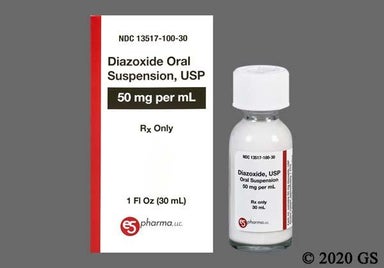
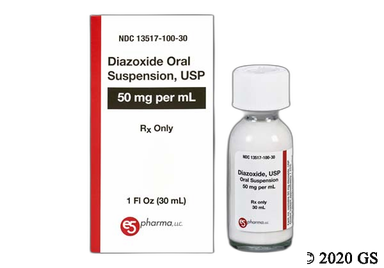
Diazoxide (Proglycem) images