


5 Acarbose Side Effects and How to Manage Them
Acarbose is a medication for Type 2 diabetes. It may cause diarrhea, abdominal pain, and gas in some people. Learn more about acarbose side effects at GoodRx.
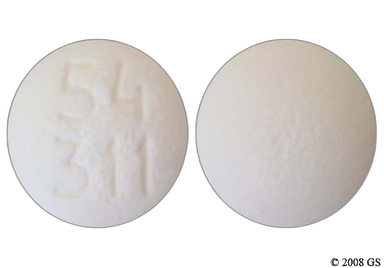
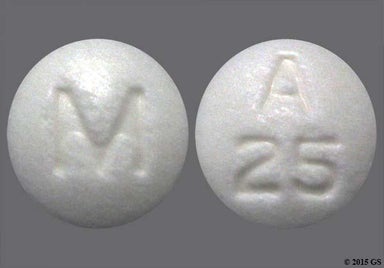
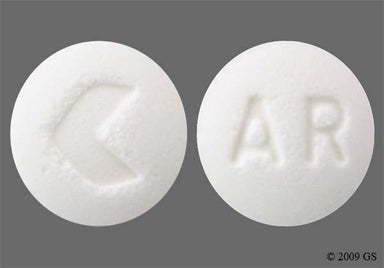
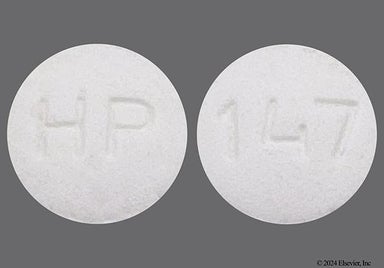
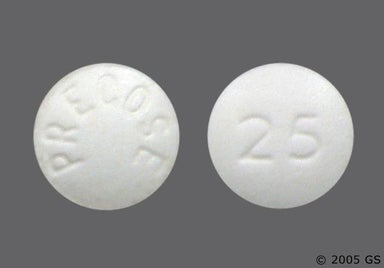
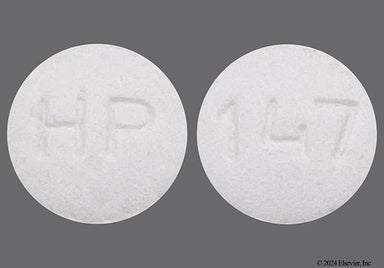
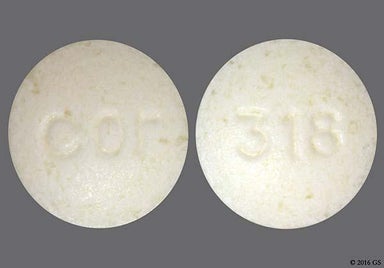
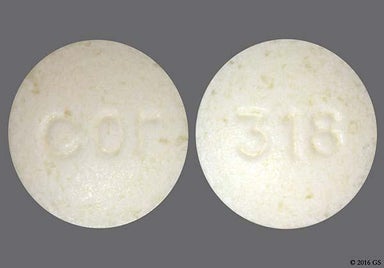
Acarbose is a medication that's used together with a healthy diet and exercise to help control blood sugar in adults with Type 2 diabetes. It isn't as commonly used as other diabetes medications since it can lead to some unpleasant side effects like gas and diarrhea. But acarbose is less likely to cause hypoglycemia compared to other diabetes medications when used on its own. This medication is only available as the generic name acarbose since the brand name Precose has been discontinued.

Acarbose is an alpha-glucosidase inhibitor. It temporarily blocks a protein called alpha-glucosidase, which slows down the digestion of carbohydrates in your gut. As a result, your body will absorb less sugar from the foods that you eat. And this leads to lower blood sugar levels after you eat.
| Common Brands | Precose |
|---|---|
| Drug Class | Alpha-glucosidase inhibitor |
| Controlled Substance Classification | Not a controlled medication |
| Generic Status | Lower-cost generic available |
| Availability | Prescription only |

The following side effects may get better over time as your body gets used to the medication. Let your healthcare provider know immediately if you continue to experience these symptoms or if they worsen over time.
Along with its needed effects, a medicine may cause some unwanted effects. Although not all of these side effects may occur, if they do occur they may need medical attention.
Check with your doctor as soon as possible if any of the following side effects occur:
Rare
Yellow eyes or skin
Some side effects may occur that usually do not need medical attention. These side effects may go away during treatment as your body adjusts to the medicine. Also, your health care professional may be able to tell you about ways to prevent or reduce some of these side effects. Check with your health care professional if any of the following side effects continue or are bothersome or if you have any questions about them:
Other side effects not listed may also occur in some patients. If you notice any other effects, check with your healthcare professional.
Call your doctor for medical advice about side effects. You may report side effects to the FDA at 1-800-FDA-1088.




Acarbose can cause some serious health issues. This risk may be even higher for certain groups. If this worries you, talk to your doctor or pharmacist about other options.
When acarbose is used together with insulin or a sulfonylurea, your blood sugar can drop too low, which can be life-threatening. Signs of low blood sugar include fast heartbeat, sweating, pale skin, shakiness, confusion, and irritability. Make sure to carry glucose tablets at all times while you're on this medication, because products with sucrose (another form of sugar) won't work fast enough to raise your blood sugar.
In clinical trials, some people taking acarbose had changes in their liver labs. But these changes returned to normal after the medication was stopped. This is usually only seen when lab work is ordered. Make sure to get regular lab work done when your provider orders it. If you experience nausea, stomach pain, clay-colored stools, or yellowing of your skin or whites of your eyes, seek medical attention right away. These could be signs of liver problems.
Over time, acarbose might stop lowering your blood sugar. Sometimes this happens when your body is under stress. If this happens, you might need to stop acarbose and switch to insulin. Talk to your provider about how often you should check your blood sugar levels, and make sure to attend all of your follow-up appointments.


Although certain medicines should not be used together at all, in other cases two different medicines may be used together even if an interaction might occur. In these cases, your doctor may want to change the dose, or other precautions may be necessary. When you are taking this medicine, it is especially important that your healthcare professional know if you are taking any of the medicines listed below. The following interactions have been selected on the basis of their potential significance and are not necessarily all-inclusive.
Using this medicine with any of the following medicines is usually not recommended, but may be required in some cases. If both medicines are prescribed together, your doctor may change the dose or how often you use one or both of the medicines.
Using this medicine with any of the following medicines may cause an increased risk of certain side effects, but using both drugs may be the best treatment for you. If both medicines are prescribed together, your doctor may change the dose or how often you use one or both of the medicines.


Contraindications are specific health conditions or situations in which a person should not take a medication due to safety concerns. If you have any of the following conditions or if any of the following apply to you, let your healthcare provider know because Acarbose will not be safe for you to take.




Prescription savings
Stop paying too much for your prescriptions. Compare prices, get pharmacy coupons, and save up to 80%. Find expert answers to your health questions so you can make the best decisions for yourself and your family.
Health conditions
Medications & treatment
Access & affordability
Medication discounts

Acarbose works the best when it's taken at the start of your meal, since it helps slow the breakdown of food into sugar. If you happen to forget a dose and it's been a while after your meal, the medication might not work as well. This is because your food would have already been broken down and the sugars absorbed into your body. In this case, skip this dose and take your next dose as scheduled with your next main meal. Never double up on your dose of Acarbose because this can lead to side effects. If you aren't sure if you should still take your missed dose, contact your pharmacist or healthcare provider.
Yes. Acarbose works in your gut, while metformin works in your liver. And they work differently to treat diabetes. These two medications can lower blood sugar levels better together compared to either one alone. Your provider will help guide you to the best treatment options to help control your blood sugar levels.
When taken with the first bite of each meal, Acarbose works within minutes. Most of the medication isn't absorbed into your body, and it works directly in your gut to prevent the breakdown of carbohydrates. This helps to keep your blood sugar levels lower when you eat.
Acarbose is less likely to cause hypoglycemia, or low blood sugar, compared to other diabetes medications when it's taken alone. But, if it's used in combination with some other diabetes medications (e.g., insulin, sulfonylureas), it can raise the risk of low blood sugar even more. When taken together with metformin, it shouldn't cause low blood sugar. If you do experience low blood sugar, it's important to use glucose (dextrose) products and NOT sucrose (cane sugar) to raise your blood sugar. This is because Acarbose interferes with the breakdown of sucrose into sugar your body needs.
Probably not. Weight gain from Acarbose wasn't reported in the clinical studies and isn't a known side effect. In fact, the medication might actually lead to weight loss. If you have concerns about your weight, speak to your provider.
There haven't been enough studies in pregnant women to know if Acarbose is safe to take during pregnancy. But animal studies haven't shown any harm to unborn babies. It's important to remember that animal studies don't always reflect what happens in humans, so potential risks to mothers and babies can't be ruled out. If you're pregnant or thinking of becoming pregnant, speak to your provider about the risks and benefits of this medication. They can provide guidance on the safest treatment options to manage your blood sugar during your pregnancy.
