pioglitazone / glimepiride
Duetact (pioglitazone / glimepiride) is a combination medication used to treat type 2 diabetes. It's meant to be taken along with healthy diet and exercise to lower your blood sugar. This medication is taken by mouth, typically once daily with the first main meal. Duetact (pioglitazone / glimepiride) can raise your risk of low blood sugar and cause symptoms such as dizziness, shakes, and chills. Make sure to carry glucose tablets or fast-acting sugars with you so you can treat low blood sugar when needed.


What is Duetact (pioglitazone / glimepiride)?
What is Duetact (pioglitazone / glimepiride) used for?
- Type 2 diabetes in adults
How Duetact (pioglitazone / glimepiride) works
Duetact (pioglitazone / glimepiride) is a combination of two medications:
- Pioglitazone is thiazolidinedione. It works on the fat and muscle cells to help them become more sensitive to insulin. Insulin is a hormone that controls your blood sugar. When your body is able to better use insulin, it can help move more blood sugar into cells to be used for energy. Pioglitazone also works on the liver cells to lower the amount of sugar your liver produces.
- Glimepiride is sulfonylurea. It works by attaching to certain pancreatic cells in your body that make insulin. When glimepiride is attached, it tells your pancreas to release more insulin into the blood, which helps to lower blood sugar.
Drug facts
| Common Brands | Duetact |
|---|---|
| Drug Class | Thiazolidinedione / Sulfonylurea |
| Controlled Substance Classification | Not a controlled medication |
| Generic Status | Lower-cost generic available |
| Availability | Prescription only |

Side effects of Duetact (pioglitazone / glimepiride)
The following side effects may get better over time as your body gets used to the medication. Let your healthcare provider know immediately if you continue to experience these symptoms or if they worsen over time.
Common Side Effects
- Shakiness, anxiety, and other symptoms of low blood sugar levels (13-16%)
- Cough, runny or stuffy nose, and other symptoms of an upper respiratory tract infection (12-15%)
- Weight gain (9-13%)
- Swelling of the legs and feet (6-12%)
- Headache (4-7%)
- Pain while urinating, urinating more often, and other symptoms of an urinary tract infection (6-7%)
Less Common Side Effects
- Diarrhea
- Nausea
- Pain the hands and feet
Duetact (pioglitazone / glimepiride) serious side effects
Contact your healthcare provider immediately if you experience any of the following.
- Worsening heart failure: trouble catching your breath, unusual swelling, tiredness, and sudden weight gain
- Serious liver problems: feeling tired or weak, poor appetite, losing weight without trying, dark urine, eyes and skin turning more yellow, upper right stomach pain
- Severe skin or allergic reactions: rash, blisters, sores, trouble breathing, swelling
- Low blood sugar: shakiness, fast heartbeat, sweating, dizziness, anxiety, confusion, feeling very hungry
The following Duetact (pioglitazone / glimepiride) side effects have also been reported
Along with its needed effects, a medicine may cause some unwanted effects. Although not all of these side effects may occur, if they do occur they may need medical attention.
Check with your doctor immediately if any of the following side effects occur:
More common
bladder pain
bloody or cloudy urine
blurred vision
chills
cold sweats
coma
confusion
cool, pale skin
difficult, burning, or painful urination
fast heartbeat
frequent urge to urinate
headache
increased hunger
increased weight
lower back or side pain
nightmares
seizures
shakiness
slurred speech
swelling of the feet or lower legs
unusual tiredness or weakness
Some side effects may occur that usually do not need medical attention. These side effects may go away during treatment as your body adjusts to the medicine. Also, your health care professional may be able to tell you about ways to prevent or reduce some of these side effects. Check with your health care professional if any of the following side effects continue or are bothersome or if you have any questions about them:
Other side effects not listed may also occur in some patients. If you notice any other effects, check with your healthcare professional.
Call your doctor for medical advice about side effects. You may report side effects to the FDA at 1-800-FDA-1088.

Get your GoodRx coupon

Pros and cons of Duetact (pioglitazone / glimepiride)
Pros
- Combines two medications into one pill for convenience
- Only taken once a day
- Can be used for people who have kidney disease
Cons
- Need to take with the biggest meal of the day
- More likely to cause weight gain compared to some other medications for diabetes
- Not a good choice for people with bladder cancer

Pharmacist tips for Duetact (pioglitazone / glimepiride)

- Take Duetact (pioglitazone / glimepiride) at the same time every day with your first main meal. This helps to lower the risk of low blood sugar and to better absorb the medication into your body.
- Tell your provider if you experience any changes in weight, trouble breathing, unusual tiredness, or swelling in the feet, ankles, or legs while taking Duetact (pioglitazone / glimepiride). Though rare, it's possible for this medication can cause or worsen heart failure. Let your provider know if you have a history of heart problems before starting Duetact (pioglitazone / glimepiride).
- Talk to a provider if you notice blurry vision or vision changes while taking Duetact (pioglitazone / glimepiride). This is because Duetact (pioglitazone / glimepiride) can worsen an eye condition called macular edema, which is more commonly seen in people with high blood sugar. Make sure to get your regular eye exams so your provider can make sure this medication is safe for you.
- It's important to eat healthy and exercise regularly to keep your blood sugar under control. Make sure to work with your provider on a diet and exercise plan while taking Duetact (pioglitazone / glimepiride).
- If possible, it's best to avoid alcohol when you're taking Duetact (pioglitazone / glimepiride). Drinking alcohol with this medication can cause dangerously low blood sugar. If you drink alcohol regularly and it's difficult for you to cut it out completely, ask your provider what's a safer amount to drink.
- Duetact (pioglitazone / glimepiride) can put you at risk of having low blood sugar. Your risk is higher if you're also taking insulin. Make sure you eat your meals consistently while you're taking Duetact (pioglitazone / glimepiride) to prevent your blood sugar from dropping too low. If you make any changes in your diet, talk with your provider because they might need to adjust the dose of your blood sugar medications.
- Make sure to keep fast-acting sugars, such as glucose tablets or boxes of fruit juice, with you at all times. This is so that you can take them if your blood sugar level drops too low. Check your blood sugar if you feel confused, shaky, or have a fast heartbeat. Make sure you know how to treat low blood sugar (less than 70 mg/dL) and when you need to call 911.

Risks and warnings for Duetact (pioglitazone / glimepiride)
Duetact (pioglitazone / glimepiride) can cause some serious health issues. This risk may be even higher for certain groups. If this worries you, talk to your doctor or pharmacist about other options.
Heart failure and swelling
- *Risk factors: Heart failure | Heart problems | Kidney problems | Higher dose of pioglitazone | Using insulin at the same time *
 Duetact (pioglitazone / glimepiride) can lead to heart failure, or worsen heart failure in people who already have it. This is because pioglitazone in Duetact can cause your body to hold onto more water, which leads to swelling around your heart. Discuss with your provider before starting Duetact (pioglitazone / glimepiride) if you have one of the risk factors. Let your provider know right away if you experience symptoms such as trouble breathing, tiredness, swelling in your body, or sudden weight gain. Your provider might ask you to stop this medication if you have symptoms of heart failure.
Low blood sugar
- Risk factors: Missing meals or having inconsistent meal times | Drinking alcohol | Intense or long periods of exercise | Using other diabetic medications | People age 60 or older | People with kidney or liver problems
Glimepiride in Duetact can cause your blood sugar levels to drop to dangerously low levels. Symptoms of low blood sugar include feeling shaky, being nervous or anxious, fast heartbeat, sweating or body chills, confusion, and feeling very hungry. Make sure you and your family know how to treat low blood sugar and when they need to call 911. You might need to check your blood sugar more often to make sure it doesn't drop too much while taking this medication. It's best to keep emergency fast-acting sugars with you at all times, in case you need to bring your blood sugar back up to a safer range.
Liver problems
- Risk factors: Type 2 diabetes | Heart failure | Heart problems
Though rare, there have been reports that people who took pioglitazone in Duetact experienced serious liver problems. It's unclear whether the liver problems were caused by pioglitazone or were linked to health conditions people already had. If you’re concerned about the potential for liver damage, talk with your provider so they can decide how you can take Duetact (pioglitazone / glimepiride) safely. You might need to get blood tests done before and while you take Duetact (pioglitazone / glimepiride) so your provider can check your liver health. Let your provider know right away if you experience extreme tiredness, weight loss, belly discomfort, dark urine, or yellowing of the eyes or skin.
Risk of bone fractures
- Risk factors: Weaker bones | Females
Some studies showed that females who took pioglitazone in Duetact might have a higher risk of bone fractures in their arms and feet. Before starting Duetact (pioglitazone / glimepiride), your provider will check your bone health to make sure this medication is safe for you.
Vision problems
People who took medications similar to pioglitazone in Duetact (pioglitazone / glimepiride) have reported vision problems. Keep in mind that diabetes can also affect your vision, which is why it's important for you to get regular eye exams while taking this medication. If you experience cloudy, blurry, or dim vision while taking Duetact (pioglitazone / glimepiride), please talk with your provider right away.
Risk of low red blood cell count (hemolytic anemia)
People who took medications similar to glimepiride in Duetact have experienced hemolytic anemia. If you have a certain genetic condition that raise your risk of this problem, your provider will most likely consider a different medication for you. Let your provider know if you experience symptoms of anemia, such as weakness, tiredness, or dizziness.
Serious allergic reactions
- Risk factor: History of allergy to sulfa medications
Duetact (pioglitazone / glimepiride) can sometimes cause serious allergic reactions, such as rash, peeling or blistering skin, swelling, trouble breathing, and dizziness. The risk is higher if you've had a history of allergy to sulfa medications, such as glipizide or sulfamethoxazole / trimethoprim. Before taking Duetact (pioglitazone / glimepiride), make sure to let your provider know about your medical history. If you experience an allergic reaction to Duetact (pioglitazone / glimepiride), stop the medication and get medical care right away.

Duetact (pioglitazone / glimepiride) dosage


Interactions between Duetact (pioglitazone / glimepiride) and other drugs
Although certain medicines should not be used together at all, in other cases two different medicines may be used together even if an interaction might occur. In these cases, your doctor may want to change the dose, or other precautions may be necessary. When you are taking this medicine, it is especially important that your healthcare professional know if you are taking any of the medicines listed below. The following interactions have been selected on the basis of their potential significance and are not necessarily all-inclusive.
Using this medicine with any of the following medicines is usually not recommended, but may be required in some cases. If both medicines are prescribed together, your doctor may change the dose or how often you use one or both of the medicines.
- Acarbose
- Aspirin
- Balofloxacin
- Besifloxacin
- Chloroquine
- Chlorpropamide
- Ciprofloxacin
- Desmopressin
- Disopyramide
- Dulaglutide
- Enoxacin
- Entacapone
- Fleroxacin
- Flumequine
- Gatifloxacin
- Gemifloxacin
- Glimepiride
- Glipizide
- Glyburide
- Hydroxychloroquine
- Ifosfamide
- Insulin
- Insulin Aspart, Recombinant
- Insulin Bovine
- Insulin Degludec
- Insulin Detemir
- Insulin Glargine, Recombinant
- Insulin Glulisine
- Insulin Lispro, Recombinant
- Isoniazid
- Lanreotide
- Levofloxacin
- Lixisenatide
- Lomefloxacin
- Lumateperone
- Metformin
- Metreleptin
- Miconazole
- Moxifloxacin
- Nadifloxacin
- Nateglinide
- Nifedipine
- Norfloxacin
- Octreotide
- Ofloxacin
- Pasireotide
- Pazufloxacin
- Pefloxacin
- Pioglitazone
- Piperaquine
- Pixantrone
- Porfimer
- Prulifloxacin
- Repaglinide
- Rufloxacin
- Sitagliptin
- Sparfloxacin
- Thioctic Acid
- Tolazamide
- Tolbutamide
- Tolvaptan
- Tosufloxacin
- Voriconazole
Using this medicine with any of the following medicines may cause an increased risk of certain side effects, but using both drugs may be the best treatment for you. If both medicines are prescribed together, your doctor may change the dose or how often you use one or both of the medicines.
- Acebutolol
- Aminolevulinic Acid
- Atenolol
- Atorvastatin
- Betaxolol
- Bisoprolol
- Bitter Melon
- Carteolol
- Carvedilol
- Celiprolol
- Clopidogrel
- Colesevelam
- Esmolol
- Fenugreek
- Furazolidone
- Glucomannan
- Guar Gum
- Iproniazid
- Isocarboxazid
- Ketoconazole
- Labetalol
- Levobunolol
- Linezolid
- Methylene Blue
- Metipranolol
- Metoprolol
- Moclobemide
- Nadolol
- Nebivolol
- Nialamide
- Nilotinib
- Oxprenolol
- Penbutolol
- Phenelzine
- Pindolol
- Practolol
- Procarbazine
- Propranolol
- Psyllium
- Rasagiline
- Rifampin
- Safinamide
- Saxagliptin
- Selegiline
- Sotalol
- Timolol
- Topiramate
- Tranylcypromine

How much does Duetact (pioglitazone / glimepiride) cost?

Duetact (pioglitazone / glimepiride) contraindications
Contraindications are specific health conditions or situations in which a person should not take a medication due to safety concerns. If you have any of the following conditions or if any of the following apply to you, let your healthcare provider know because Duetact (pioglitazone / glimepiride) will not be safe for you to take.
- People with moderate to severe heart failure
- People with a history of allergy to pioglitazone, glimepiride, or sulfa medications

What are alternatives to Duetact (pioglitazone / glimepiride)?

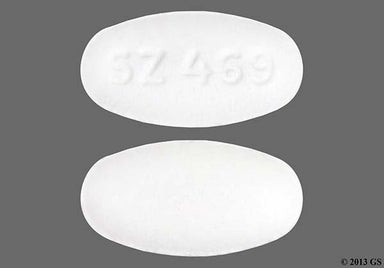
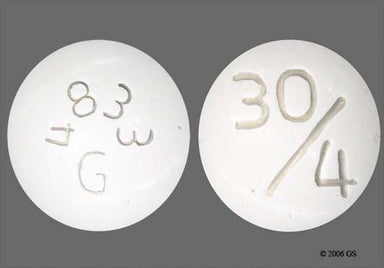
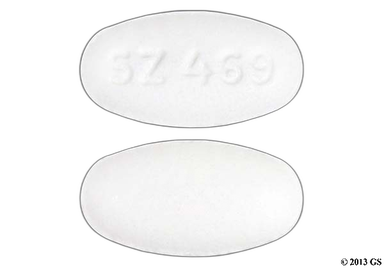
Duetact (pioglitazone / glimepiride) images