Dog Health: Your GoodRx Guide


You want the best for your dog, from making sure they eat right to helping them get enough exercise. Every dog is unique. But in general, here’s what to plan for when you bring home your pup to keep them happy and healthy.
All dogs will likely need the following, at minimum:
Checkups with a veterinarian, at least once a year
Vaccinations, including rabies, distemper, parvovirus, and adenovirus
Regular flea, tick, and other parasite preventative medications
A healthy diet and access to plenty of water
Training, such as house training or crate training
Exercise, playtime, and affection from their family
If you’ve just brought home a puppy or dog, don’t forget to have the following supplies on hand:
Appropriate dog food
Safe, dog-specific toys
Food and water bowls
Carrier and crate
Well-fitting collar and/or harness with ID tag and leash
Grooming supplies like a dog brush and dog shampoo
A local or city dog license, if needed
Let’s take a closer look at what to consider for your dog’s nutrition, exercise and training, and healthcare needs.


Search and compare options
It’s important that your dog eats an appropriate diet and maintains a healthy weight. What and how much your dog needs to eat will depend on a number of factors. Factors can include their:
Age
Weight
Breed
Activity level
Health
Believe it or not, dogs don’t just need to eat meat and protein. Dogs do best when their diet consists of a mix of meat, plants, and grains. And, like humans, dogs need appropriate nutrients in their diet, including:
Water
Proteins
Fats
Carbohydrates
Minerals
Vitamins
When you’re buying dog food, read the label to make sure it will meet your dog’s dietary needs. Look for a statement of nutritional adequacy on the label. This will let you know that the food’s manufacturers followed appropriate nutrition guidelines for dogs. You can also find feeding directions and recommendations on pet food labels.
Raw pet food diets have become more popular recently. But do not feed your dog a raw diet. According to organizations such as the CDC and American Veterinary Medical Association (AVMA), raw food is often contaminated with bacteria, parasites, and other disease-causing organisms.
Your vet can help you determine the right diet for your pup, including the correct number of calories and nutrients. Keep a close eye on how much your dog eats to help them maintain a healthy weight.
It will take more than just food and water to keep your dog happy and healthy. They also need plenty of exercise, playtime, and training.
Dogs need exercise and play to maintain their health. How much activity your dog needs will depend on factors such as their age, size, and breed. Puppies get most of their exercise through playtime. Adult dogs may need a combination of playtime and additional exercise.
There are many ways to make sure your dog gets exercise. Options range from taking regular walks to visiting a local dog park or playing fetch in the backyard. Try out different ways of exercising with your dog. Pick activities that you both enjoy. And consult with your veterinarian about your dog’s specific needs.
When you first bring home a new dog, you will likely also want to do some training. Some of the basics include:
How to walk on a leash
Appropriate behavior around other dogs
Depending on your dog, you may want to work on additional training. Some dogs and dog breeds need lots of mental exercise and activity. Training your dog to learn new skills is one way to meet that need. You may also want your dog to learn commands for safety like “stay” or “leave it.”
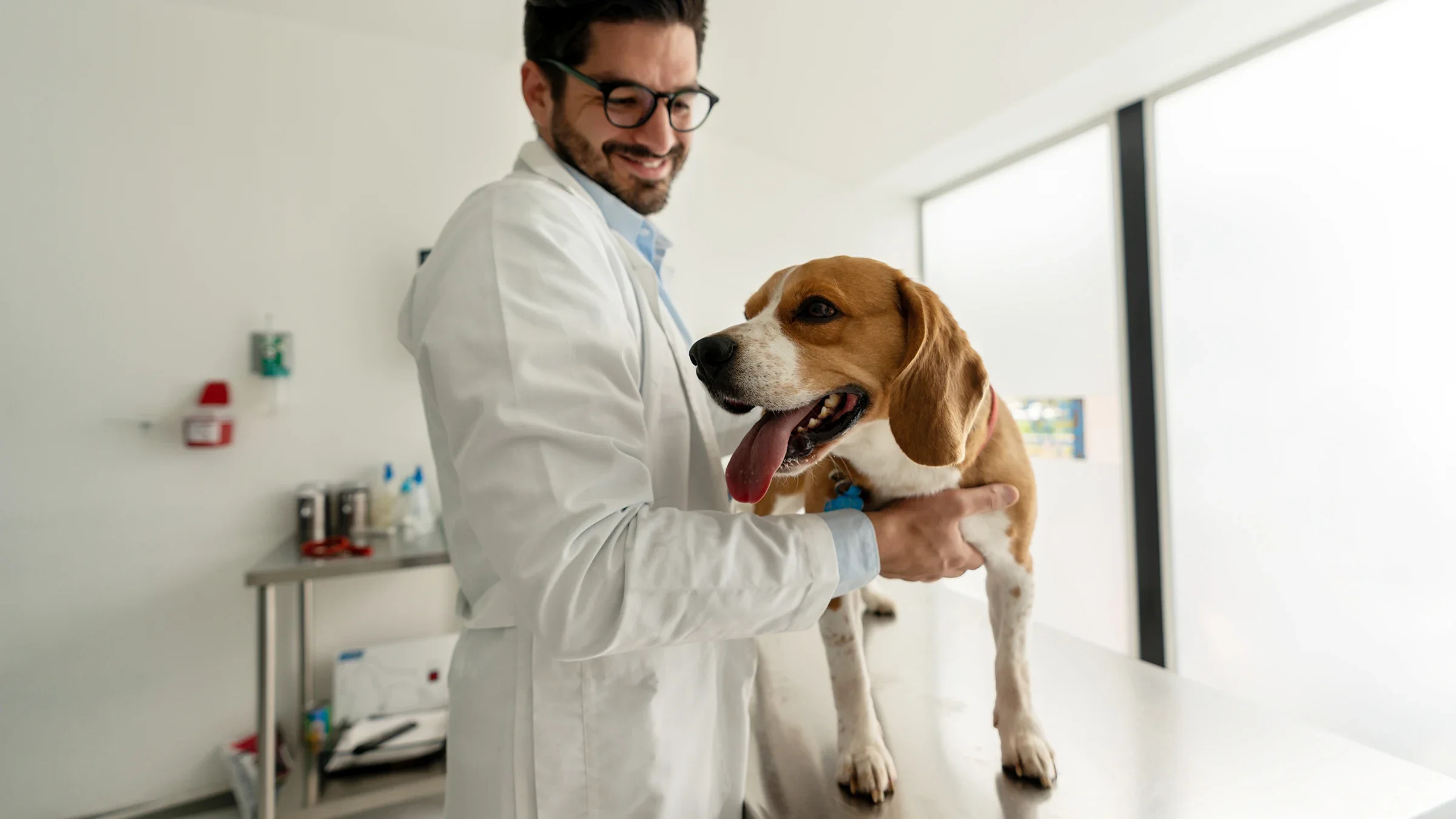
Part of dog ownership includes visits to the veterinarian throughout their lifetime. You can generally break veterinary care into three main categories:
First-time vet visits
Routine and preventative care
Treatment for sickness or injury
It’s recommended that dogs all get similar first-time veterinary care. This should start when they are puppies or as soon as possible for adult dogs. Plan for the following when you first bring home a dog:
Spaying or neutering (“fixing” your dog so they can’t reproduce)
Microchipping to help you find your dog if they get lost
Core vaccinations to prevent serious disease, including rabies, distemper, parvovirus, and adenovirus
Your dog will also need routine veterinary care at least once a year. Here’s what to plan for:
Routine checkups and exams
Boosters to stay current on vaccinations
Flea, tick, and other parasite preventative medications
Tests for internal parasites and heartworm
Dental exams and cleaning as needed
Your vet can help you understand your dog’s individual risk for particular health conditions or injuries. But we do know that some health conditions are particularly common in dogs.
Some common health issues can be prevented through vaccinations, medications, and other preventative measures. These ailments include:
Viruses like canine distemper, dog flu, and parvovirus (which can be prevented through vaccination)
Fleas, ticks, and other parasites (preventative medication can reduce your dog’s risk)
Heatstroke, caused by being in the heat too long
Poisoning from toxic plants, human medications, or foods
Other common dog health conditions aren’t as easy to prevent. These can include:
Osteoarthritis (degenerative joint disease)
Patellar luxation, where a kneecap moves out of place
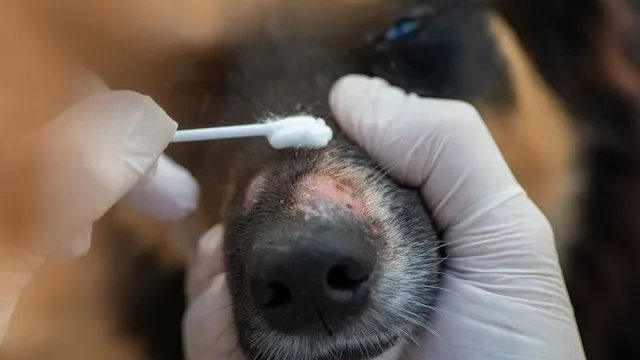
Routine checkups with your veterinarian may help you catch signs of a health issue early. This will allow you and your vet to come up with a treatment plan for your dog. And call your vet if you notice any unusual behavior or symptoms.
American Animal Hospital Association. (n.d.). Parasite control.
American Animal Hospital Association. (n.d.). Pets and raw-protein diets: 10 facts you should know.

Prescription savings
Stop paying too much for your prescriptions. Compare prices, get pharmacy coupons, and save up to 80%. Find expert answers to your health questions so you can make the best decisions for yourself and your family.
Health conditions
Medications & treatment
Access & affordability
 Our monthly healthcare membership can help you save thousands on your prescription costs.
Resources