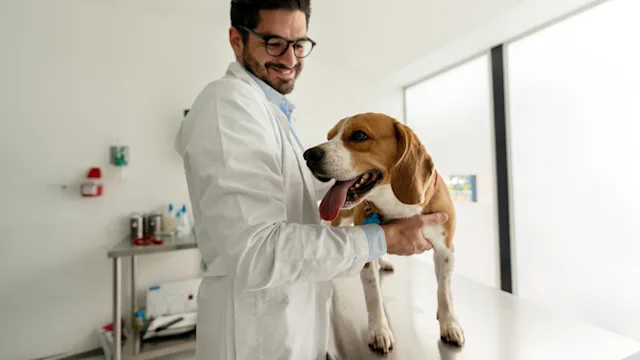
In dogs, liver disease can be caused by underlying conditions like bacterial and viral infections, toxicity, congenital defects, and cancer. It’s important to seek treatment as early as possible to improve or maintain liver function, as well as address the root cause. In this video, learn the symptoms that could signal liver disease so you can discuss them with your veterinarian.
Learn more about the process for diagnosis and possible treatments here.
References
American College of Veterinary Surgeons. (n.d.). Portosystemic shunts.
Bates, N. (2019). Poisons affecting the liver. The Veterinary Nurse.
Burger, D., et al. (2006). How to perform a surgical hepatic biopsy. Dvm360.
Center, S. A. (2022). Disorders of the liver and gallbladder in dogs. Merck Veterinary Manual.
Center, S. A. (2022). Nutrition in hepatic disease in small animals. Merck Veterinary Manual.
Cruz-Rincon, S. (2022). Hepatitis in dogs. Veterinary Information Network.
Gollakner, R. (n.d.). Amoxicillin-clavulanic acid. VCA Animal Hospitals.
Honeckman, A. (2021). Liver enzymes in dogs. Veterinary Information Network.
John Hopkins Medicine. (n.d.). Liver: anatomy and functions.
Loguercio, C., et al. (2011). Silybin and the liver: from basic research to clinical practice. World Journal of Gastroenterology.
Ryan Veterinary Hospital of the University of Pennsylvania. (n.d.). Liver tumors in dogs and cats.
Sykes, J. E. (2014). Infectious canine hepatitis. Canine and Feline Infectious Diseases.
Twedt, D. (2009). How I treat liver disease (proceedings). Dvm360.

Why trust our experts?



Search and compare options