Key takeaways:
Many dogs are prone to developing itchy hot spots — red bumps that can quickly grow and become infected as dogs scratch, bite, and lick them.
When caught early, hot spots can often be treated successfully at home with antiseptics, antihistamines, and other widely available products.
Dogs who don’t respond to at-home treatments should be examined by a veterinarian, who can determine the cause of the hot spot and the right treatment.
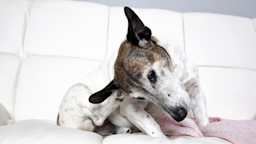
All dogs get the occasional itch that sets off a brief scratching frenzy. But what if they keep scratching, or you notice them biting the same area over and over? Your dog may have developed a hot spot — a patch of skin that has become infected.
The good news is that many hot spots can be treated successfully at home, especially if you catch them early.
How to treat hot spots on dogs at home
It’s not always possible to treat hot spots on dogs at home. But start by trying these tips, and call your veterinarian if things don’t improve.
Search and compare options
Stop the scratching
First, stop your dog from scratching the hot spot. You can use an Elizabethan collar (also known as a cone) to stop them from biting or licking at the spot.
Clean the hot spot
You can clean the hot spot with a gentle antiseptic, such as chlorhexidine. Chlorhexidine is available in liquid form or as the main ingredient in several medicated dog wipes. You’ll need to steer clear of most human skin ointments, including zinc oxide. Human skin products can be toxic to dogs.
Clip or trim the fur
If your dog has long hair, trim the fur around the hot spot. This will prevent the hair from getting trapped in ooze or irritating the area. Even a dog with short hair might benefit from a trim around the hot spot.
Give OTC medications
Over-the-counter oral antihistamines can also help relieve hot spot itchiness. Diphenhydramine (Benadryl) and cetirizine (Zyrtec) are safe for dogs. But consult with your veterinarian to determine the correct dosage before giving these to your dog.
Apply topical home remedies
There are also natural remedies that are safe to apply to hot spots, including coconut oil and aloe vera that’s formulated to be safe for dogs. But these remedies likely aren’t enough on their own. It’s best to try these alongside chlorhexidine after shaving the fur over the area.
What are hot spots?
A hot spot, known by veterinarians as pyotraumatic dermatitis or acute moist dermatitis, often appears first as a small red bump on a dog’s skin. The more your dog scratches, licks, and bites the irritated skin, the worse it gets. The hot spot may grow into a painful, oozing mass, and you may see some hair loss around it. Hot spots commonly emerge on the legs, hips, and head, though they can pop up anywhere on your dog’s body.
Symptoms of hot spots in dogs
Hot spots can develop quickly and create immediate discomfort for your dog. If you notice your pup chewing and scratching in the same area, look for these hot spot symptoms:
Wet, weepy sores
Blood
Redness
A defined spot surrounded by healthy skin
Heat around the spot
Swelling
Oozing
What causes hot spots on dogs?
Any damage to your dog’s skin that triggers itchiness can trigger a hot spot. Common causes include:
Insect bites
Anal sac disease
Chemical irritants
Excessive licking due to stress or boredom
Dirty or matted coats, or moisture trapped in the coat

Read more like this
Explore these related articles, suggested for readers like you.

Certain breeds of dogs that have thick coats are especially prone to hot spots. They include:
Golden retrievers
Saint Bernards
German shepherds
Labrador retrievers
Rottweilers
Warm, humid weather increases their risk even more because it can cause excessive moisture to get trapped against their skin.
What makes hot spots worse?
Unfortunately your dog’s instinct to relieve the itch of a hot spot will make it worse. As soon as your dog feels a hot spot coming on, they are likely to start licking it. That licking sets off nerve endings in the skin, which cause the itchiness that leads to scratching, biting, and sometimes rubbing.
The constant cycle of itching followed by the quest for relief can cause a tiny hot spot to grow into a large, messy lesion, sometimes within as little as 10 minutes.
How to prevent hot spots on dogs in the first place
Treating dog hot spots at home starts with prevention.
Flea treatment: There are several effective preventive treatments to fend off fleas, ticks, and other parasites. Your veterinarian can advise you on which product is the best fit for your pet.
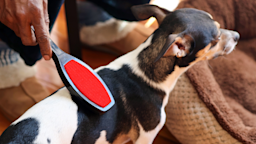
Grooming: If your dog has a thick coat, have them groomed regularly to prevent matting.
Walks: Do you suspect boredom is fueling your dog’s desire to scratch? Try adding a long walk to your daily routine, or enrichment activities such as play and trick training.
Collars: If your dog develops a hot spot and you catch it early, you can prevent them from licking and scratching it by placing an Elizabethan collar (a cone) around their neck.
Don’t cover the hot spot with a sock or a bandage because hot spots need air to dry out and heal properly.
When to see a vet for dog hot spots
If you’ve tried everything to treat your dog’s hot spot and you’re not seeing a rapid, visible improvement, visit your veterinarian. They will start by establishing the underlying cause of the hot spot, which will help guide them to the most appropriate treatment.
For example, a hot spot on your dog’s anal glands can be solved by “expressing” or draining the glands.
Veterinarians can also prescribe antibiotics to treat bacterial infections at the site of the hot spot, or targeted prescription medicines to treat atopic dermatitis. Prescription topical or oral steroids can also help control inflammation and itching.
If your vet determines that your dog has seasonal allergies, they can prescribe antihistamines. Or if food allergies are the culprit, your vet can customize a diet for your dog and even recommend a hypoallergenic food.
Once your dog is matched with the right remedy, the hot spot should resolve in 3 to 7 days.
Frequently asked questions
No, hot spots will not kill a dog. They will irritate your pup. But even if the sore gets infected, it’s unlikely to be fatal.
No, hot spots are not contagious. They can’t spread to a human or another dog. But some hot spots may be caused by fleas. Fleas are contagious.
Do not treat your dog’s hot spot with human topical medications like zinc oxide. These can be toxic to dogs. Only use medications recommended by your veterinarian. You also should not put a bandage on a hot spot, because it needs air to dry out.
Hot spots on dogs typically last 3 to 7 days once treatment has been started. Consult your veterinarian if your dog’s hot spot lingers for longer.
No, hot spots will not kill a dog. They will irritate your pup. But even if the sore gets infected, it’s unlikely to be fatal.
No, hot spots are not contagious. They can’t spread to a human or another dog. But some hot spots may be caused by fleas. Fleas are contagious.
Do not treat your dog’s hot spot with human topical medications like zinc oxide. These can be toxic to dogs. Only use medications recommended by your veterinarian. You also should not put a bandage on a hot spot, because it needs air to dry out.
Hot spots on dogs typically last 3 to 7 days once treatment has been started. Consult your veterinarian if your dog’s hot spot lingers for longer.
The bottom line
Hot spots are a major irritation for dogs — and for their owners, as they try desperately to find relief for their pets. Fortunately, you can treat many hot spots on dogs at home. In addition to taking preventive measures such as proper grooming and medicines to ward off fleas and ticks, you can use topical antiseptics, over-the-counter antihistamines, and natural remedies to relieve the itch. If nothing works, consult your veterinarian, who will determine the underlying cause of your dog’s hot spot and customize a treatment that will bring the lesion under control in a matter of days.

Why trust our experts?




References
Aufox, E. E., et al. (2019). Acute moist dermatitis. Clinician’s Brief.
Brooks, W. (2024). Hot spots (pyotraumatic dermatitis) in dogs and cats. Veterinary Partner.
Carlotti, D.-N. (2006). Optimising topical therapy in the dog. World Small Animal Veterinary Association World Congress Proceedings.
Cornell Richard P. Riney Canine Health Center. (n.d.). Hot spots. Cornell University College of Veterinary Medicine.
Evason, M. (2023). In a ‘hot spot’? Apply spectrum of care. Veterinary Practice News.
Finlay, K. (2017). 6 natural remedies for your dog’s itchy skin. Animal Health Foundation.
Lundgren, B. (2016). Hot spots in dogs and cats. Veterinary Partner.