Key takeaways:
Dogs can develop food allergies. The most common causes are chicken, soy, and wheat.
Symptoms of food allergies in dogs include itchy skin and digestive problems, such as abdominal pain and diarrhea.
Treatment for food allergies typically involves an elimination diet or a hydrolyzed diet.
Food allergies in dogs aren’t common — only about 1% of all cats and dogs have a true food allergy. But if your pup is allergic to a particular food, you’ll want to take care of it right away. Food allergies can make your dog miserable with vomiting, itchy skin, and abdominal pain.
In this article, we’ll discuss signs of food allergies in dogs, common culprits, and treatment options.
Signs and symptoms of food allergies in dogs
Allergies can present a few different ways in your dog. Signs they may have a food allergy include digestive issues, itchy skin, or respiratory problems.
Search and compare options
Digestive symptoms
Many dogs with food allergies have digestive problems. These include:
Itchy skin
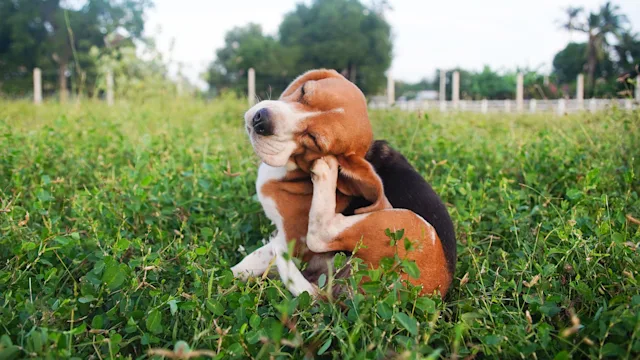
Dogs with food allergies can also develop itchy skin. This happens when the immune system triggers inflammation that causes itchiness. You may see your dog scratching or chewing the following areas:
Face
Paw or limb
Rear end
Ears (due to repeated ear infections)
Respiratory symptoms
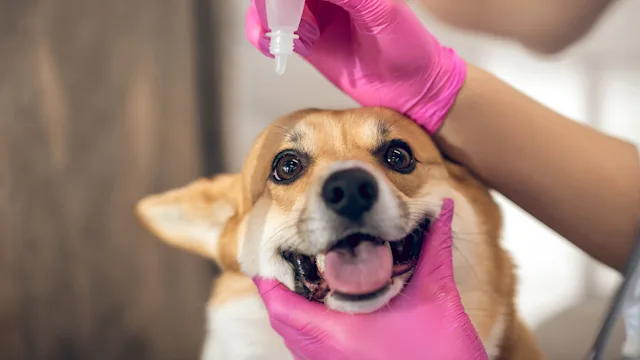
A small number of dogs with food allergies have respiratory symptoms, such as sneezing. These dogs may also develop conjunctivitis (pink eye).
Common food allergies for dogs
Dogs can be allergic to a wide range of foods. Some dogs can also be allergic to more than one food. Common foods dogs are allergic to can include certain proteins and grains.
Protein
A few proteins your dog could be allergic to include:
Chicken
Turkey
Beef
Lamb
Soy
Dairy
Eggs
Grains
Grains your dog could be allergic to include:
Corn
Rice
Barley
Wheat
Additives and preservatives
Despite what you might read online, there’s not enough evidence to suggest that additives or preservatives in dog food cause canine allergies. If you’re concerned, read food labels and look for products with fewer additives. Many dog food manufacturers are reducing the use of added ingredients in their chow.

Read more like this
Explore these related articles, suggested for readers like you.

Dog allergy treatment options
To treat food allergies in dogs, you’ll need to identify and get rid of the food your dog is allergic to. There are a couple of ways to do this.
Novel protein or elimination diet
Your veterinarian may start by prescribing a home-cooked or prescription therapeutic diet to eliminate the common ingredients dogs are allergic to.
These diets typically consist of a novel (or new) protein and carbohydrate source that your dog has not eaten before. Examples include:
Rabbit and potato
Venison and potato
Duck and oats
You may be able to find some of these diets without a prescription from your veterinarian. But there are also prescription diets made for this purpose that may be a better choice for your pup.
Hydrolyzed diet
A hydrolyzed diet is specifically made to reduce your dog’s reaction to certain foods. It uses common ingredients, such as soy and chicken. But manufacturers change their molecules in a way that prevents an allergic reaction. In other words, the animal’s immune system doesn’t recognize the allergen and it doesn’t react to the food.
Hydrolyzed diets are available by prescription from your veterinarian.
Preventing food allergies
You can’t prevent food allergies in dogs. Many dogs seem to eat commercial dog food for years without a problem and then develop an allergy over time.
What you can do is feed your dog a balanced, nutritious diet. They may be able to eat the same brand of food for their entire lives.
But if your dog develops a food allergy, you can prevent future reactions. Find the offending protein or carbohydrate by using the elimination or hydrolyzed diet. Then feed them non-allergenic alternatives. Avoid any foods or treats that don’t belong to your dog’s prescribed diet.
When to see a vet for food allergies
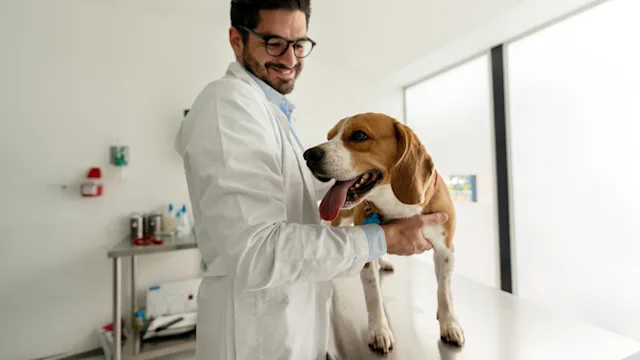
If you suspect your dog has a food allergy, make an appointment with your veterinarian. Food allergies often progress, and symptoms can get worse. That could mean more itching, diarrhea, and abdominal pain for your dog.
Your veterinarian can start your dog on a diet plan that should relieve bothersome symptoms.
Frequently asked questions
Any dog breed can develop food allergies. But some dog breeds are more at risk than others. They include:
Labrador retrievers
West Highland white terriers
Cocker spaniels
It takes most dogs 4 to 6 weeks for their food allergies to clear up. Some breeds, like Labrador retrievers and cocker spaniels, may need up to 12 weeks or longer.
Some dogs can suddenly become allergic to their food while others react more slowly. A dog may show mild signs that something’s wrong, such as vomiting or mild itching. But the symptoms will probably get worse as they continue to eat the allergen.
Any dog breed can develop food allergies. But some dog breeds are more at risk than others. They include:
Labrador retrievers
West Highland white terriers
Cocker spaniels
It takes most dogs 4 to 6 weeks for their food allergies to clear up. Some breeds, like Labrador retrievers and cocker spaniels, may need up to 12 weeks or longer.
Some dogs can suddenly become allergic to their food while others react more slowly. A dog may show mild signs that something’s wrong, such as vomiting or mild itching. But the symptoms will probably get worse as they continue to eat the allergen.
The bottom line
Some dogs can develop food allergies. Common culprits include chicken, dairy, wheat, and corn. Symptoms of food allergies in dogs include abdominal pain, diarrhea, and itchy skin.
If you think your dog has a food allergy, take them to your veterinarian. They can guide you on how to feed them an elimination or hydrolyzed diet. Most dogs get better in 4 to 6 weeks, but some may take up to 12 weeks.

Why trust our experts?




References
Brooks, W. (2023). Food allergies in dogs and cats. Veterinary Partner.
Datz, C. (2011). Food allergy: Diagnostics & therapeutic food options. Today’s Veterinary Practice.
Jackson, H. A. (2023). Food allergy in dogs and cats; current perspectives on etiology, diagnosis, and management. Journal of the American Veterinary Medical Association.
Seltzer, J. (2019). Identifying food allergies: The veterinary elimination diet trial. DVM360.
White, S. D., et al. (2024). Allergies in dogs. Merck Veterinary Manual.