


Appetite Stimulants: 9 Medications That Make You Want to Eat
Appetite stimulants like megestrol can help promote weight gain. People with certain health conditions may use appetite stimulants to meet nutritional needs.
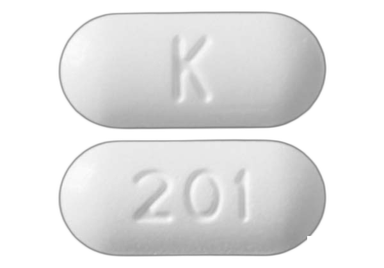
Oxandrolone is an oral tablet belonging to a class called anabolic steroids. It works to help build protein and muscle in adults and children after treatment with long-term steroids. It's also used to relieve osteoporosis-related bone pain. Oxandrolone is a schedule III controlled substance because it carries a risk of misuse, addiction, and dependence. Side effects include acne and swelling from too much fluid.
Note: Oxandrolone is no longer FDA-approved in the United States and therefore isn't available.

Oxandrolone is an anabolic steroid. It's a man-made version of testosterone, a hormone your body makes. By acting like testosterone, oxandrolone helps with weight and muscle growth as well as promote bone strength and health.
| Common Brands | Oxandrin |
|---|---|
| Drug Class | Anabolic steroid |
| Controlled Substance Classification | Schedule III |
| Generic Status | No lower-cost generic available |
| Availability | Discontinued |

Oxandrolone can cause some serious health issues. This risk may be even higher for certain groups. If this worries you, talk to your doctor or pharmacist about other options.
 Although rare, there have been reports of liver problems caused by blood-filled cysts or sacs (a problem called peliosis hepatis) in people taking anabolic steroids like oxandrolone. It's possible this condition can lead to liver failure or stomach bleeds. Liver tumors have also been seen in people taking this medication.
Depending on how long you're going to be taking oxandrolone, your provider might order blood tests to monitor your liver health regularly during treatment. Tell your provider if you have any signs of liver problems, such as yellowing of the skin, pale stool, and dark urine.
Oxandrolone can
raise your "bad" cholesterol (LDL) and lower your "good" cholesterol (HDL). This raises your risk for severe heart problems like coronary artery disease. Your provider might measure your cholesterol levels during treatment with oxandrolone. Make sure to tell your provider if you have a history of high cholesterol or are taking medications for high cholesterol, such as statins or fibrates, before starting oxandrolone.
Oxandrolone can cause your body to hang on to more fluid, which can cause swelling in the arms and legs. This can be especially serious in people who might be sensitive to changes in water weight, such as those with heart, liver, or kidney problems. Let your provider know if you notice any swelling in your arms and legs or start to gain weight quickly.
Children taking oxandrolone might experience stunted growth, where their bones mature faster than they grow, leading to a failure to reach their full growth potential. This causes their adult height to be lower than it would've been had they not taken this medication. The younger the child, the greater the risk. Your child's healthcare provider will check your child's growth progress closely. If they suspect slowed or stunted growth, they might pause or stop your child's oxandrolone treatment.
Older adults using anabolic steroids like oxandrolone are at a higher risk for developing an enlarged prostate (benign prostatic hyperplasia (BPH)) or prostate cancer. Let your provider know if you experience pain in the pelvic area, difficulty urinating, or blood in the urine.

The following side effects may get better over time as your body gets used to the medication. Let your healthcare provider know immediately if you continue to experience these symptoms or if they worsen over time.
Males:
Females:
Contact your healthcare provider immediately if you experience any of the following.
Tumors of the liver, liver cancer, or peliosis hepatis, a form of liver disease, have occurred during long-term, high-dose therapy with anabolic steroids. Although these effects are rare, they can be very serious and may cause death. Discuss these possible effects with your doctor.
Along with its needed effects, a medicine may cause some unwanted effects. Although not all of these side effects may occur, if they do occur they may need medical attention.
Check with your doctor immediately if any of the following side effects occur:
For both females and males
Less common
Yellow eyes or skin
Rare (with long-term use)
Black, tarry, or light-colored stools
dark-colored urine
purple- or red-colored spots on body or inside the mouth or nose
sore throat and/or fever
vomiting of blood
Check with your doctor as soon as possible if any of the following side effects occur:
For both females and males
Less common
Bone pain
nausea or vomiting
sore tongue
swelling of feet or lower legs
unusual bleeding
unusual weight gain
Rare (with long-term use)
Abdominal or stomach pain
feeling of discomfort (continuing
headache (continuing)
loss of appetite (continuing)
unexplained weight loss
unpleasant breath odor (continuing)
Incidence not known
Lack or slowing of normal bone growth
For females only
For young males (boys) only
Less common
Unexplained darkening of skin
For sexually mature males only
More common
Enlargement of breasts or breast soreness
frequent or continuing erections
frequent urge to urinate
For elderly males only
Less common
>Difficult or frequent urination
Some side effects may occur that usually do not need medical attention. These side effects may go away during treatment as your body adjusts to the medicine. Also, your health care professional may be able to tell you about ways to prevent or reduce some of these side effects. Check with your health care professional if any of the following side effects continue or are bothersome or if you have any questions about them:
For both females and males
Less common
Chills
feeling of abdominal or stomach fullness
muscle cramps
trouble in sleeping
unusual decrease or increase in sexual desire




Your provider will adjust your dose of the medication based on how well it's helping your condition and if you're having side effects.

Although certain medicines should not be used together at all, in other cases two different medicines may be used together even if an interaction might occur. In these cases, your doctor may want to change the dose, or other precautions may be necessary. When you are taking any of these medicines, it is especially important that your healthcare professional know if you are taking any of the medicines listed below. The following interactions have been selected on the basis of their potential significance and are not necessarily all-inclusive.
Using medicines in this class with any of the following medicines is usually not recommended, but may be required in some cases. If both medicines are prescribed together, your doctor may change the dose or how often you use one or both of the medicines.

Contraindications are specific health conditions or situations in which a person should not take a medication due to safety concerns. If you have any of the following conditions or if any of the following apply to you, let your healthcare provider know because Oxandrolone will not be safe for you to take.


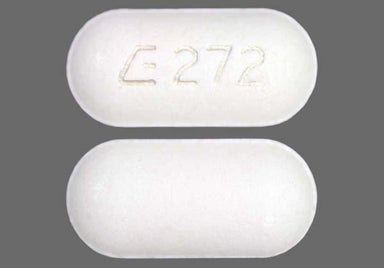
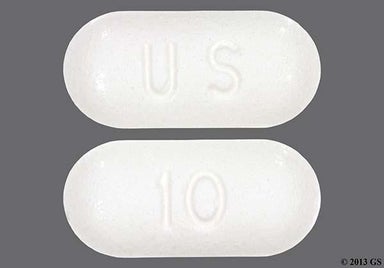
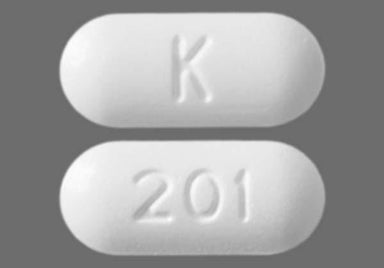
Prescription savings
Stop paying too much for your prescriptions. Compare prices, get pharmacy coupons, and save up to 80%. Find expert answers to your health questions so you can make the best decisions for yourself and your family.
Health conditions
Medications & treatment
Access & affordability
Medication discounts

It can take up to about 2 to 3 days for Oxandrolone to leave your body after a single dose. This time frame is estimated based on the half-life of Oxandrolone. But the time it takes a medication to leave your body can vary among individuals.
Adults typically only need to take Oxandrolone for 2 to 4 weeks. But your provider will decide how long you need Oxandrolone based on your symptoms, how well you're responding to the medication, and if you're having side effects.
No, Oxandrolone doesn't cause hair loss. But, because it's an anabolic steroid, it can cause hair growth or male pattern baldness, especially in females. Talk to your provider if you're concerned with changes in your hair after starting Oxandrolone.
Yes, Oxandrolone is a schedule III controlled substance because it has a risk of misuse, addiction, and dependence. Make sure to keep Oxandrolone in a safe place to prevent others from using this medication.
Yes, but Oxandrolone isn't a corticosteroid, it's considered an anabolic steroid. Corticosteroids are used to lower inflammation, whereas anabolic steroids are man-made versions of the hormone testosterone. Anabolic steroids help to promote growth and development of your bone, muscle, and sexual organs.
