NP Thyroid is a prescription medication used to treat hypothyroidism in adults and children. It can also help with other thyroid-related problems. NP Thyroid is a natural thyroid hormone product that helps replace or add to the thyroid hormones your body doesn’t make enough of on its own. You usually take it once a day by mouth on an empty stomach. Side effects can happen if you take too much, like a fast heartbeat, feeling nervous, or being tired.
NP Thyroid is a natural combination of two thyroid hormones: triiodothyronine (T3) and thyroxine (T4), which your thyroid gland normally makes. These hormones help control important functions like your metabolism, energy, heart rate, and body temperature.
If your body doesn’t make enough of these hormones, taking NP Thyroid can help bring your levels back to normal.
The following side effects may get better over time as your body gets used to the medication. Let your healthcare provider know immediately if you continue to experience these symptoms or if they worsen over time.
The following NP Thyroid side effects have also been reported
Along with its needed effects, a medicine may cause some unwanted effects. Although not all of these side effects may occur, if they do occur they may need medical attention.
Get emergency help immediately if any of the following symptoms of overdose occur:
Take NP Thyroid on an empty stomach, usually first thing in the morning before eating. This helps your body absorb the medication better since food can affect how well it works.
Get blood work done regularly while taking NP Thyroid. Your prescriber will use your thyroid hormone levels to adjust your dose and make sure the medication is working properly.
Tell your prescriber or pharmacist about all other medications you take before starting NP Thyroid. It can affect how other medications work, so they might need to change your doses or schedule to prevent interactions.
If you take cholesterol medications cholestyramine or colestipol, wait at least 4 to 5 hours between those medications and NP Thyroid. These cholesterol medications can lower how much thyroid hormone your body absorbs.
If you have diabetes and are taking medications to lower your blood sugar levels, or if you're taking a blood thinner, your dose might need to be adjusted when you start NP Thyroid. Make sure to tell your prescriber about all your medications before you begin treatment.
Talk to your prescriber if you notice signs of having too much thyroid hormone in your body. These can include shakiness, chest pain, or fast heartbeat. They might check your thyroid hormone levels and lower your NP Thyroid dose if needed.
NP Thyroid can cause some serious health issues. This risk may be even higher for certain groups. If this worries you, talk to your doctor or pharmacist about other options.
Not for weight loss
Risk factors: Taking other medications for weight loss
NP Thyroid shouldn't be used for weight loss. It’s not recommended, safe, or effective for this purpose. If your thyroid levels are normal, taking normal doses won’t help you lose weight. Taking high doses of NP Thyroid can cause serious or life-threatening side effects, especially if used with other medications for weight loss.
In rare cases, you might have low thyroid hormones and low adrenal hormones at the same time. If your thyroid hormones are replaced first, your adrenal hormone levels can drop even lower and make you feel very sick. Your prescriber should check your adrenal hormone levels before prescribing NP Thyroid. Get medical help right away if you feel very tired, weak, dizzy, lose your appetite, or have stomach pain.
Worsening diabetes
Risk factors: Taking diabetes medication
NP Thyroid can affect how your diabetes medications work and might change the dose you need. Be sure to check your blood sugar levels as directed by your prescriber. Talk to your prescriber if you notice blood sugar levels that are higher than usual. They might need to raise the dose of your diabetes medication.
Risk of heart problems
Risk factors: Current heart conditions like chest pain | Older adults
Taking too much NP Thyroid can cause heart problems, especially if you're an older adult or already have certain heart conditions. Contact your prescriber or get medical care right away if you have a fast or irregular heartbeat, chest pain, or trouble breathing. Your prescriber might need to lower your dose if you start having new or worse heart symptoms while taking this medication.
Before you start taking NP Thyroid, talk to your prescriber about all the medications you take. They might need to change your dose or help you plan when to take each one during the day. This helps your treatments work properly and lowers the risk of side effects or interactions.
NP Thyroid dosage
The average cost for 90 tablets of 60mg of of NP Thyroid is $71.99 with a free GoodRx coupon. This is 35.77% off the average retail price of $112.08.
The dose of NP Thyroid depends on what you're taking it for. Your prescriber will adjust your dose based on how your body responds and your thyroid lab tests.
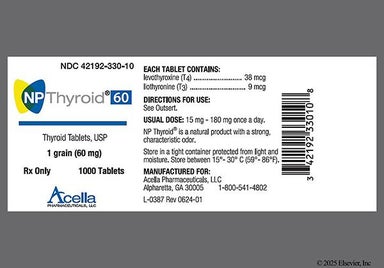
Hypothyroidism: The typical starting dose in adults is 30 mg by mouth daily. Your doctor may slowly increase the dose up to 120 mg a day, depending on what your body needs. Your dose might be lower if you have certain health conditions. Children’s doses are based on age and body weight.
Lowering TSH: The dose is calculated by your prescriber based on your body weight and is typically taken for 7 to 10 days.
Interactions between NP Thyroid and other drugs
NP Thyroid may interact with certain medications or supplements. Always let your doctor and pharmacist know about any other medications or supplements (including prescribed and over-the-counter medications, vitamins, and dietary or herbal supplements) that you are currently taking. The list below does not include all possible drug interactions with NP Thyroid. Please note that only the generic name of each medication is listed below.
Although certain medicines should not be used together at all, in other cases two different medicines may be used together even if an interaction might occur. In these cases, your doctor may want to change the dose, or other precautions may be necessary. When you are taking this medicine, it is especially important that your healthcare professional know if you are taking any of the medicines listed below. The following interactions have been selected on the basis of their potential significance and are not necessarily all-inclusive.
Using this medicine with any of the following medicines is usually not recommended, but may be required in some cases. If both medicines are prescribed together, your doctor may change the dose or how often you use one or both of the medicines.
Using this medicine with any of the following medicines may cause an increased risk of certain side effects, but using both drugs may be the best treatment for you. If both medicines are prescribed together, your doctor may change the dose or how often you use one or both of the medicines.
Contraindications are specific health conditions or situations in which a person should not take a medication due to safety concerns. If you have any of the following conditions or if any of the following apply to you, let your healthcare provider know because NP Thyroid will not be safe for you to take.
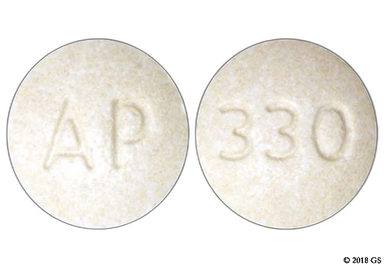
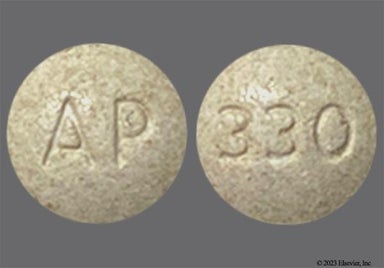
This medicine is Tan, Round Tablet Imprinted With "Ap" And "330".Tan Round 330 And Ap - NP Thyroid 60 TabletThis medicine is Tan, Round Tablet Imprinted With "Ap" And "330".Tan Round 330 And Ap - NP Thyroid 60 TabletThis medicine is Tan, Round Tablet Imprinted With "Ap" And "330".Tan Round 330 And Ap - NP Thyroid 60 Tablet
GoodRx Health has strict sourcing policies and relies on primary sources such as medical organizations, governmental agencies, academic institutions, and peer-reviewed scientific journals. Learn more about how we ensure our content is accurate, thorough, and unbiased by reading our editorial guidelines.
Prescription savings
Stop paying too much for your prescriptions. Compare prices, get pharmacy coupons, and save up to 80%.
NP Thyroid usually doesn’t cause weight gain. In fact, it can sometimes lead to weight loss because changes in thyroid hormone levels can affect your metabolism and body weight. But you should never use this medication to try to lose weight. That's because taking it when you don’t need it or taking too much can be dangerous and cause serious heart or mood problems. Talk to your prescriber if you're worried about weight changes with this medication.
Yes, you can take NP Thyroid at night, but it's important to take it the same time every day to keep your routine consistent. Many people actually take it in the morning on an empty stomach, 30 to 60 minutes before eating, since food can affect how well your body absorbs the medication. If you prefer taking it at night, wait at least 2 hours after your last meal. Talk to your prescriber about the best time to take NP Thyroid.
NP Thyroid usually takes a few weeks to work. Most people begin to feel better after about 2 to 3 weeks. Your prescriber will check your thyroid levels with blood tests and might adjust your dose to make sure it’s working correctly.
Yes, NP Thyroid can sometimes cause some hair loss, especially in children. This usually happens when you first start treatment and is temporary. As your body gets used to the medication and your thyroid hormone levels return to normal, the hair loss often slows down or stops. If your dose is too high or too low, it can also affect your hair growth. Let your prescriber know if you notice ongoing or severe hair loss, since your thyroid levels might need to be checked or your dose adjusted.
Not exactly. NP Thyroid and Armour Thyroid are similar because both come from natural animal sources and contain the same thyroid hormones, T3 and T4. But they have different inactive ingredients. Some people might respond differently to one brand over the other. Speak with your prescriber if you have questions comparing the two medications.
No, NP Thyroid and levothyroxine aren't the same. NP Thyroid is a natural thyroid medication made from animal thyroid glands and contains two hormones, T3 and T4. Levothyroxine, on the other hand, is a lab-made form of only T4. Your body then converts that T4 into T3 as needed. Talk to your prescriber about the differences between these two medications.