



7 Statin Alternatives You Can Take to Help Lower Your Cholesterol
Statins may not be safe and effective for all people with high cholesterol. Some statin alternatives, like fibrates, may be able to help. Review your options here.
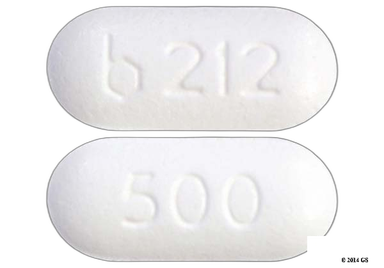
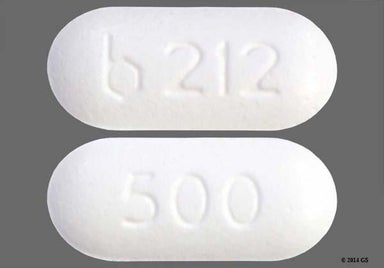
Niacin ER (also known as vitamin B3) is a prescription antilipemic medication for adults. It's used to lower high cholesterol and triglycerides (a common form of fat) levels, but it's not a first-choice option for this condition. Niacin ER is taken by mouth once daily, while niacin (Niacor) is typically taken three times daily. Some side effects of niacin ER include flushing and stomach upset. Please note that niacin is also available over-the-counter to treat vitamin B3 deficiency.

Niacin ER is an antilipemic medication and a naturally occurring vitamin (vitamin B3). It's thought to work by blocking the release of fat from fatty tissue and slow down the production of cholesterol in the liver. It also turns on certain key pathways responsible for removing triglycerides from the body. As a result of these actions, it can help lower "bad" (LDL) cholesterol and triglyceride levels, while raising the "good" (HDL) cholesterol levels.
| Common Brands | Niacor, Slo-Niacin |
|---|---|
| Drug Class | Antilipemic |
| Controlled Substance Classification | Not a controlled medication |
| Generic Status | Lower-cost generic available |
| Availability | Prescription or over-the-counter |

The following side effects may get better over time as your body gets used to the medication. Let your healthcare provider know immediately if you continue to experience these symptoms or if they worsen over time.
Contact your healthcare provider immediately if you experience any of the following.
Along with its needed effects, a medicine may cause some unwanted effects. Although not all of these side effects may occur, if they do occur they may need medical attention.
Check with your doctor immediately if any of the following side effects occur:
Less common
Darkening of urine
light gray-colored stools
loss of appetite
severe stomach pain
yellow eyes or skin
Some side effects may occur that usually do not need medical attention. These side effects may go away during treatment as your body adjusts to the medicine. Also, your health care professional may be able to tell you about ways to prevent or reduce some of these side effects. Check with your health care professional if any of the following side effects continue or are bothersome or if you have any questions about them:
Less common
Abdominal or stomach pain
feeling of warmth
flushing or redness of the skin, especially on the face and neck
headache
nausea or vomiting
rash or itching
Other side effects not listed may also occur in some patients. If you notice any other effects, check with your healthcare professional.
Call your doctor for medical advice about side effects. You may report side effects to the FDA at 1-800-FDA-1088.




Niacin ER can cause some serious health issues. This risk may be even higher for certain groups. If this worries you, talk to your doctor or pharmacist about other options.
Although rare, taking niacin ER together with a statin medication can cause a serious condition called rhabdomyolysis. This is when damaged muscle tissue is broken down in your body and releases proteins into the bloodstream, which can cause very serious and sometimes deadly kidney and heart damage. Talk to your healthcare provider if you develop sudden unexplained muscle pain, weakness, and tenderness, especially after you first start taking niacin ER or after your dose is raised.
Niacin ER can cause serious and life-threatening liver damage, especially if you switch from the immediate-release form of niacin ER to the sustained-release form at equal doses. These forms are not the same and you should not switch between them, even at equivalent doses. This can cause you to take a much higher dose than recommended and raise your risk of liver damage. Additionally, if you're a heavy drinker of alcohol or have a history of liver problems you might be at higher risk for liver damage. Don't take niacin ER if you have active liver disease. Your healthcare provider will monitor your liver by doing blood tests while you're taking niacin ER. If you start to notice severe abdominal pain, nausea or vomiting, or yellowing of the skin or whites of the eye, contact your healthcare provider right away.

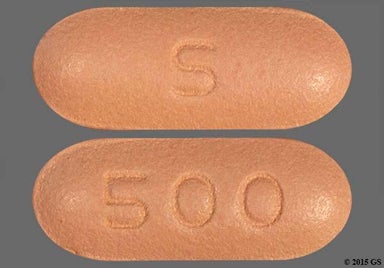
 Tablet
| Dosage | Quantity | Price as low as | Price per unit |
|---|---|---|---|
| 500mg | 90 tablets | $30.41 | $0.34 |
| 750mg | 90 tablets | $45.57 | $0.51 |
| 1000mg | 90 tablets | $37.75 | $0.42 |
Only prescription-strength niacin ER is FDA-approved to treat high cholesterol levels. Also, immediate-release and extended-release forms of niacin aren't the same and can't be substituted, one for the other.
Niacin immediate-release tablets: The typical starting dose is 250 mg by mouth once a day with dinner. Your provider might raise your dose every few days or weeks until you reach your target cholesterol levels. The typical maintenance dose is 1,000 mg to 2,000 mg two to three times a day. Don't take more than 6,000 mg of niacin immediate-release a day.
Niacin extended-release tablets: The typical starting dose is 500 mg by mouth at bedtime, after a low-fat snack. After 4 weeks, your provider will raise your dose depending on how you’ve tolerated and responded to the medication. The typical maintenance dose is 1,000 mg to 2,000 mg daily at bedtime. The maximum recommended dose is 2,000 mg daily.

Although certain medicines should not be used together at all, in other cases two different medicines may be used together even if an interaction might occur. In these cases, your doctor may want to change the dose, or other precautions may be necessary. When you are taking this medicine, it is especially important that your healthcare professional know if you are taking any of the medicines listed below. The following interactions have been selected on the basis of their potential significance and are not necessarily all-inclusive.
Using this medicine with any of the following medicines is usually not recommended, but may be required in some cases. If both medicines are prescribed together, your doctor may change the dose or how often you use one or both of the medicines.
Using this medicine with any of the following medicines may cause an increased risk of certain side effects, but using both drugs may be the best treatment for you. If both medicines are prescribed together, your doctor may change the dose or how often you use one or both of the medicines.


Contraindications are specific health conditions or situations in which a person should not take a medication due to safety concerns. If you have any of the following conditions or if any of the following apply to you, let your healthcare provider know because Niacin ER will not be safe for you to take.



Prescription savings
Stop paying too much for your prescriptions. Compare prices, get pharmacy coupons, and save up to 80%. Find expert answers to your health questions so you can make the best decisions for yourself and your family.
Health conditions
Medications & treatment
Access & affordability
 Our monthly healthcare membership can help you save thousands on your prescription costs.
Resources

You're recommended to take Niacin ER at bedtime so that the flushing (a side effect where you feel warm all of a sudden) from niacin is more likely to happen at night when you're sleeping. Keep in mind that if you do wake up in the middle of the night because of the flushing, you might feel dizzy. If you need to get up, do so slowly to prevent falls.
Niacin flush is a common side effect of Niacin ER where your skin becomes red, warm to the touch, and itchy all of a sudden. It's not dangerous, but can be bothersome. This side effect happens because the small blood vessels under the skin widens, which allows more blood to flow to the area. In general, Niacin ER is less likely to cause flushing than the immediate-release version of the medication. But you're at higher risk for this side effect when you take higher doses of Niacin ER. If you experience flushing from Niacin ER, talk with your provider. They can recommend other ways to prevent flushing such as taking it with food, and avoiding alcohol or hot drinks.
Flushing with Niacin ER can last for up to 2.5 hours. Keep in mind that for many people, the flushing gets better after several weeks of taking Niacin ER. If this side effect is bothersome, talk to your provider.
You might take Niacin ER for several weeks to months before you see lower cholesterol and triglycerides levels in your lab tests. In clinical studies, people typically took Niacin ER for 1 to 4 months before their labs were drawn. In general, people saw a drop in their bad cholesterol and triglycerides, as well as a rise in their good cholesterol at this time. Continue taking Niacin ER every day as prescribed by your provider, even if you don't feel it working. Your provider will check your labs to make sure it's working well for you.
Both Niacin ER and nicotinamide are forms of vitamin B3, they just differ slightly in their chemical structure. Nicotinamide is commonly found in dietary supplements that are used to treat low levels of vitamin B3. Niacin ER, on the other hand, is prescribed to treat high cholesterol and triglycerides. Niacin is also found as a supplement over the counter. Unlike Niacin ER, nicotinamide doesn't cause flushing (feeling warm all of a sudden).
Speak with your healthcare provider to see if taking Niacin ER with your statin medication would be safe for you. A study done by the American College of Cardiology found that taking Niacin ER together with a statin medication didn’t lower people’s risk of heart disease caused by high levels of “bad” (LDL) cholesterol (called atherosclerotic cardiovascular disease, ASCVD). It also showed that taking Niacin ER with statins raised participants’ rates of side effects, such as worsening blood sugar control, stomach issues, muscle pain, flushing, and itching.
