

What’s the Best Cough Medicine? Comparing the Effectiveness of Over-the-Counter vs. Prescription
GoodRx compares prescription cough medicines with over-the-counter treatments so you can make the best decision regarding treatment.
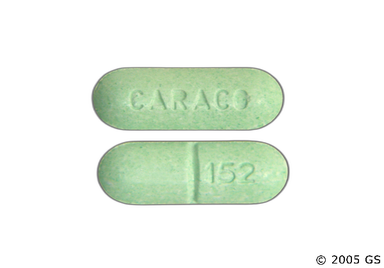
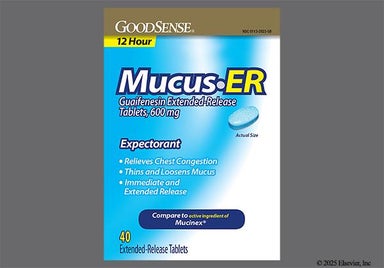
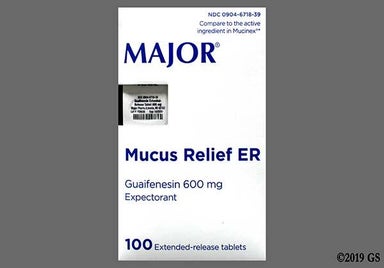
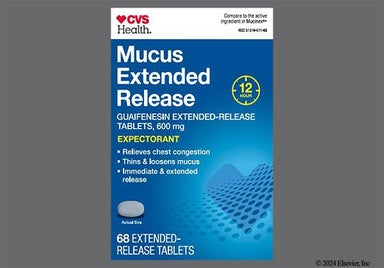
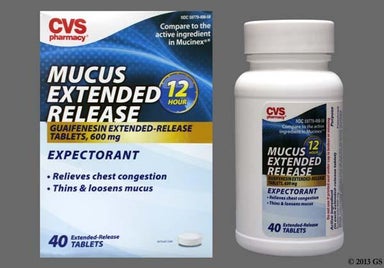
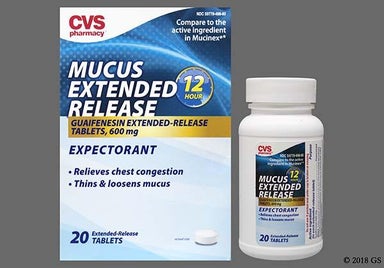
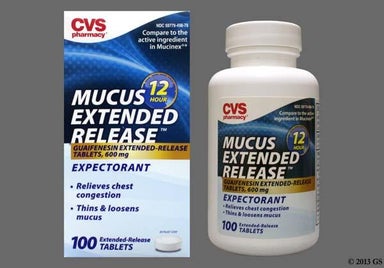
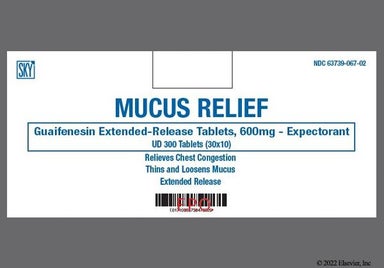
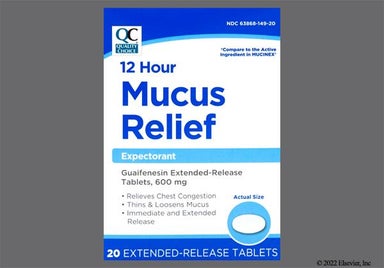
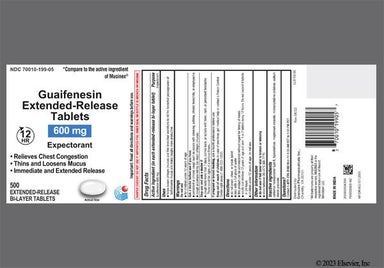
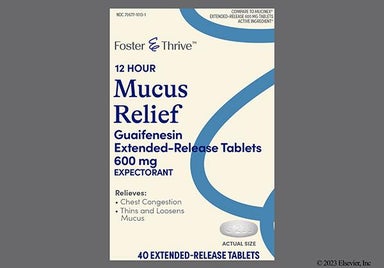
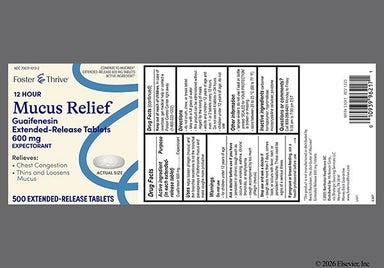
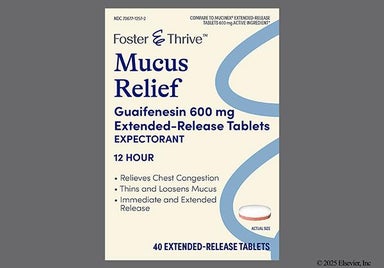
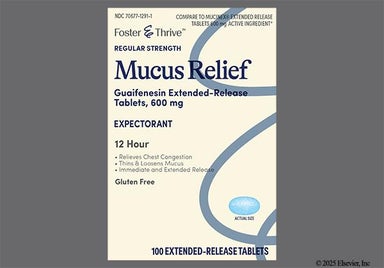
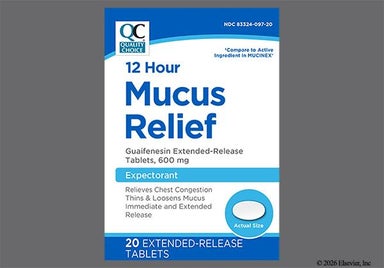
Guaifenesin extended-release (ER) is an over-the-counter expectorant used to relieve wet cough. It helps loosen phlegm in the throat and chest so you can cough it up more easily. Guaifenesin ER can be taken orally by adults and children 12 years and older, typically every 12 hours as needed. Most people experience few to no side effects after taking this medication as directed. Guaifenesin ER is available as a brand-name and generic medication.

Guaifenesin ER is an expectorant, meaning it loosens mucus in your airways by making it thinner. This makes it easier to cough out mucus and help clear chest congestion.
| Common Brands | Mucinex ER, Mucus Relief ER |
|---|---|
| Drug Class | Expectorant |
| Controlled Substance Classification | Not a controlled medication |
| Generic Status | Lower-cost generic available |
| Availability | Over-the-counter |

The following side effects may get better over time as your body gets used to the medication. Let your healthcare provider know immediately if you continue to experience these symptoms or if they worsen over time.
Along with its needed effects, a medicine may cause some unwanted effects. Although not all of these side effects may occur, if they do occur they may need medical attention.
Some side effects may occur that usually do not need medical attention. These side effects may go away during treatment as your body adjusts to the medicine. Also, your health care professional may be able to tell you about ways to prevent or reduce some of these side effects. Check with your health care professional if any of the following side effects continue or are bothersome or if you have any questions about them:
Other side effects not listed may also occur in some patients. If you notice any other effects, check with your healthcare professional.
Call your doctor for medical advice about side effects. You may report side effects to the FDA at 1-800-FDA-1088.




Guaifenesin ER can cause some serious health issues. This risk may be even higher for certain groups. If this worries you, talk to your doctor or pharmacist about other options.
Guaifenesin ER is an expectorant, which is found in many other over-the-counter products. Using more than one product containing the same ingredients can lead to an accidental overdose that can be dangerous.
If you're not sure whether you're taking a medication with guaifenesin in it, talk to your care team. To prevent an accidental overdose, follow the specific product instructions on the package carefully. If you think that you or your child might’ve accidentally taken too much guaifenesin ER, call a Poison Center at 1-800-222-1222 right away even if you aren't completely sure.

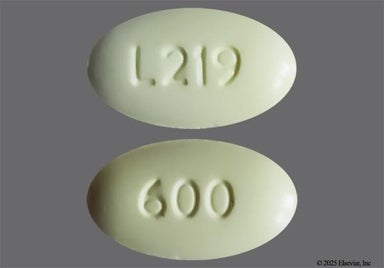
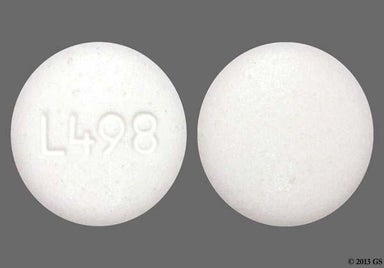
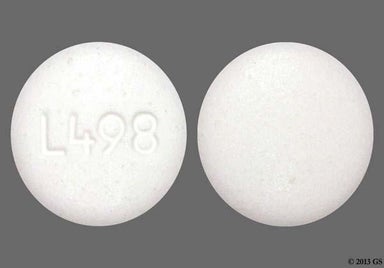
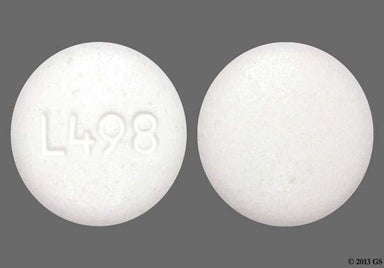
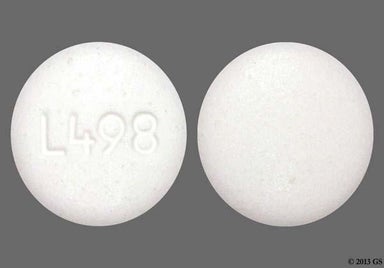
 Tablet
| Dosage | Quantity | Price as low as | Price per unit |
|---|---|---|---|
| 600mg | 60 tablets | $25.07 | $0.42 |
| 1200mg | 14 tablets | $8.76 | $0.63 |
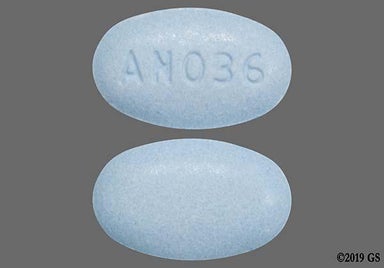
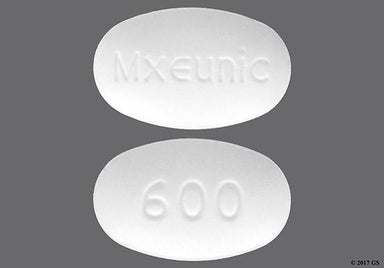
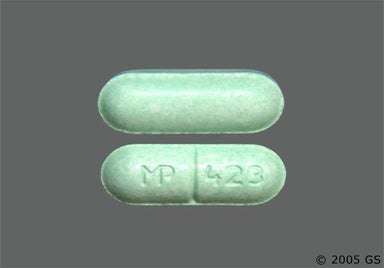
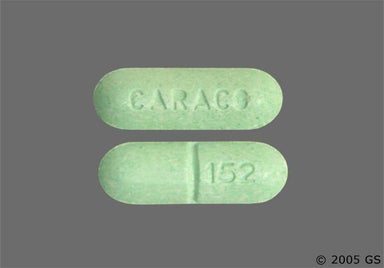
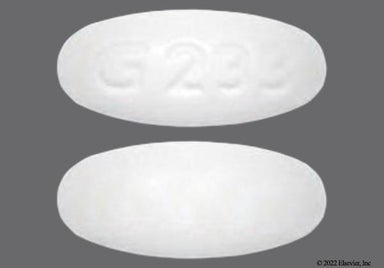
Mucinex extended-release (ER), generic extended-release tablet

Although certain medicines should not be used together at all, in other cases two different medicines may be used together even if an interaction might occur. In these cases, your doctor may want to change the dose, or other precautions may be necessary. Tell your healthcare professional if you are taking any other prescription or nonprescription (over-the-counter [OTC]) medicine.












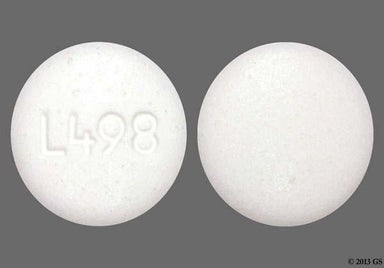
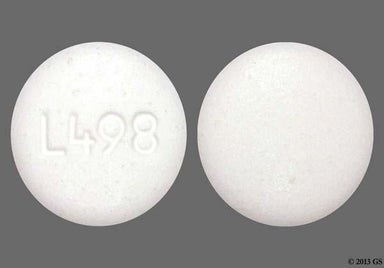
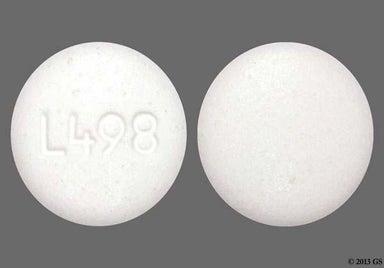
Prescription savings
Stop paying too much for your prescriptions. Compare prices, get pharmacy coupons, and save up to 80%. Find expert answers to your health questions so you can make the best decisions for yourself and your family.
Health conditions
Medications & treatment
Access & affordability
Medication discounts


Don't crush, break, or chew Guaifenesin ER tablets. If you have trouble swallowing, consider taking the guaifenesin oral liquid instead. Keep in mind that guaifenesin oral liquid is immediate-release, so it's typically taken every 4 hours as needed for chest congestion.
Both extended-release (ER) guaifenesin and immediate-release (IR) guaifenesin are taken by mouth to treat chest congestion. The main difference between them is how long the effects last. Guaifenesin ER is a longer-lasting medication so you can take it once every 12 hours. But the effects of guaifenesin IR don't last as long; this medication can be taken once every 4 hours. Another difference is who can take it. Guaifenesin ER contains a higher dose of the medication and should only be taken by people ages 12 years and older. Guaifenesin IR comes as an oral solution and the dose can be adjusted for children as young as 2 years old, if approved by their pediatrician. Ask your pharmacist if you have more questions about the differences between the two medications.
Whether you choose guaifenesin ER and guaifenesin IR depends on your need and personal preference. Both formulations of the medication are bioequivalent, which means they work similarly well to ease chest congestion. But you might consider guaifenesin ER if you want a medication that's longer lasting. This is because the effects of guaifenesin ER can last up to 12 hours, whereas the effects of guaifenesin IR might only last 4 hours. On the other hand, guaifenesin IR might be a better option if you're giving this medication to a child. Guaifenesin IR comes in an oral solution that can be given to children as young as 2 years old. But guaifenesin ER is for people ages 12 years and older. Ask your pharmacist if you're not sure whether guaifenesin ER or guaifenesin IR is a better option for you.
There's limited research on how long it takes for Guaifenesin ER to start working. The guaifenesin IR is thought to work after 15 to 30 minutes, but it's unclear whether this timeline also applies to Guaifenesin ER. One study showed some people can feel a difference in their symptoms after taking Guaifenesin ER for 4 days. But other studies suggest that people might not notice a difference in their cough after taking Guaifenesin ER. Talk with your healthcare team if you're not sure whether this medication is working for you.
If needed, you can take Guaifenesin ER by mouth every 12 hours as needed for chest congestion.
You should wait until you're fully recovered and no longer taking Guaifenesin ER before drinking alcohol. While alcohol doesn't have known interactions with this medication, it's best to avoid drinking alcohol while you're fighting off an illness like the cold or flu. This is because alcohol can weaken your immune system, which makes it harder for your body to recover.
Guaifenesin ER isn't known to affect your sleep. In fact, this medication is generally well-tolerated with very few side effects.
There's limited research on how Guaifenesin ER might affect pregnancy. Speak with your gynecologist about the risks and benefits of taking Guaifenesin ER for your cough during pregnancy. Although most studies found that this medication isn't likely to raise the risk of birth defects, some studies showed otherwise. Ask your gynecologist about safer options to relieve your cough if you're pregnant.
Guaifenesin ER doesn't have known interactions with ibuprofen (Advil). But keep in mind that ibuprofen (Advil) isn't a good option for everyone, especially for people who have heart risks and kidney problems. Before taking over-the-counter cold or flu medications, speak with your care team to make sure it's safe for you to do so.
