


How Much Is Methylphenidate ER Without Insurance?
The cost of methylphenidate ER without insurance can be over $200 per month. Learn about what affects the cost and how to save on your prescription.
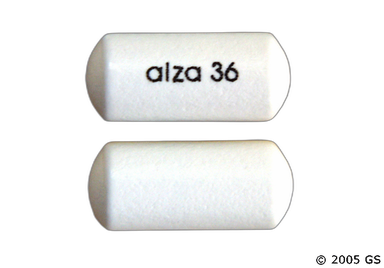
Methylphenidate extended-release (ER) is a first-choice option for people with attention deficit-hyperactivity disorder (ADHD). This once-daily medication can start to work within 2 hours and can last throughout the day. Methylphenidate ER can cause difficulty sleeping and a loss of appetite. It also has a potential risk of misuse and dependency and is thus a controlled substance.

Methylphenidate ER is a stimulant medication. It's not exactly known how methylphenidate ER helps to improve attention and focus. But it's thought to work by raising the levels of chemicals in your brain called norepinephrine and dopamine. It's also thought to boost the activity of serotonin in the brain.
| Common Brands | Concerta, Adhansia XR, Aptensio XR, Jornay PM, QuilliChew ER, Quillivant XR, Ritalin LA, Relexxii |
|---|---|
| Drug Class | Stimulant |
| Controlled Substance Classification | Schedule II |
| Generic Status | Lower-cost generic available |
| Availability | Prescription only |

Methylphenidate ER can cause some serious health issues. This risk may be even higher for certain groups. If this worries you, talk to your doctor or pharmacist about other options.
 Methylphenidate ER has a risk of misuse and dependence. Misuse is when a medication is used differently than how it's prescribed. Misusing methylphenidate ER raises your risk for serious side effects such as fast heart rate, high blood pressure, aggressive behavior, and even thoughts of hurting yourself.
 In addition, over time, you can become physically dependent on methylphenidate ER to function normally. This is usually related to having withdrawal symptoms like irritability, nightmares, and sleep problems if you take the medication for a long time and then suddenly stop. Take the medication exactly as prescribed to you. Don't change the dose or how often you take it without talking to your provider first.
There have been reports of sudden death, stroke, and heart attack in people who took methylphenidate ER at usual doses. Methylphenidate ER can also raise your blood pressure and heart rate. Tell your provider if you have a history of heart problems before starting methylphenidate ER to make sure it's safe for you to take. Your provider will check for heart problems before starting treatment with this medication. Contact your provider if you experience unexplained fainting, chest pain with physical activity, or irregular heartbeat while you're taking methylphenidate ER.
Taking a stimulant like methylphenidate ER can cause mental health problems such as hallucinations (seeing things that aren't really there), abnormal or unclear thinking, and mania. This medication can worsen mood-related problems that you already have. But these changes in mood or behavior can also happen even if you haven't had these problems before. If you develop these mood- and behavior-related symptoms while taking methylphenidate ER, talk to your healthcare provider right away because you might have to stop taking it.
Although rare, some people taking methylphenidate ER experienced prolonged and painful erections. Sometimes, it might require surgery to treat. This was typically reported after the dose was raised, but could also happen when the medication was stopped. If you develop a painful erection that lasts longer than 4 hours, stop taking methylphenidate ER and get medical attention immediately.
Methylphenidate ER might be linked to poor blood circulation problems, such as Raynaud's phenomenon. People with Raynaud's phenomenon can experience episodes of poor blood flow to the fingers and toes, which can cause the skin to turn pale and to feel cold, numb, or painful. If this happens, symptoms are typically mild. But rarely, it can cause sores or ulcers in more serious cases. Let your healthcare provider know if you notice symptoms of circulation problems, such as bouts of numbness or pain in your fingers or toes. Your provider might need to lower your dose of methylphenidate ER or ask you to consider a different medication.
In studies, children taking stimulants like methylphenidate ER daily throughout the year had a temporary slowing of growth. On average, the children in these studies had 2 cm less growth in height and 6 pounds less growth in weight over 3 years. Your child's provider will track your child's growth progress closely. If they suspect slowed growth, they might pause or stop your child's methylphenidate ER treatment. Talk to your child's provider if you have concerns.
Serotonin syndrome is a rare, but potentially life-threatening condition where there's too much serotonin in the brain. Serotonin is one of the chemicals in your brain responsible for your mood. Your risk for this condition goes up if you use methylphenidate ER with other medications that affect serotonin levels, such as antidepressants (e.g., sertraline (Zoloft), duloxetine (Cymbalta)), MAOIs (e.g., phenelzine (Nardil)), linezolid (Zyvox), and certain migraine medications (e.g., sumatriptan (Imitrex)). Let your provider know about all the medications you take or plan to take before starting methylphenidate ER. Be aware of symptoms of serotonin syndrome, which include fast heart rate, sweating, muscle stiffness or spasms, high fever, and confusion. Get medical help right away if you have any of these symptoms.
Methylphenidate ER can interact with a lot of medications. Methylphenidate ER counteracts (works against) the effects of many blood pressure medications. This means your blood pressure medications might not work as well for you if you take them with methylphenidate ER. Additionally, avoid taking methylphenidate ER with monoamine oxidase inhibitors (MAOIs). This combination can raise your risk of severely high blood pressure. Discuss with your healthcare provider and pharmacist about all the medications you take (including over-the-counter medications and supplements) before and during treatment with methylphenidate ER.

The following side effects may get better over time as your body gets used to the medication. Let your healthcare provider know immediately if you continue to experience these symptoms or if they worsen over time.
Side effects might differ depending on the formulation and brand. In general:
Contact your healthcare provider immediately if you experience any of the following.
Along with its needed effects, a medicine may cause some unwanted effects. Although not all of these side effects may occur, if they do occur they may need medical attention.
Check with your doctor immediately if any of the following side effects occur:
More common
Fast heartbeat
Rare
Black, tarry stools
blood in the urine or stools
blurred vision or other changes in vision
crusting, dryness, or flaking of the skin
muscle cramps
pinpoint red spots on the skin
scaling, severe redness, soreness, or swelling of the skin
seizures
uncontrolled vocal outbursts or tics (uncontrolled and repeated body movements)
unusual bleeding or bruising
Incidence not known
Agitation
arm, back or jaw pain
bleeding gums
bloody nose
chest discomfort
chest tightness or heaviness
chills
confusion
dark urine
difficulty with speaking
difficulty with swallowing
discouragement
dizziness
double vision
drowsiness
fainting
fast, pounding, or irregular heartbeat or pulse
feeling like surroundings are not real
feeling sad or empty
feeling that others are watching you or controlling your behavior
feeling that others can hear your thoughts
feeling, seeing, or hearing things that are not there
headache
heavier menstrual periods
inability to move the arms, legs, or facial muscles
inability to speak
irritability
itching skin
large, hive-like swelling on the face, eyelids, lips, tongue, throat, hands, legs, feet, or genitals
loss of interest or pleasure
mood swings
muscle pain, stiffness, or spasms
nervousness
numbness of the hands
overactive reflexes
painful or difficult urination
pale skin
paleness or cold feeling in the fingertips and toes
poor coordination
pounding in the ears
puffiness or swelling of the eyelids or around the eyes, face, lips, or tongue
red, irritated eyes
red, swollen, or scaly skin
redness, soreness, or itching skin
restlessness
right upper quadrant tenderness
seeing, hearing, or feeling things that are not there
severe or sudden headache
shivering
slow speech
slowed growth in children
sores, ulcers, or white spots on the lips or in the mouth
stuffy or runny nose
sudden loss of coordination
sudden slurring of speech
sweating
swollen glands
talking or acting with excitement you cannot control
tingling or pain in the fingers or toes when exposed to cold temperatures
trembling or shaking
trouble concentrating
trouble sleeping
troubled breathing with exertion
twitching, twisting, or uncontrolled repetitive movements of the tongue, lips, face, arms, or legs
unusual behavior
unusual tiredness or weakness
yellow skin or eyes
Get emergency help immediately if any of the following symptoms of overdose occur:
Symptoms of overdose
Agitation
bigger, dilated, or enlarged pupils of the eyes
confusion as to time, place, or person
dark urine
dizziness, faintness, or lightheadedness when getting up suddenly from a lying or sitting position
dry eyes, mouth, nose, or throat
false or unusual sense of well-being
fast, slow, irregular, pounding, or racing heartbeat or pulse
holding false beliefs that cannot be changed by fact
increased sensitivity of the eyes to light
loss of consciousness
muscle pain, stiffness, or twitching
nervousness
overactive reflexes
pounding in the ears
rapid, shallow breathing
sweating
unusual excitement, nervousness, or restlessness
Some side effects may occur that usually do not need medical attention. These side effects may go away during treatment as your body adjusts to the medicine. Also, your health care professional may be able to tell you about ways to prevent or reduce some of these side effects. Check with your health care professional if any of the following side effects continue or are bothersome or if you have any questions about them:
Other side effects not listed may also occur in some patients. If you notice any other effects, check with your healthcare professional.
Call your doctor for medical advice about side effects. You may report side effects to the FDA at 1-800-FDA-1088.



Tips for methylphenidate ER non-chewable pills
Tips for QuilliChew ER chewable tablets only
Tips for Quillivant XR oral suspension only

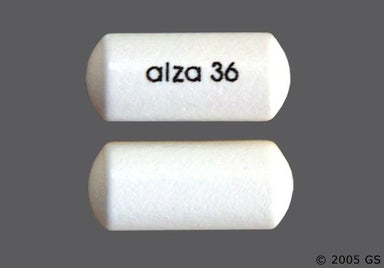
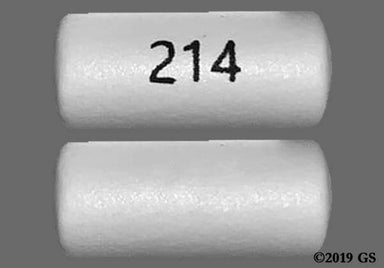
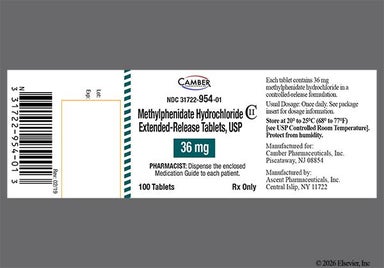
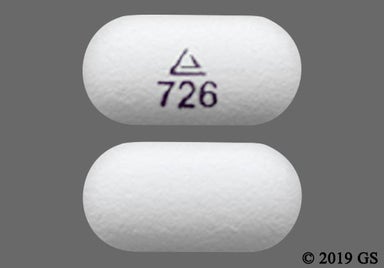
 Tablet
| Dosage | Quantity | Price as low as | Price per unit |
|---|---|---|---|
| 18mg | 30 tablets | $34.29 | $1.14 |
| 27mg | 30 tablets | $37.56 | $1.25 |
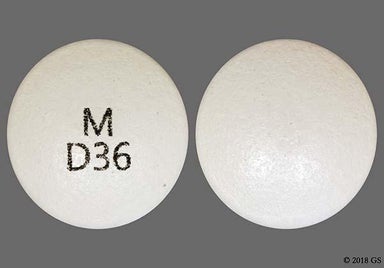
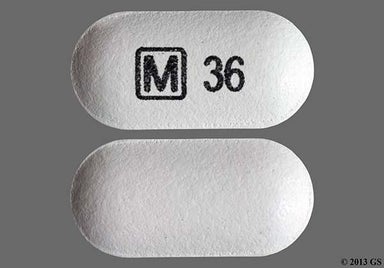
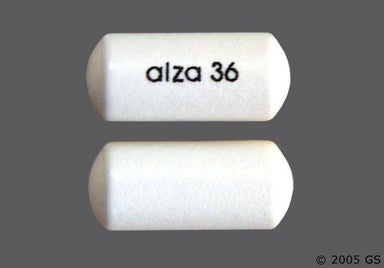
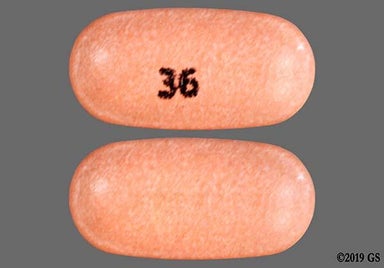
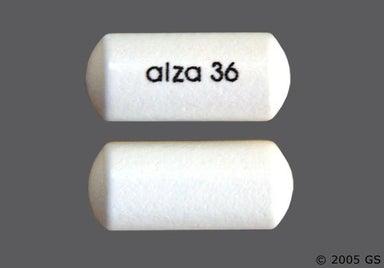
| 36mg | 30 tablets | $36.68 | $1.22 |
| 54mg | 30 tablets | $40.66 | $1.36 |
| 20mg | 30 tablets | $25.01 | $0.83 |
| 10mg | 30 tablets | $26.40 | $0.88 |
| 72mg | 30 tablets | $198.42 | $6.61 |
| 63mg | 30 tablets | $310.88 | $10.36 |
| 45mg | 30 tablets | $311.28 | $10.38 |
There are several different formulations (e.g., tablet, capsule, liquid) and brand names of methylphenidate ER. The dose, frequency (how often you take the medication), and age cut-offs might differ between the formulations and brands. Make sure you know which methylphenidate ER product you're using and how to take it properly.
The typical dose is 1 pill by mouth once per day in the morning for adults and children age 6 years and up.

GoodRx has partnered with to provide reviews on the different aspects of Methylphenidate ER.
Learn more about the effectiveness of Methylphenidate ER based on real life experiences.
Based on 280 people taking this medication
3.3
3.6
3.7
3.7
3.0
2.5
Severity of side effects
Based on 409 people taking this medication
0%
50%
100%
Decreased appetite
9%
Dry mouth
5%
Jittery feeling
5%
Irritability
4%
Insomnia
4%
Reasons people stopped taking Methylphenidate ER
Based on 501 people who have taken this medication
Did not seem to work
31%
Side effects too severe
24%
Doctor's advice
19%
Other
17%
Personal research
4%
Course of treatment ended
4%
Expense
3%
Change in health plan coverage
2%
How long people take Methylphenidate ER
Based on 609 people who have taken this medication
0%
50%
100%

Although certain medicines should not be used together at all, in other cases two different medicines may be used together even if an interaction might occur. In these cases, your doctor may want to change the dose, or other precautions may be necessary. When you are taking this medicine, it is especially important that your healthcare professional know if you are taking any of the medicines listed below. The following interactions have been selected on the basis of their potential significance and are not necessarily all-inclusive.
Using this medicine with any of the following medicines is not recommended. Your doctor may decide not to treat you with this medication or change some of the other medicines you take.
Using this medicine with any of the following medicines is usually not recommended, but may be required in some cases. If both medicines are prescribed together, your doctor may change the dose or how often you use one or both of the medicines.
Using this medicine with any of the following medicines may cause an increased risk of certain side effects, but using both drugs may be the best treatment for you. If both medicines are prescribed together, your doctor may change the dose or how often you use one or both of the medicines.


Contraindications are specific health conditions or situations in which a person should not take a medication due to safety concerns. If you have any of the following conditions or if any of the following apply to you, let your healthcare provider know because Methylphenidate ER will not be safe for you to take.













Prescription savings
Stop paying too much for your prescriptions. Compare prices, get pharmacy coupons, and save up to 80%. Find expert answers to your health questions so you can make the best decisions for yourself and your family.
Health conditions
Medications & treatment
Access & affordability
Medication discounts


Yes. According to the ADHD treatment guidelines, stimulant medications like Methylphenidate ER used along with other behavioral therapies are first-choice options for children. Healthcare providers also use Methylphenidate ER often for adults with ADHD. Stimulant medications generally work well to improve attention span. But they're not always for everyone since taking the medication can have many risks. Talk with your provider about whether Methylphenidate ER is an appropriate option for you.
Methylphenidate ER and Adderall XR (dextroamphetamine / amphetamine salts) are both stimulants that treat ADHD. They have similar side effects and potential risks. But ADHD experts might recommend these two medications for different age groups based on studies looking at how well they work and how safe they are. Adderall XR (dextroamphetamine / amphetamine salts) might be the preferred choice for adults, whereas methylphenidate ER might be the preferred choice for children and adolescents. In addition, methylphenidate ER is available in many different formulations (e.g., chewable tablet, oral liquid), whereas Adderall XR (dextroamphetamine / amphetamine salts) is only available as capsules. Speak with your provider about the appropriate choice for you if you need medication to treat your ADHD.
There are several brands of Methylphenidate ER available on the market today. These brands differ by formulation. They come as oral tablets (e.g., Concerta), capsules (e.g., Jornay PM), chewable tablets (QuilliChew ER), oral liquid (Quillivant XR), and even patches placed on the skin (Daytrana). The brands also differ in cost and whether they're available as a lower-cost generic. Insurance companies might only cover certain brands of Methylphenidate ER. Discuss with your provider about which brand or formulation fits your needs.
If you're pregnant or thinking of getting pregnant, discuss with your provider about the risks and benefits of taking Methylphenidate ER. More research is needed to know for sure if it's safe to take during pregnancy. But some studies suggest that people who took Methylphenidate ER during pregnancy might be at risk of developing high blood pressure during pregnancy (preeclampsia), having an early (preterm) delivery, or having possible harm to the baby. In addition, newborn babies might have a low birth weight. If you're currently pregnant and taking this medication, it's encouraged that you enroll in the National Pregnancy Registry for ADHD Medications, which monitors your and your baby's health. Enroll in this registry by calling 1-866-961-2388 or by visiting their website.
Talk to your provider about the risks and benefits of breastfeeding while taking Methylphenidate ER. Limited research suggests Methylphenidate ER can get into breast milk. This might raise the risk of serious side effects in your nursing baby (e.g., blood pressure or heart rate changes, growth problems, low appetite).
