Key takeaways:
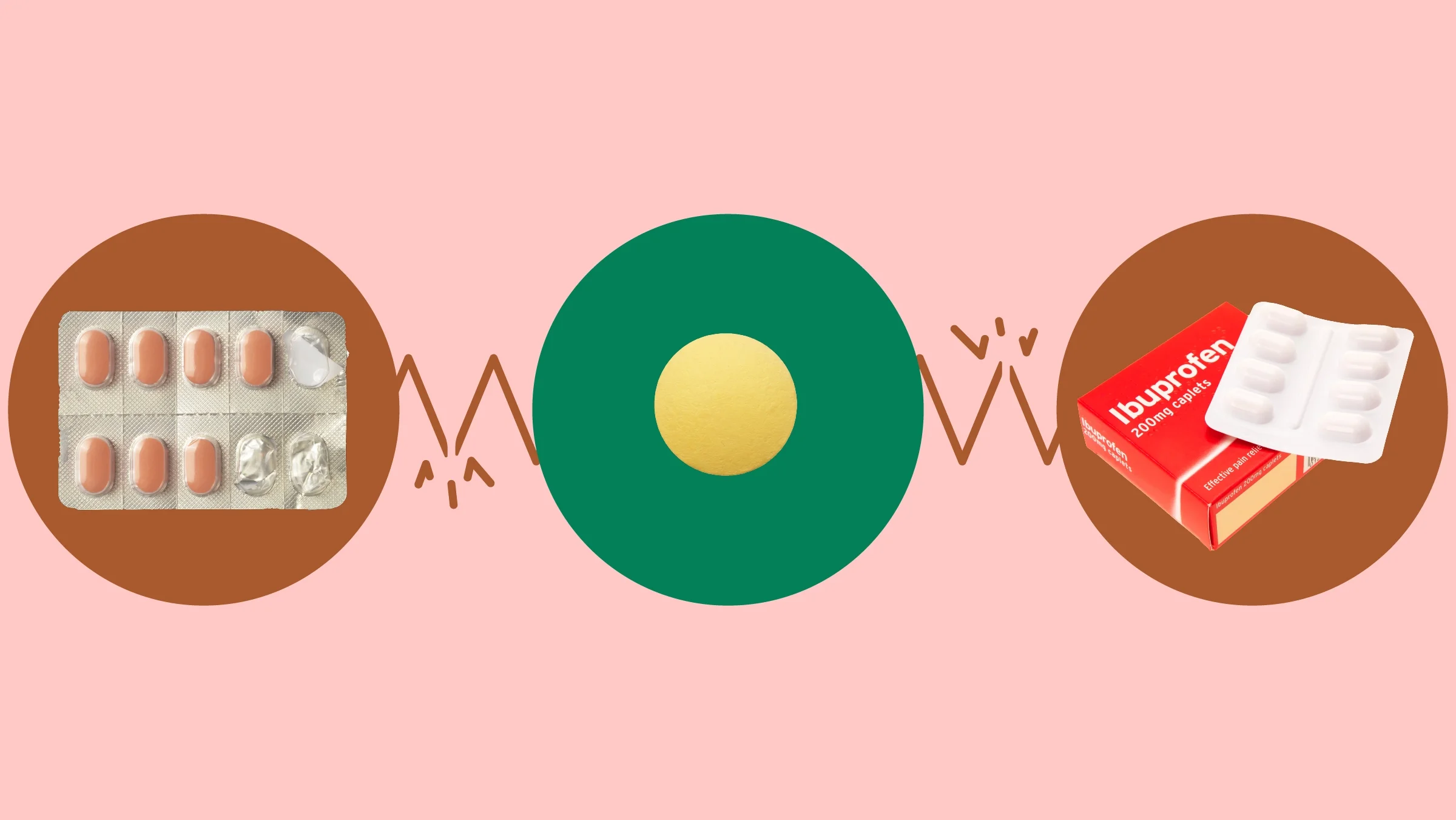
Meloxicam (Mobic) is a prescription nonsteroidal anti-inflammatory drug (NSAID). Several medications and substances interact with it.
You should avoid taking meloxicam with alcohol, blood thinners, or other NSAIDs. These combinations raise your risk for stomach ulcers and bleeding.
Other meloxicam interactions include some antidepressants and certain blood pressure medications. Meloxicam can also raise lithium (Lithobid) and methotrexate (Trexall) levels. Your prescriber may OK these combinations in some cases, but you should keep an eye out for signs that an interaction is causing a problem.
Meloxicam (Mobic) is a prescription nonsteroidal anti-inflammatory drug (NSAID). It reduces pain and swelling caused by osteoarthritis (OA) and rheumatoid arthritis (RA).
It’s helpful to know about the risks of meloxicam before you start taking it. This includes what medications and substances it can interact with.
Meloxicam interactions at a glance
Below is a list of possible meloxicam interactions to be aware of. It’s not a complete list, so make sure to share your updated medication list with your prescriber and pharmacist before starting meloxicam. It’s also a good idea to check with them before taking any new prescription or over-the-counter (OTC) medications while you’re taking meloxicam. They can check for interactions and help you avoid combinations that may be unsafe.
Search and compare options
Meloxicam interactions include:
Other NSAIDs, such as ibuprofen (Motrin, Advil) or aspirin
Alcohol
Diuretics (or “water pills”)
Some blood pressure medications, such as beta blockers and angiotensin converting enzyme (ACE) inhibitors
Lithium (Lithobid)
Methotrexate (Trexall)
Pemetrexed (Alimta)
Cyclosporine (Sandimmune, Gengraf)
Let’s take a closer look at seven meloxicam interactions you should be aware of.


1. Ibuprofen, aspirin, and other NSAIDs
Common OTC NSAIDs include ibuprofen, naproxen (Aleve, Naprosyn), and aspirin. You shouldn’t take meloxicam and ibuprofen (or other NSAIDs) together unless your prescriber tells you to.
Taking more than one NSAID isn’t likely to improve your symptoms more than taking just one. But it can raise your risk of side effects, such as stomach ulcers and bleeding.
Keep in mind that NSAIDs are often included in OTC cold and flu medications and sleep aids. Check the label carefully or ask a pharmacist for assistance to make sure you aren’t taking extra NSAIDs you may not be aware of.
If meloxicam isn’t working well for your pain on its own, talk to your prescriber. They can recommend a medication that’s safe to take along with it. Or they may want you to try a different medication to manage your arthritis symptoms.
2. Alcohol
It’s best to avoid combining meloxicam and alcohol. Drinking alcohol while taking NSAIDs (including meloxicam) raises your risk of gastrointestinal (GI) bleeds and ulcers. This is especially true if you have a history of peptic ulcer disease (PUD) or GI bleeding.
If you’re concerned about your ability to avoid alcohol while taking meloxicam, speak with your healthcare team. They can help you find ways to reduce your drinking, if needed. Or they can suggest an alternative to meloxicam that’s safer for you.

Meloxicam side effects: Learn about common and rare meloxicam side effects and how to manage them.
What’s it like to take meloxicam? Read first-hand accounts of how it feels to take meloxicam.
Meloxicam vs. ibuprofen: Here’s how these two anti-inflammatory medications compare.
3. Blood thinners
Blood thinners are medications that treat and prevent unwanted blood clots. They include anticoagulant and antiplatelet medications. Meloxicam isn’t considered a blood thinner, but it can make it harder for your blood to clot. Combining meloxicam with blood thinners can raise your risk of bleeding. The combination can also raise the risk of a heart attack if you’ve had one in the past. So it’s best to avoid taking meloxicam and blood thinners at the same time.
Examples of common blood thinners include:
Apixaban (Eliquis)
Dabigatran (Pradaxa)
Rivaroxaban (Xarelto)
Warfarin (Coumadin, Jantoven)
Clopidogrel (Plavix)
Prasugrel (Effient)
Ticagrelor (Brilinta)
Let your prescriber know if you’re taking a blood thinner before starting meloxicam. A different pain reliever may be a safer option for you.
4. Certain blood pressure medications
Meloxicam may make some blood pressure medications less effective. Taking meloxicam with certain blood pressure medications can also raise your risk of kidney damage. Meloxicam and other NSAIDs can restrict blood flow to the kidneys. Taking them with blood pressure medications that run through the kidneys may lead to acute (sudden) kidney injury.
Blood pressure medications that can interact with meloxicam include:
Angiotensin II receptor blockers (ARBs), such as losartan (Cozaar)
ACE inhibitors, such as lisinopril (Zestril)
Beta blockers, such as metoprolol (Lopressor, Toprol XL)
Diuretics, such as hydrochlorothiazide and furosemide (Lasix)
Your prescriber may suggest avoiding meloxicam if you take certain blood pressure medications. But they may still prescribe both medications despite the interaction. In this case, they may keep a closer eye on your blood pressure and kidney function in case any issues occur.
5. Certain antidepressants, such as SSRIs and SNRIs
Some antidepressants can raise your risk of bleeding. If you take them with meloxicam, your bleeding risk goes up, since both medications have this potential side effect.
Antidepressants that can raise your bleeding risk include:
SSRIs, such as sertraline (Zoloft) and escitalopram (Lexapro)
SNRIs, such as venlafaxine (Effexor XR) and duloxetine (Cymbalta)
It’s likely OK to take meloxicam with these antidepressants. But make sure your prescriber OKs it, and keep an eye out for signs of bleeding. Report mild bleeding, such as when brushing your teeth, to your prescriber. But for severe bleeding, such as blood in your urine, stool, or vomit, seek emergency care right away.
6. Lithium
Lithium is a mood stabilizer that treats certain mental health conditions. Many medications interact with lithium, including NSAIDs. Meloxicam slows the rate at which your kidneys get rid of lithium. This can increase lithium levels in your body and raise your risk of lithium side effects, including lithium toxicity.
You may be able to take meloxicam and lithium together if your prescriber OKs it. But your prescriber may check your lithium levels more often to make sure they’re within a safe range. Be sure to keep your regular appointments so they can catch any issues that arise.
Signs of high lithium levels can include confusion, slurred speech, or blurred vision. In severe cases, you may experience blackouts or seizures. Seek immediate medical attention if you notice any signs or symptoms of high lithium levels.
7. Methotrexate
Like meloxicam, methotrexate is often prescribed for RA symptoms. But these medications can interact with one another.
Meloxicam can raise methotrexate levels in your body. As with lithium, this can raise the risk of methotrexate side effects or toxicity. It’s best to avoid taking meloxicam with high doses of methotrexate. But your prescriber may recommend both medications, especially if you’re taking a low methotrexate dosage.
If you’re taking meloxicam and methotrexate, keep an eye out for any side effects of this interaction, such as nausea or diarrhea. If your symptoms seem severe or life-threatening, call 911 or seek emergency care.
Frequently asked questions
It’s likely safe to take Tylenol (acetaminophen) with meloxicam. Tylenol isn’t an NSAID, so it shouldn’t raise your risk of bleeding or stomach ulcers if you take it with meloxicam. But if meloxicam isn’t working well for your pain, it’s best to let your prescriber know before taking additional pain medication. There could be something else going on that requires expert care.
Meloxicam lasts in your body for quite some time after taking it. It can take 3 to 4 days to clear meloxicam after your last dose. So it’s best to wait at least 4 days after your last meloxicam dose to drink alcohol. But keep in mind that alcohol has other risks and interactions to consider. So it’s best to talk to your prescriber about whether a drink or two may be safe for you on occasion.
You should only take meloxicam and prednisone together if your prescriber tells you to. Prednisone is a corticosteroid (steroid) used to treat a variety of conditions. Taking meloxicam or other NSAIDs and prednisone together can raise your risk of side effects, such as stomach ulcers or bleeding. In some cases, though, it’s medically necessary to take both. Taking these medications with food may lower the risk of stomach issues.
Grapefruit or its juice may raise meloxicam levels in your system. This can increase your risk of side effects. But this interaction hasn’t been studied enough, so it’s unclear how risky the combination is. If grapefruit or grapefruit juice is part of your daily routine, let your prescriber know. They can help determine if meloxicam is a safe option for you.
It’s likely safe to take Tylenol (acetaminophen) with meloxicam. Tylenol isn’t an NSAID, so it shouldn’t raise your risk of bleeding or stomach ulcers if you take it with meloxicam. But if meloxicam isn’t working well for your pain, it’s best to let your prescriber know before taking additional pain medication. There could be something else going on that requires expert care.
Meloxicam lasts in your body for quite some time after taking it. It can take 3 to 4 days to clear meloxicam after your last dose. So it’s best to wait at least 4 days after your last meloxicam dose to drink alcohol. But keep in mind that alcohol has other risks and interactions to consider. So it’s best to talk to your prescriber about whether a drink or two may be safe for you on occasion.
You should only take meloxicam and prednisone together if your prescriber tells you to. Prednisone is a corticosteroid (steroid) used to treat a variety of conditions. Taking meloxicam or other NSAIDs and prednisone together can raise your risk of side effects, such as stomach ulcers or bleeding. In some cases, though, it’s medically necessary to take both. Taking these medications with food may lower the risk of stomach issues.
Grapefruit or its juice may raise meloxicam levels in your system. This can increase your risk of side effects. But this interaction hasn’t been studied enough, so it’s unclear how risky the combination is. If grapefruit or grapefruit juice is part of your daily routine, let your prescriber know. They can help determine if meloxicam is a safe option for you.
The bottom line
Meloxicam (Mobic) is a prescription nonsteroidal anti-inflammatory drug (NSAID). Taking meloxicam with alcohol or other NSAIDs can raise your risk of stomach ulcers. There’s an increased risk of bleeding if you take meloxicam with blood thinners and some antidepressants.
Meloxicam interacts with some blood pressure medications. It can make them less effective and raise your risk of kidney problems. Lithium (Lithobid) and methotrexate (Trexall) levels may go up if you take them with meloxicam. Your prescriber may OK these combinations, but they’ll likely keep an eye out for signs that a meloxicam interaction is causing a problem. Be sure to keep your regular appointments to help protect your health.

Why trust our experts?




References
American College of Cardiology. (2020). Concomitant NSAID treatment after MI.
DrugBank. (2025). Meloxicam.
Ghlichloo, I., et al. (2023). Nonsteroidal anti-inflammatory drugs (NSAIDs). StatPearls.
Hou, P., et al. (2020). Risk of intracranial hemorrhage with concomitant use of antidepressants and nonsteroidal anti-inflammatory drugs: A nested case-control study. Annals of Pharmacotherapy.
MedlinePlus. (2024). Blood thinners.
National Kidney Foundation. (2024). Acute kidney injury (AKI).
Remedy Repack. (2025). MELOXICAM- meloxicam tablet [package insert].
U.S. Food and Drug Administration. (2021). Grapefruit juice and some drugs don't mix.
Zeiss, R., et al. (2021). Risk of bleeding associated with antidepressants: Impact of causality assessment and competition bias on signal detection. Frontiers in Psychiatry.