indapamide
Indapamide is an oral tablet that's used to lower blood pressure and ease swelling (edema) caused by heart failure. Typically, the dose is once daily in the morning. Some common indapamide side effects of this medication include dizziness and feeling weak, which can put older adults at higher risk of falling. Indapamide is only available as a generic medication since the brand name (Lozol) has been discontinued.


What is Indapamide?
What is Indapamide used for?
- High blood pressure
- Swelling (edema) due to heart failure
How Indapamide works
Indapamide is a thiazide-like diuretic, also known as a water pill. It works in the kidneys to get rid of extra water and electrolytes (like sodium and potassium), which brings down swelling and lowers blood pressure. It also relaxes your blood vessels, which helps to lower your blood pressure more.
Drug facts
| Common Brands | Lozol |
|---|---|
| Drug Class | Thiazide-like diuretic (water pill) |
| Controlled Substance Classification | Not a controlled medication |
| Generic Status | Lower-cost generic available |
| Availability | Prescription only |

Side effects of Indapamide
The following side effects may get better over time as your body gets used to the medication. Let your healthcare provider know immediately if you continue to experience these symptoms or if they worsen over time.
Common Side Effects
These side effects have been reported in up to 5% of people:
- Headache
- Body and back pain
- Dizziness
- Stuffy nose
- Feeling weak or having low energy
- Muscle cramps
- Feeling nervous, anxious, or irritable
Less Common Side Effects
- Drowsiness
- Trouble sleeping
- Feeling depressed
- Blurry vision
- Constipation
- Diarrhea
- Nausea
- Vomiting
- Belly pain
- Chest pain
- Indigestion
- Cough
- Throat pain
- Pink eye
- Weight loss
- Irregular heart beat
- Urinating more often
- Tingling sensation
- Dry mouth
The following Indapamide side effects have also been reported
Along with its needed effects, a medicine may cause some unwanted effects. Although not all of these side effects may occur, if they do occur they may need medical attention.
Check with your doctor immediately if any of the following side effects occur:
More common
Agitation
black, tarry stools
cough or hoarseness
dark urine
dizziness
fever or chills
headache
irritability
light-colored stools
lower back or side pain
muscle cramps or spasms
painful or difficult urination
sores, ulcers, or white spots in the mouth or on the lips
stuffy or runny nose
swollen glands
unusual bleeding or bruising
unusual tiredness or weakness
yellow eyes and skin
Less common
Blurred vision
body aches or pain
burning, dry, or itching eyes
change in consciousness
cold sweats
confusion
decreased urine output
discharge, excessive tearing
discouragement
dizziness, faintness, or lightheadedness when getting up suddenly from a lying or sitting position
drowsiness
dryness or soreness of the throat
excessive muscle tone
fast, irregular, pounding, or racing heartbeat or pulse
feeling sad or empty
flushed, dry skin
fruit-like breath odor
increased hunger, thirst, and urination
increased urge to urinate during the night
increased volume of pale, dilute urine
joint pain, stiffness, or swelling
lack of appetite
loss of interest or pleasure
lower back, side, or stomach pain
mood changes
muscle pain, cramps, tension, stiffness, or tightness
nervousness
pain or tenderness around the eyes and cheekbones
redness, pain, swelling of the eye, eyelid, or inner lining of eyelid
sugar in the urine
sweating
swelling of the face, feet, lower legs, ankles, or hands
tender, swollen glands in the neck
tightness in the chest
trouble breathing
trouble concentrating
trouble in swallowing
trouble sleeping
voice changes
waking to urinate at night
Some side effects may occur that usually do not need medical attention. These side effects may go away during treatment as your body adjusts to the medicine. Also, your health care professional may be able to tell you about ways to prevent or reduce some of these side effects. Check with your health care professional if any of the following side effects continue or are bothersome or if you have any questions about them:
More common
Back pain
blistering, peeling, loosening of the skin
increased sensitivity of skin to sunlight
red irritated eyes
red skin lesions, often with a purple center
redness or other discoloration of the skin
severe sunburn
Less common
Acid or sour stomach
belching
bloating or swelling of the face, arms, hands, lower legs, or feet
decreased interest in sexual intercourse
hives or rash
inability to have or keep an erection
indigestion
lack or loss of strength
loss in sexual ability, desire, drive, or performance
rapid weight gain
stomach discomfort or upset
tingling of the hands or feet
unusual weight gain or loss
Other side effects not listed may also occur in some patients. If you notice any other effects, check with your healthcare professional.
Call your doctor for medical advice about side effects. You may report side effects to the FDA at 1-800-FDA-1088.

Get your GoodRx coupon

Pros and cons of Indapamide
Pros
- Works well to control blood pressure compared to other medications in the same class
- Is an option if you have both high blood pressure and heart failure
- Only taken once a day by mouth
- Available as a lower-cost generic medication
Cons
- Can cause low levels of important electrolytes, such as sodium and potassium
- Requires routine blood tests to check electrolytes and kidney function
- Might not be safe for people with severe kidney problems
- Not recommended if for people with allergies to "sulfa" medications

Pharmacist tips for Indapamide

- Indapamide works to lower your blood pressure, but this can cause dizziness and lightheadedness. These are more likely to happen if you're suddenly standing up from a sitting or lying down position. Make sure to get up slowly from these positions after taking indapamide. Tell your provider if you experience fainting or dizziness while taking this medication.
- Indapamide is a water pill that makes you urinate more often. Taking it in the morning will make it less likely for you to wake up in the middle of the night to use the bathroom.
- If you're using indapamide to lower blood pressure and it's not enough on its own, your provider might prescribe additional blood pressure-lowering medications.
- If you have diabetes, you might need to monitor your blood sugar levels more often when starting indapamide. This is because indapamide can raise your blood sugar levels and possibly worsen your diabetes. Let your provider know if there are changes to your blood sugar levels during treatment with this medication. Your provider might need to adjust the dose of your diabetic medications to help better control your blood sugar.
- Sometimes, people with a "sulfa" allergy might also be allergic to indapamide. Let your provider or pharmacist know if you've had allergic reactions to any medications in the past.

Risks and warnings for Indapamide
Indapamide can cause some serious health issues. This risk may be even higher for certain groups. If this worries you, talk to your doctor or pharmacist about other options.
Electrolyte and fluid imbalance
- Risk factors: Kidney problems | Liver problems | Women | Older adults | Taking higher doses of indapamide | Taking corticosteroids | Parathyroid problems
Indapamide can cause low levels of fluid (dehydration) and electrolytes (e.g., sodium, potassium, magnesium, or chloride). Sometimes, these changes might worsen liver or kidney problems. If you have severe liver problems, these changes can even result in a coma. Let your provider know if you experience dry mouth, thirst, weakness, tiredness, drowsiness, muscle pain, dizziness, fast heart rate, vomiting, or nausea. These can be symptoms of dehydration.
Also rarely, taking thiazide-like diuretics, like indapamide, can raise your blood calcium levels. In some cases, this might be a sign of a problem with your parathyroid. If your provider wants to test your parathyroid function, you'll need to stop taking indapamide. Make sure to tell your provider about all the medications you're taking before getting any tests or lab work done.
Gout
- Risk factors: Personal or family history of gout | Kidney problems
Indapamide can raise uric acid levels in your body and cause or worsen gout. If you have had gout attacks before or have problems with your kidneys, your risk is higher. Talk to your healthcare provider right away if you notice that your joints are swollen, red, and painful.
High blood sugar level
- Risk factor: Diabetes
Indapamide might raise your blood sugar. If you already have diabetes, check your blood sugar regularly and let your provider know if it's consistently higher or lower than usual. Your provider will adjust the dose of your diabetic medications as needed.
Vision problems
- Risk factor: Sulfa or penicillin allergies
Vision changes can happen within hours or weeks after starting indapamide. Tell your doctor right away about any vision changes or eye pain and stop taking indapamide as soon as possible. In some cases, surgery might be required to avoid permanent vision loss.
Allergic reactions
- Risk factor: Sulfa allergies
People with allergies to other sulfa medications might experience similar reactions with indapamide. Make sure your provider and pharmacist know about all of your medication allergies, especially if they are severe. Stop taking indapamide and get medical attention right away if you notice a rash or other signs of allergic reaction.

Indapamide dosage


Interactions between Indapamide and other drugs
Although certain medicines should not be used together at all, in other cases two different medicines may be used together even if an interaction might occur. In these cases, your doctor may want to change the dose, or other precautions may be necessary. When you are taking this medicine, it is especially important that your healthcare professional know if you are taking any of the medicines listed below. The following interactions have been selected on the basis of their potential significance and are not necessarily all-inclusive.
Using this medicine with any of the following medicines is usually not recommended, but may be required in some cases. If both medicines are prescribed together, your doctor may change the dose or how often you use one or both of the medicines.
- Aceclofenac
- Acemetacin
- Acetyldigoxin
- Amtolmetin Guacil
- Arsenic Trioxide
- Aspirin
- Bromfenac
- Bufexamac
- Celecoxib
- Choline Salicylate
- Clonixin
- Deslanoside
- Desmopressin
- Dexibuprofen
- Dexketoprofen
- Diclofenac
- Diflunisal
- Digitalis
- Digitoxin
- Digoxin
- Dipyrone
- Dofetilide
- Droperidol
- Droxicam
- Etodolac
- Etofenamate
- Etoricoxib
- Felbinac
- Fenoprofen
- Fepradinol
- Feprazone
- Floctafenine
- Flufenamic Acid
- Flurbiprofen
- Ibuprofen
- Indomethacin
- Ketanserin
- Ketoprofen
- Ketorolac
- Levomethadyl
- Lithium
- Lornoxicam
- Loxoprofen
- Lumiracoxib
- Meclofenamate
- Mefenamic Acid
- Meloxicam
- Metildigoxin
- Morniflumate
- Nabumetone
- Naproxen
- Nepafenac
- Niflumic Acid
- Nimesulide
- Nimesulide Beta Cyclodextrin
- Oxaprozin
- Oxyphenbutazone
- Parecoxib
- Phenylbutazone
- Piketoprofen
- Piroxicam
- Proglumetacin
- Propyphenazone
- Proquazone
- Rofecoxib
- Salicylic Acid
- Salsalate
- Sodium Salicylate
- Sotalol
- Sulindac
- Tenoxicam
- Tiaprofenic Acid
- Tolfenamic Acid
- Tolmetin
- Valdecoxib
Using this medicine with any of the following medicines may cause an increased risk of certain side effects, but using both drugs may be the best treatment for you. If both medicines are prescribed together, your doctor may change the dose or how often you use one or both of the medicines.
- Aminolevulinic Acid
- Gossypol
- Licorice

How much does Indapamide cost?
$10.00

Indapamide contraindications
Contraindications are specific health conditions or situations in which a person should not take a medication due to safety concerns. If you have any of the following conditions or if any of the following apply to you, let your healthcare provider know because Indapamide will not be safe for you to take.
- Having trouble urinating
- History of allergies to sulfa medications

What are alternatives to Indapamide?

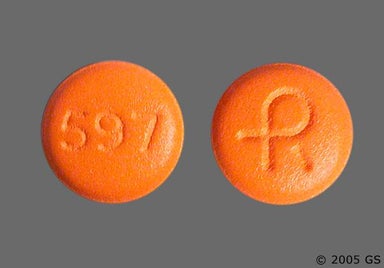
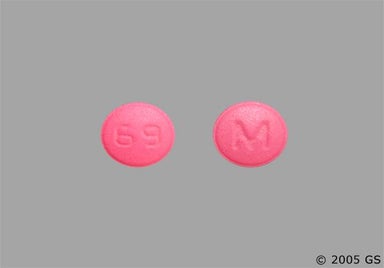
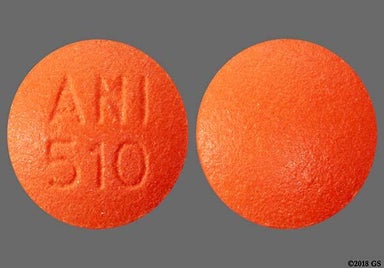
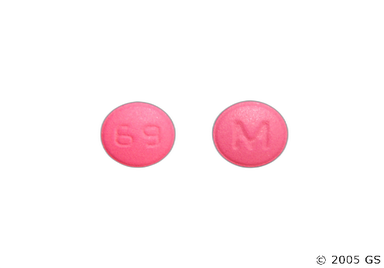
Indapamide images