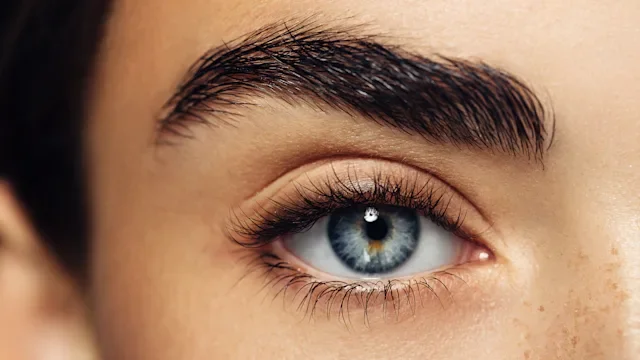
Your eyelashes help protect your eyes from things like dust and dirt. If you have low eyelash growth, one medication that can help is Latisse (bimatoprost). In this video, learn how to apply Latisse correctly to improve treatment outcomes and minimize side effects.
Alyssa Billingsley, PharmD, is a pharmacist on the GoodRx team with a decade of experience. She is also an adjunct faculty at St. Louis College of Pharmacy, where she graduated with a doctorate in pharmacy. She is licensed to practice in Missouri and is a member of the National Council of Prescription Drug Programs (NCPDP) and the Healthcare Information and Management Systems Society (HIMSS). Prior to GoodRx, Alyssa worked in both clinical and administrative roles. She was recognized with the Distinguished Alumnus Outstanding Achievement Award in 2017 for her work in developing pharmacy programs to expand patient access to quality medications.
References
Akorn. (2023). Bimatoprost solution [package insert]. DailyMed.
Borchert, M., et al. (2016). An evaluation of the safety and efficacy of bimatoprost for eyelash growth in pediatric subjects. Clinical Ophthalmology.
Boyd, K., et al. (2019). Latisse (bimatoprost) ophthalmic solution. American Academy of Ophthalmology.
Fagien, S. (2010). Management of hypotrichosis of the eyelashes: Focus on bimatoprost. Clinical, Cosmetic and Investigational Dermatology.
Latisse. n.d. How to use.
Law, S.K. (2010). Bimatoprost in the treatment of eyelash hypotrichosis. Clinical Ophthalmology.
Riahi, R. R., et al. (2018). Topical treatment of eyebrow hypotrichosis with bimatoprost 0.03% solution: Case report and literature review. Cureus.
Wirta, D., et al. (2015). Bimatoprost 0.03% for the treatment of eyelash hypotrichosis: A pooled safety analysis of six randomized, double-masked clinical trials. Journal of Clinical and Aesthetic Dermatology.

Why trust our experts?