

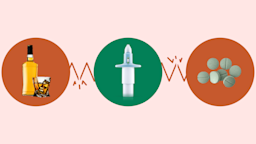
6 Spravato Interactions to Watch Out for And How to Manage Them
Spravato (esketamine) is a nasal spray used to treat depression. Here are six drug interactions to be cautious of when taking Spravato.
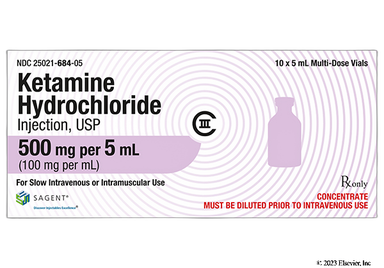
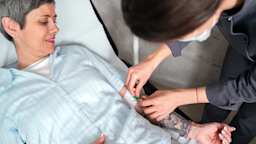
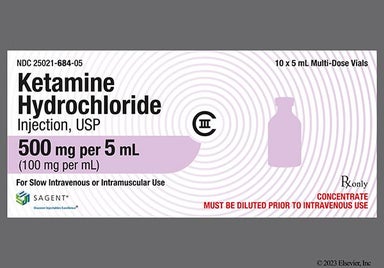
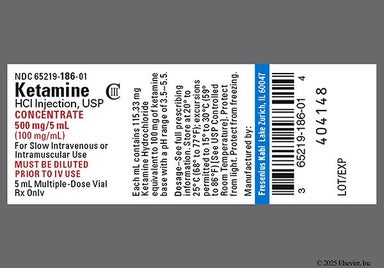
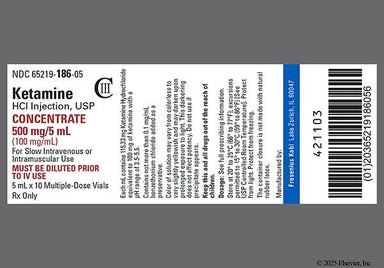
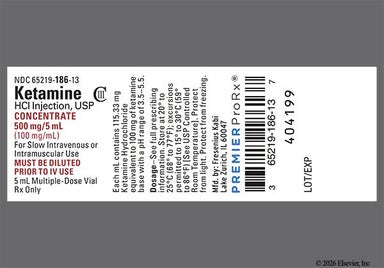
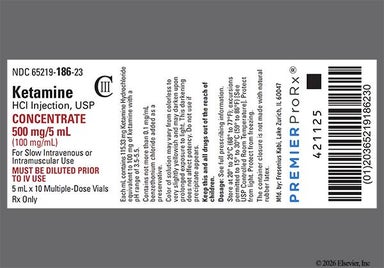
Ketamine (Ketalar) is a medication that's injected into the muscle or infused into the vein before a surgery or procedure to help you sleep so you don't feel pain. This is called general anesthesia. Ketamine (Ketalar) can only be given by a trained healthcare provider who can monitor your breathing and vital signs during your treatment.

| Common Brands | Ketalar |
|---|---|
| Drug Class | Anesthetic |
| Controlled Substance Classification | Schedule III |
| Generic Status | No lower-cost generic available |
| Availability | Prescription only |

Ketamine (Ketalar) can cause some serious health issues. This risk may be even higher for certain groups. If this worries you, talk to your doctor or pharmacist about other options.
Ketamine (Ketalar) can often cause temporary changes in blood pressure and heart rate. Some people can also experience an irregular heartbeat and other heart problems with this medication. Your provider will check your vital signs and heart while you receive ketamine (Ketalar).
Ketamine (Ketalar) can make some people feel confused or distressed after waking up from their surgery or procedure. This medication can also cause you to have hallucinations (see or feel things that aren't real) or feel like you're in a dream-like state, which can lead to confusion, excitement, or acting without logical thinking. This effect can last a few hours depending on your ketamine (Ketalar) dose and how the medication was given. To lower the chances of having these reactions, your provider might give you other medications as part of anesthesia or make sure the room is quiet when you're waking up from your surgery or procedure.
Receiving too much ketamine (Ketalar) or too fast can cause breathing problems. Your provider will monitor your breathing and oxygen level during your treament. They'll adjust your dose appropriately to prevent this from happening.
It's unclear if ketamine (Ketalar) is safe for pregnant women, their unborn babies, and children under 16 years old. Anesthetic medications can be necessary for certain surgeries or procedures, depending on the risks and benefits. Discuss with your or your child's provider about how safe ketamine (Ketalar) is for your child.
Ketamine (Ketalar) might raise the risk of liver problems if it's used repeatedly. Your provider will monitor your liver function if you need to receive this medication often or repeatedly.
Ketamine (Ketalar) can interact with certain medications, so let your providers know all of the medications that you currently take before you come in for your procedure or surgery. Taking ketamine (Ketalar) together with theophylline or aminophylline can make it easier to have a seizure. Other medications can make the effects of ketamine (Ketalar) stronger. When ketamine (Ketalar) is used with medications that slow down the body, such as opioids, benzodiazepines, or alcohol, it can lead to excessive sleepiness, breathing problems, coma, and death. Depending on the medications you need to receive with ketamine (Ketalar), your provider might adjust your dose and monitor you more closely to make sure it's safe for you.




Prescription savings
Stop paying too much for your prescriptions. Compare prices, get pharmacy coupons, and save up to 80%. Find expert answers to your health questions so you can make the best decisions for yourself and your family.
Health conditions
Medications & treatment
Access & affordability
Medication discounts

Ketamine is an injectable medication used to put you to sleep and prevent you from feeling pain before a surgery or procedure. It can be used by itself or with other medications for anesthesia. Your provider will determine your dose based on your body weight and the type of procedure that you're getting.
No, Ketamine doesn't relax the muscles. If your surgery or procedure requires your muscles to be relaxed, your provider may give you other medications to do so as part of your anesthesia.
Side effects of Ketamine can include pain and redness at the injection site, skin rash or skin redness, nausea, vomiting, and a loss of appetite. It can also cause changes in blood pressure or heart rate, as well as muscle spasms. Other side effects include confusion, mental and behavioral problems, breathing problems, and eye and vision problems. Although rare, some people can experience anaphylaxis (severe allergic reaction) with Ketamine.
Since Ketamine can make you sleepy, don't drive, operate any machinery, or perform any activities that require your full attention for at least 24 hours after receiving this medication. There's a chance that you can be in a dream-like state for a few hours after you wake up from your procedure.
Ketamine is a controlled medication because of the risk for abuse, misuse, and dependence. Abuse is when the medication is purposely used for a non-medical reason, like the feeling of pleasure or happiness (euphoria). Misuse is when the medication is taken for reasons other than prescribed. Abusing and misusing Ketamine can cause anxiety, unhappiness, confusion, trouble sleeping, and hallucinations (seeing or hearing things that aren't there). In addition, taking Ketamine at higher doses or for a long time might lead to dependence. This is when your body depends on the medication to function properly, which can cause withdrawal symptoms if you stop taking it suddenly. Withdrawal symptoms can include craving, tiredness, poor appetite, and anxiety. To prevent these risks, your provider will make sure you're receiving Ketamine at the right dose for the right amount of time. If you have a history of substance abuse or misuse, speak to your provider before receiving Ketamine, and they can determine a safer option for you.
