iopamidol
Iopamidol (Isovue) is a contrast agent that helps imaging tests show blood vessels, organs, and the space in your spine more clearly. It's used in adults and children for procedures like CT-scans and X‑rays. Depending on the test, it might be given by mouth or injected into your vein, artery, or spine. It's given by a healthcare professional just before or during your imaging test. Common side effects include pain or warmth at the injection site, a hot flush, or nausea.


What is Iopamidol (Isovue)?
What is Iopamidol (Isovue) used for?
- Blood vessel imaging in the brain, heart, arms and legs, and other organs
- Kidney and urinary tract imaging
- Imaging of the head and body
- Imaging of the spine and brain
- Imaging of the gut
How Iopamidol (Isovue) works
Iopamidol (Isovue) is a contrast agent. It contains iodine, which strongly blocks X‑rays. As it moves through your bloodstream, mixes with spinal fluid, or passes through your gut, it makes these areas appear brighter on X-ray or CT images. This helps your clinician see more detail and better diagnose your condition.
Drug facts
| Common Brands | Isovue, Isovue-M |
|---|---|
| Drug Class | Diagnostic agent |
| Controlled Substance Classification | Not a controlled medication |
| Generic Status | No lower-cost generic available |
| Availability | Prescription only |

Side effects of Iopamidol (Isovue)
The following side effects may get better over time as your body gets used to the medication. Let your healthcare provider know immediately if you continue to experience these symptoms or if they worsen over time.
Common Side Effects
Injected into the spine
- Headache (16%)
- Nausea (7%)
- Vomiting (4%)
- Back pain (2%)
- Leg pain (1%)
- Neck pain (1%)
- Low blood pressure (1%)
Injected into vein or artery
- Pain (3%)
- Hot flashes (2%)
- Burning sensation (1%)
- Nausea (1%)
- Warmth (1%)
Less Common Side Effects
- Fast heart rate
- Change in taste
- Stuffy nose
- Chills
- Rash
- Low appetite
- Diarrhea
Iopamidol (Isovue) serious side effects
Contact your healthcare provider immediately if you experience any of the following.
- Serious allergic and skin reaction: hives, rash, blisters, skin peeling, itching, swelling of face/lips/tongue, wheezing, trouble breathing, low blood pressure, fainting
- Kidney problems: little or no urine, leg or ankle swelling, sudden weight gain, unusual tiredness
- Heart problems: chest pain, fast or slow heartbeat, shortness of breath, fainting
- Blood clots: sudden weakness on one side, trouble speaking, chest pain
- Injection leak under the skin: severe arm or hand pain, swelling, blisters, skin color changes
- Thyroid problems: poor feeding in babies, constipation, unusual sleepiness, low body temperature

Pros and cons of Iopamidol (Isovue)
Pros
- Many FDA‑approved imaging uses
- Can be used in adults and children
- Typically given as one dose
Cons
- Can cause serious allergic reactions
- Can worsen kidney function
- Can trigger thyroid problems

Pharmacist tips for Iopamidol (Isovue)

- Tell your care team about any allergies before you get iopamidol (Isovue). This helps them plan ways to lower your risk of a reaction. Get help right away if you have a rash, hives, or trouble breathing.
- Try to drink plenty of fluids before and after you get iopamidol (Isovue). Staying hydrated can help protect your kidney and clear the contrast from your body.
- Tell your care team if you take metformin. Depending on your kidney health, they might have you pause taking it until after your procedure. Follow their instructions carefully.
- If your young child gets iopamidol (Isovue) by injection, ask about thyroid testing. This is usually checked within about 3 weeks, especially for babies or children with certain health risks.
- Iopamidol (Isovue) can cause injection site reactions, like pain or swelling. These usually go away in a few days. Call your care team if symptoms get worse, or if you notice blisters or skin color changes.
- If iopamidol (Isovue) leaks under the skin during injection, symptoms can worsen over time. Get medical care right away if you notice increasing pain, swelling, or skin changes.
- Share a full list of your medications before getting iopamidol (Isovue). It can affect some thyroid tests and radioactive iodine treatments for several weeks. Your care team might need to adjust timing.
- Breastfeeding: If you’re breastfeeding and need iopamidol (Isovue), talk to your care team. They might suggest saving milk ahead of time and avoiding breastfeeding for about 10 hours after your dose.

Risks and warnings for Iopamidol (Isovue)
Iopamidol (Isovue) can cause some serious health issues. This risk may be even higher for certain groups. If this worries you, talk to your doctor or pharmacist about other options.
Risks with injecting Isovue into the spine
 The brand Isovue and its generics are only meant to be given by mouth or injected into a vein or artery. If they are injected into the spine (even by mistake), they can cause serious harm, including seizures, coma, paralysis, brain swelling, or death. Your care team will follow strict safety checks to prevent this. On the other hand, the brand Isovue-M and its generics are approved for injection into the spine.
Serious allergic and skin reactions
- Risk factors: History of allergic reaction to contrast agent | Asthma | Food allergies | History of serious skin reaction
Allergic reactions can happen during or after iopamidol (Isovue). Some reactions can be life-threatening, such as anaphylaxis (closing of the throat). Most reactions occur within a few minutes, but they can also happen later. Even if you get other medications ahead of time to lower your risk, serious reactions can still happen. If you experience hives, swelling in your face or throat, or trouble breathing, get medical help right away.
Iopamidol (Isovue) can also cause rare but serious skin reactions, such as Steven-Johnson syndrome or drug reaction with eosinophilia and systemic symptoms (DRESS). These reactions can start within hours or up to several weeks after you receive the medication. Symptoms include severe rashes, skin peeling, or other serious skin problems. Your risk might be higher if you’ve had a reaction like this before, and it may happen faster or be more severe if you get the medication again. Tell your care team about any past severe skin reactions, and get medical help right away if you notice a rash or skin changes.
Kidney problems
- Risk factors: History of kidney problems | Dehydration | Diabetes | Heart failure | Blood vessel problems | Older adult | Taking medications that can cause kidney problems | Multiple myeloma | Having high amounts of certain proteins in blood (paraproteinemia) | Repeated or large doses of iopamidol (Isovue)
Contrast dye products like iopamidol (Isovue) can cause serious kidney problems, which can be life-threatening. Your risk is higher if you're an older adult, have diabetes, or take medications that can harm the kidneys.
Make sure you stay well hydrated before and after your test. Your care team might check your kidney health with lab tests and watch for warning signs of kidney problems. Tell them right away if you notice less urination, swelling, sudden weight gain, or unusual tiredness.
Heart problems
- Risk factors: History of heart problems such as heart failure | History of kidney problems | History of liver problems | Repeated or large doses of iopamidol (Isovue)
Iopamidol (Isovue) can put extra strain on your heart and blood flow, especially if you have heart failure or kidney problems. In rare cases, it can cause serious heart problems like abnormal heart rhythms or heart attack, usually within minutes after the injection. Your risk is higher if you already have heart or blood vessel problems or receive large or repeated doses of iopamidol (Isovue).
Iopamidol (Isovue) can also cause fluid buildup in the lungs in people with heart failure. Your care team will use the lowest dose needed, monitor you closely, and have emergency equipment ready during your test.
Blood clots
- Risk factors: Longer procedures | Use of certain catheter and syringes | Certain conditions | Taking medications that can cause heart problems
Though rare, receiving iopamidol (Isovue) during heart imaging can raise your risk of blood clots, which can lead to heart attack or stroke. Your risk might be higher depending on your health conditions, the medications you take, and how long the procedure lasts.
Tell your care team right away if you have chest pain, trouble breathing, or sudden weakness in your face, arms, or legs.
Leakage and injection site reactions
- Risk factors: History of serious blood vessel problems
Iopamidol (Isovue) can sometimes leak out of the blood vessel during injection, especially if you have blood vessel problems. This can cause pain, swelling, or more serious skin damage like blisters or tissue injury in rare cases. Iopamidol (Isovue) can also cause injection site reactions, such as pain, redness, or swelling where the shot is given. Tell your care team right away if you feel pain or swelling, and get medical help if symptoms get worse after your procedure.
Worsening thyroid problems
- Risk factors: History of thyroid problems | Receiving iopamidol (Isovue) injection through arteries or veins | Children up to 3 years | Very low birth weight | Premature (early) babies | Children in the intensive care unit (ICU) | Heart problems
Iopamidol (Isovue) can affect your thyroid, especially if you already have thyroid problems. In rare cases, it can cause a serious condition called thyroid storm in people with overactive thyroid.
In babies and young children (especially under 3 years old), it can cause low thyroid levels, which may affect growth and brain development. The risk is higher in premature babies, those with low birth weight, or certain heart conditions. Your care team might check their thyroid health after iopamidol (Isovue), especially in young children or those at higher risk.
High blood pressure in people with pheochromocytoma
- Risk factors: Higher doses of iopamidol (Isovue) | History of pheochromocytoma or paraganglioma
Iopamidol (Isovue) can cause dangerously high blood pressure in people with certain rare tumors, such as pheochromocytoma or paragangliomas. Your care team will monitor you closely during the injection. They will use the lowest dose needed and have treatment ready in case your blood pressure rises suddenly.
Sickle cell crisis
- Risk factors: History of sickle cell disease
Receiving iopamidol (Isovue) can trigger sickle cell crisis in people with sickle cell disease. Your care team will help keep you well hydrated before and after the test to lower this risk. They will only use iopamidol (Isovue) if it’s truly needed and other options aren’t suitable.

Iopamidol (Isovue) dosage
Typical dosage for Iopamidol (Isovue)
Your healthcare professional will choose your dose based on how iopamidol (Isovue) is given, your age, and the part of your body being imaged.
It's typically given as a single dose. Depending on the test, it's either given by mouth or injected into your vein, artery, or spine.

What are alternatives to Iopamidol (Isovue)?

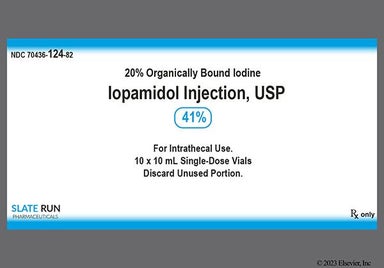
Iopamidol (Isovue) images