cromolyn
Cromolyn is used to prevent asthma symptoms in adults and children. It's available as an inhalation solution that's used in a nebulizer. Although it works well to prevent asthma attacks, it's not a first-choice medication for managing asthma.


What is Cromolyn?
What is Cromolyn used for?
- Asthma
- Prevention of shortness of breath after exercise or exposure to certain triggers
How Cromolyn works
Cromolyn is a mast cell stabilizer. It stops your body from releasing substances that cause inflammation (swelling) in the lungs. This helps prevent asthma attacks, as well as shortness of breath and chest tightness caused by exercise, cold air, aspirin (Ecotrin), and other pollutants.
Drug facts
| Common Brands | Intal |
|---|---|
| Drug Class | Mast cell stabilizer |
| Controlled Substance Classification | Not a controlled medication |
| Generic Status | Lower-cost generic available |
| Availability | Prescription only |

Side effects of Cromolyn
The following side effects may get better over time as your body gets used to the medication. Let your healthcare provider know immediately if you continue to experience these symptoms or if they worsen over time.
Common Side Effects
- Cough
- Stuffy nose
- Sneezing
- Wheezing
- Nausea
Cromolyn serious side effects
Contact your healthcare provider immediately if you experience any of the following.
- Tightening of airways: shortness of breath, wheezing, cough, chest tightness
- Allergic reaction: hives, shortness of breath, chest tightness, swelling of lips, tongue, face, or eyes
The following Cromolyn side effects have also been reported
Along with its needed effects, a medicine may cause some unwanted effects. Although not all of these side effects may occur, if they do occur they may need medical attention.
Check with your doctor immediately if any of the following side effects occur:
Check with your doctor as soon as possible if any of the following side effects occur:
Less common
Skin rash
Some side effects may occur that usually do not need medical attention. These side effects may go away during treatment as your body adjusts to the medicine. Also, your health care professional may be able to tell you about ways to prevent or reduce some of these side effects. Check with your health care professional if any of the following side effects continue or are bothersome or if you have any questions about them:
Less common
Abdominal pain
irritability
trouble in sleeping
Note: If the above side effects occur in patients with mastocytosis, they are usually only temporary and could be symptoms of the disease.
Other side effects not listed may also occur in some patients. If you notice any other effects, check with your healthcare professional.
Call your doctor for medical advice about side effects. You may report side effects to the FDA at 1-800-FDA-1088.

Get your GoodRx coupon

Pros and cons of Cromolyn
Pros
- Safe to use in children 2 years and older
- Can be used before exercise or coming into contact with certain triggers that cause asthma attacks
- Doesn't contain steroids like other common asthma medications
- Available as lower-cost generic medication
Cons
- Must use 4 times daily
- Not a first-choice medication for managing asthma
- Can't be used to treat sudden asthma attacks
- Must use with a nebulizer, and each dose takes longer than when you use an inhaler

Pharmacist tips for Cromolyn

- Don't use cromolyn to treat sudden breathing problems from an asthma attack. This medication is only meant to be used to prevent symptoms of asthma attacks. Make sure to have a rescue inhaler (e.g., albuterol (ProAir, Ventolin, Proventil)) available to use to relieve asthma attacks.
- Never inject or swallow cromolyn. It's for inhalation only and should be used with an approved, power-driven nebulizer as directed by your healthcare provider. Don't use it with hand-operated nebulizers. If you have questions about your nebulizer, ask your provider before using cromolyn.
- Use cromolyn 4 times per day at regular intervals, unless instructed by your healthcare provider.
- Always use a new vial for each dose, and never use medication from a used vial.
- After assembling your nebulizer, remove one vial from the strip and open it by twisting off the plastic top. Squeeze all of the liquid medication from the vial into the solution container of your nebulizer, and throw away the used vial. Then, hold the mask close to your face or place the mouthpiece in your mouth and turn the nebulizer machine on to begin your dose.
- Each nebulizer treatment with cromolyn typically takes 5 to 10 minutes. Breathe normally during your treatment.
- For your safety, don't mix other medications with cromolyn in your nebulizer. It's not known how safe it is to combine medications this way. Ask your pharmacist or healthcare provider if you have further questions about combining or timing your medications.
- Store cromolyn at room temperature away from light at all times, and keep it in its original foil pouch until you're ready to use it. The medication should be clear or a pale yellow color. If you notice any discoloration or cloudy substance in the vial, throw the vial away and use a new one, since this might mean it's not safe for you to use.
- Don't stop using cromolyn or lower your dose without speaking with your provider first, since your asthma symptoms can worsen.

Risks and warnings for Cromolyn
Cromolyn can cause some serious health issues. This risk may be even higher for certain groups. If this worries you, talk to your doctor or pharmacist about other options.
Not for treatment of asthma attacks
Cromolyn shouldn't be used to treat asthma attacks. Make sure you have a rescue inhaler (e.g., albuterol (ProAir, Ventolin, Proventil)) with you to use when you have an asthma attack. Severe asthma episodes and asthma attacks should be treated like medical emergencies. If you or your child has shortness of breath, wheezing, uncontrolled cough, fast breathing, or chest tightness, call for emergency medical help right away.
Tightening of airways (bronchospasm)
Cromolyn can sometimes cause your airways to tighten. If you experience shortness of breath, coughing, or chest tightness, stop using cromolyn and call for emergency medical help as soon as possible.

Cromolyn dosage


Typical dosage for Cromolyn
-
Asthma: The typical dose is 1 vial (20 mg of cromolyn) inhaled 4 times per day via nebulization.
-
Shortness of breath after exercise or exposure to certain triggers: The typical dose is 1 vial (20 mg of cromolyn) inhaled once via nebulization before exercise or exposure to triggers.
Nebulization is the process of turning the inhalation solution into a mist that you inhale through your mouth and into your lungs using a machine called a nebulizer.

Interactions between Cromolyn and other drugs
Although certain medicines should not be used together at all, in other cases two different medicines may be used together even if an interaction might occur. In these cases, your doctor may want to change the dose, or other precautions may be necessary. Tell your healthcare professional if you are taking any other prescription or nonprescription (over-the-counter [OTC]) medicine.

How much does Cromolyn cost?
$6.04

What are alternatives to Cromolyn?

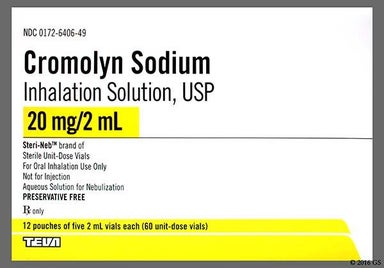
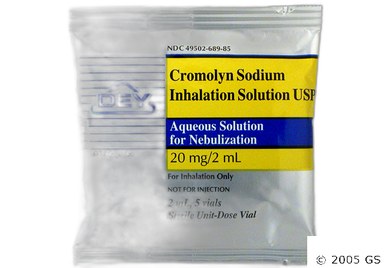
Cromolyn images