Key takeaways:
Acupuncture and hypnotherapy may be used to treat menopause symptoms. But these alternative therapies are typically not covered by health insurance.
You can use funds in your health savings account (HSA) or flexible spending account (FSA) to help you pay for eligible alternative menopause therapies. Some menopause treatments may require a letter of medical necessity to qualify.
Natural remedies like aromatherapy and herbal supplements for general well-being are typically not considered eligible expenses for HSA or FSA funds.
Are you experiencing hot flashes, night sweats, and mood changes? If so, you may be starting menopause, the change of life at the end of the menstrual cycle, which typically happens from ages 45 to 55.
Hormone replacement therapy — also known as menopausal hormone therapy — can help with menopause symptoms. But instead of conventional medical care, some people may prefer alternative or natural remedies.
Health insurance typically doesn’t cover alternative or complementary menopause treatments, such as massage and acupuncture. But tax-advantaged funds in a health savings account (HSA) or a flexible spending account (FSA) may be used to help you save money on these therapies.
Search and compare options
Keep in mind that there are mixed opinions about the benefits of some of these practices to relieve menopause symptoms.
Can you use an FSA or HSA for massage, acupuncture, and other natural menopause therapies?
Yes, you can use HSA or FSA funds to pay for natural menopause treatments like massage, acupuncture, and other therapies that are considered qualified medical expenses. The IRS defines qualified medical expenses as “costs of diagnosis, cure, mitigation, treatment, or prevention of disease, and for the purpose of affecting any part or function of the body.”
You may need to provide a letter of medical necessity (LOMN) from a healthcare professional for certain expenses to qualify for FSA or HSA spending. For instance, massages and yoga are usually ineligible expenses. But they may qualify if a healthcare professional recommends them for the treatment of osteoporosis due to menopause-related bone loss and writes this in an LOMN.
If you use your HSA or FSA to pay for noneligible medical expenses, you will lose tax savings and incur a 20% tax penalty. Also, you can’t seek reimbursement through an FSA or HSA for any menopause-related expenses covered by your health insurance. You can use your account funds only to cover out-of-pocket costs that aren’t reimbursed by your insurance company or another plan.
Can your FSA or HSA be used on acupuncture for menopause symptoms?
You can likely use your HSA or FSA to pay for acupuncture. But you’ll want to confirm with your HSA or FSA provider that acupuncture treatments for menopause symptoms are considered a qualified medical expense. Research shows acupuncture may be helpful for reducing menopausal symptoms such as hot flashes and insomnia.
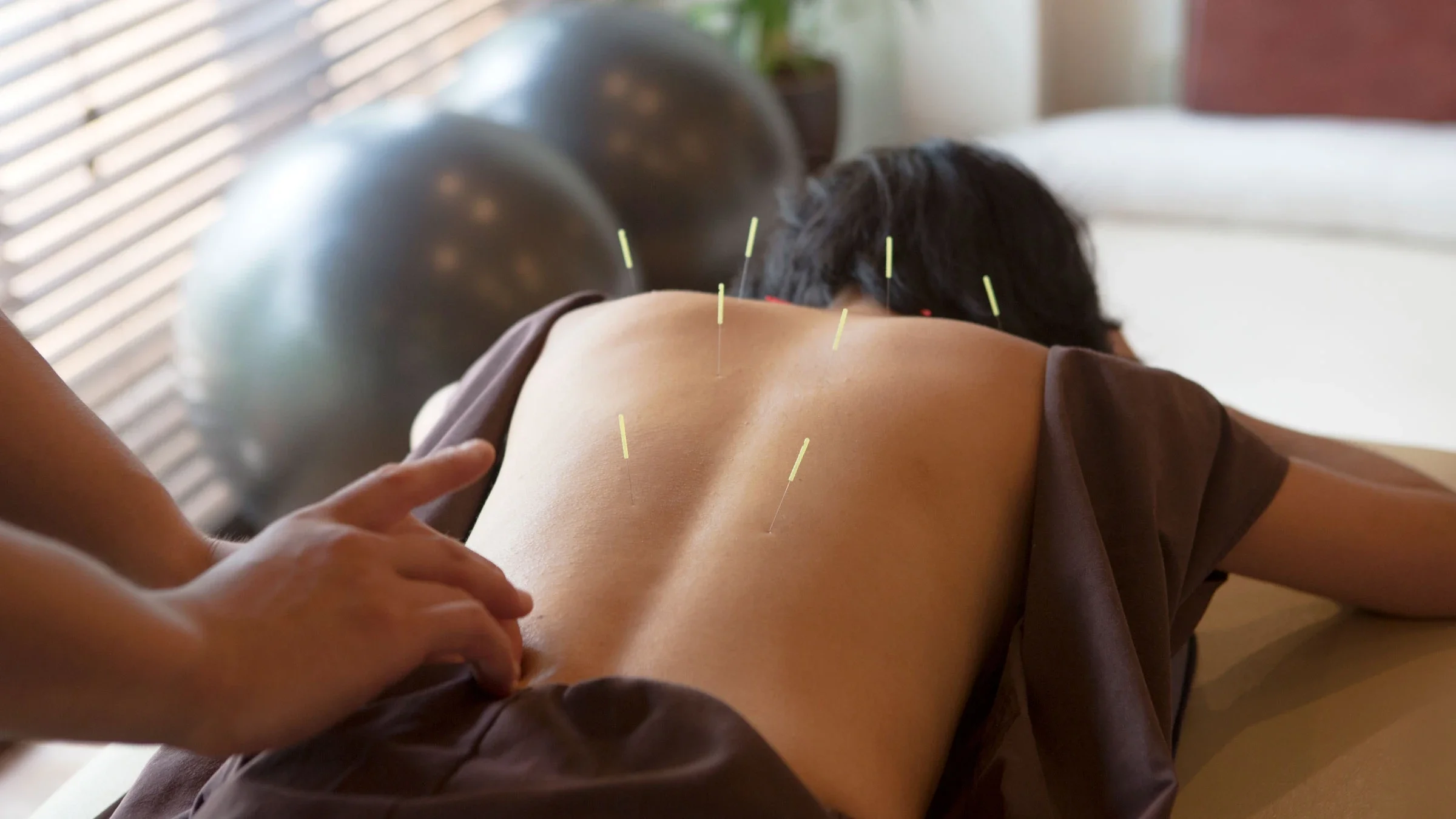
Acupuncture is an alternative therapy that comes from traditional Chinese medicine. Tiny needles are inserted at points across the body. This therapy is used to help treat various chronic conditions, including:
Without insurance, the cost of acupuncture varies depending on the condition, the location, and the number and types of sessions needed. A session can cost $100 or more. Community acupuncture and buying bundled treatments can reduce the cost per session.
How does an FSA or HSA work?
Before using an HSA or FSA, it’s important to understand how each works. They are both tax-advantaged accounts. But there are key differences between an HSA and FSA that may affect how you use these accounts.
How tax-advantaged accounts work
HSA | FSA | |
|---|---|---|
Eligibility | You must be enrolled in a high-deductible health plan to make account contributions. | This is an employer-sponsored account that can be used with an HMO, a PPO, or another qualifying health plan. |
Ownership | These accounts are owned by individuals instead of employers. If you switch health plans or jobs, you can take your HSA with you. | FSAs are set up and owned by employers. So you will lose access to your account if you leave your job. |
Rollover | HSA funds never expire and can roll over into the next year. | This account is known for its “use it or lose it” feature. This means you have to spend the funds by the end of the plan year unless your employer offers a carryover option. |
You can ask your FSA or HSA custodian about your account and eligible expenses. Costs you incurred before setting up your HSA or FSA do not qualify for reimbursement.

Read more like this
Explore these related articles, suggested for readers like you.




The custodian can also tell you if an LOMN is required to use your FSA or HSA funds on a particular expense. The plan may provide you with an HSA or FSA debit card. If so, you can use it to make qualified purchases for menopause treatments.
Which other menopause treatments may be HSA or FSA eligible?
In addition to massages and acupuncture, these four menopause treatments may be FSA-eligible or HSA-eligible expenses. Note that a healthcare professional may need to write an LOMN for the therapy you choose.
1. Yoga
Yoga is a movement practice that incorporates breathing exercises, meditation, and poses (asanas). A short-term study found that yoga and other natural interventions can reduce hot flashes. Yoga may also help with other menopause symptoms, such as:
Fatigue
Mood changes
If a healthcare professional recommends yoga to reduce menopausal symptoms or to treat a medical condition, your costs may be FSA or HSA eligible. But you may need an LOMN from them. Yoga used solely for general health does not count as a qualified medical expense.
2. Hypnosis
Hypnotherapy (hypnosis) is typically provided by a trained therapist or mental health professional. The idea is to help you reach a state of openness and relaxation. Sessions typically last 60 to 90 minutes and can cost $100 to $250 per session, depending on where you live and the type of professional providing the service.
Mind-body studies show that hypnotherapy may help treat menopause symptoms, such as hot flashes. Your HSA or FSA custodian may consider this an eligible expense if a healthcare professional recommends it to treat a medical condition and provides an LOMN.
3. Cognitive behavioral therapy
Cognitive behavioral therapy (CBT) is a type of psychotherapy (talk therapy) that can help assess and treat menopause symptoms. Paced breathing and deep-breathing exercises can be features of this treatment approach.
CBT can cost $100 to $250 or more per session, without insurance. Some therapists may offer a sliding-scale payment system based on your income. Psychotherapy treatments are generally considered FSA or HSA eligible if recommended for medical or mental health purposes.
4. Magnetic therapy
Magnetic therapy has been studied for its potential relief for stress urinary incontinence, which can happen more often during menopause. This alternative treatment involves placing magnets on the body to treat ailments.
You may need an LOMN for magnetic therapy to be considered an eligible FSA or HSA expense. Magnets may interfere with some medical devices. So consult a healthcare professional before considering this form of alternative therapy.
Can your HSA or FSA cover massage guns and other therapeutic items?
A healthcare professional may prescribe certain items as part of treatment. You still may need an LOMN for these items to be considered HSA or FSA eligible. Some examples include:
Foot massager or foot circulator
Heating pads
Herbs and herbal medications
Acupressure accessories
Are over-the-counter supplements for menopause HSA or FSA eligible?
Over-the-counter (OTC) medications for menopause are HSA and FSA eligible thanks to the expansion of the CARES Act. Vitamins and nutritional supplements may also be covered if they’re used for a specific medical condition that’s been diagnosed by a healthcare professional, according to IRS Publication 502. Medications and supplements for general health or well-being don’t qualify.
Some OTC supplements can have side effects. So it’s important to talk to a healthcare professional before taking them.
Affordable and low-cost menopause relief
There are some natural approaches to menopause treatment that you can do at home for little to no cost. For example, studies show that certain mindfulness and relaxation techniques can improve sleep during menopause.
Some low- and no-cost treatments for natural menopause relief include:
Frequently asked questions
Acupuncture may be able to be written off as a medical expense if it is being done for health purposes. The IRS considers qualified medical expenses to be anything related to the costs of diagnosing, curing, mitigating, treating, or preventing disease. That includes treatments or services that can affect any part or function of the body. If acupuncture is being given to help you to manage a health condition, it would fall in this category. You may need an LOMN indicating that the acupuncture is needed to help a health condition.
Acupuncture can be used therapeutically. So any materials that you need could also be purchased with HSA funds. The IRS allows anything that will help you treat, manage, or prevent disease to be a qualified medical expense. Professional acupuncturists often provide all the equipment you need. But if you’ll be doing acupressure, you may need to buy a special mat. This may be HSA eligible if you’re using it for a health condition. Acupressure is an offshoot of acupuncture that puts pressure on certain parts of the body.
Your lymphatic system removes toxic substances from your body. When it gets backed up or there’s a blockage in the lymphatic system, swelling can occur. Lymphatic massages can help the lymph fluid move through the body and relieve swelling. Lymphatic massage can treat a medical condition, so this therapy may be HSA eligible.
Acupuncture may be able to be written off as a medical expense if it is being done for health purposes. The IRS considers qualified medical expenses to be anything related to the costs of diagnosing, curing, mitigating, treating, or preventing disease. That includes treatments or services that can affect any part or function of the body. If acupuncture is being given to help you to manage a health condition, it would fall in this category. You may need an LOMN indicating that the acupuncture is needed to help a health condition.
Acupuncture can be used therapeutically. So any materials that you need could also be purchased with HSA funds. The IRS allows anything that will help you treat, manage, or prevent disease to be a qualified medical expense. Professional acupuncturists often provide all the equipment you need. But if you’ll be doing acupressure, you may need to buy a special mat. This may be HSA eligible if you’re using it for a health condition. Acupressure is an offshoot of acupuncture that puts pressure on certain parts of the body.
Your lymphatic system removes toxic substances from your body. When it gets backed up or there’s a blockage in the lymphatic system, swelling can occur. Lymphatic massages can help the lymph fluid move through the body and relieve swelling. Lymphatic massage can treat a medical condition, so this therapy may be HSA eligible.
The bottom line
Common menopause symptoms include hot flashes, trouble sleeping, mood changes, and fatigue. Alternative therapies can help address these symptoms. But they’re often not covered by health insurance.
You may be able to use funds in your health savings account (HSA) or flexible spending account (FSA) to reduce the cost of qualified medical expenses such as acupuncture, yoga, and hypnotherapy — which are alternative therapies that may ease menopause symptoms. HSAs and FSAs provide tax advantages that can save you money. But it’s important to check with your HSA or FSA account administrator to confirm which expenses are eligible. They’ll also tell you if you need a letter of medical necessity from a healthcare professional for a therapy to qualify.

Why trust our experts?


References
Avis, N. E., et al. (2019). A pooled analysis of three studies of nonpharmacological interventions for menopausal hot flashes. Menopause.
Cigna. (n.d.). Which expenses are eligible for HSA, FSA, and HRA reimbursement?
Endocrine Society. (2022). Menopause and bone loss.
Endocrine Society. (2022). Menopause treatment.
Farmer, T. (2024). Average cost of hypnotherapy. Liaison.
Fishman, L. M. (2021). Yoga and bone health. National Association of Orthopaedic Nurses.
Hunter, M. S., et al. (2021). Is cognitive behaviour therapy an effective option for women who have troublesome menopausal symptoms? British Journal of Health Psychology.
Internal Revenue Service. (2025). Affordable Care Act: Questions and answers on over-the-counter medicines and drugs.
Internal Revenue Service. (2026). Publication 502, medical and dental expenses.
Internal Revenue Service. (2026). Publication 969, health savings accounts and other tax-favored health plans.
Jackson Health System. (n.d.). Understanding lymphatic drainage: A message not meant for muscles.
Lam, C. M., et al. (2022). Behavioral interventions for improving sleep outcomes in menopausal women: A systematic review and meta-analysis. Menopause.
Lund, K. S., et al. (2021). Efficacy of a standardised acupuncture approach for women with bothersome menopausal symptoms: A pragmatic randomised study in primary care (the ACOM study). BMJ Open.
National Alliance on Mental Illness. (n.d.). Psychotherapy.
National Center for Complementary and Integrative Health. (2021). Relaxation techniques: What you need to know. U.S. Department of Health and Human Services.
National Center for Complementary and Integrative Health. (2022). Acupuncture: Effectiveness and safety. U.S. Department of Health and Human Services.
National Center for Complementary and Integrative Health. (2023). Magnets for pain: What you need to know.
National Center for Complementary and Integrative Health. (2023). Yoga: Effectiveness and safety. U.S. Department of Health and Human Services.
Norris, L. (2025). Can I use my HSA to purchase over-the-counter medications? Healthinsurance.org.
Peng, L., et al. (2019). Magnetic stimulation for female patients with stress urinary incontinence, a meta-analysis of studies with short-term follow-up. Medicine.
Psychological Healing. (2025). How much does cognitive behavioral therapy cost?
Thomas, T., et al. (2021). Effect of mind-body approaches on menopausal symptoms among women: A community-based pilot study. Journal of Health and Allied Sciences.