Key takeaways:
If your hypertension is caused by another medical condition or a medication, you may be able to reverse it by addressing the underlying cause.
Research shows that certain lifestyle changes and habits can help some people lower their blood pressure and may even help them avoid the need for medication.
If you have very high blood pressure — or if your blood pressure doesn’t respond to other treatments within 6 months — you may need medication to help keep it in a healthy range.
High blood pressure, also called hypertension, is common in the U.S. Nearly half of all adults have it. If you’re one of the 120 million people diagnosed with hypertension, you may wonder if there’s something you can do to reverse it.
In almost all cases, high blood pressure can be lowered to normal levels. Some people need medication. But others may be able to reverse it depending on what’s causing their high blood pressure.
Can hypertension be cured?
Possibly. Whether hypertension can be reversed or cured depends on what’s causing it. There are two main types of high blood pressure:
Primary (or “essential”) hypertension: This is high blood pressure that isn’t caused by an underlying medical condition or medication. About 90% of people with high blood pressure have this type.
Secondary hypertension: This is high blood pressure that’s caused by another medical condition or by medication. It makes up about 10% of all hypertension cases.
If you have secondary hypertension, it may sometimes be cured by treating the underlying condition. Common causes of secondary hypertension are:
Kidney problems
Obstructive sleep apnea
Problems with the adrenal glands
Coarctation (narrowing) of the aorta
Thyroid or parathyroid gland problems
Polycystic ovary syndrome (PCOS)
For example, some people are cured after surgery to remove the parathyroid glands or to fix a narrowed aorta. In other cases, like with ongoing kidney problems, a person may still need to take medication to keep their blood pressure in a healthy range.
Can you reverse primary hypertension?
Primary hypertension can’t be completely reversed. But that doesn’t mean everyone with this kind of high blood pressure needs medication. Some people can keep their blood pressure within a healthy range with lifestyle changes. But that requires that they stick with those habits long term.
People with mild to moderate high blood pressure are more likely to see results from lifestyle changes alone. This applies mostly to the first two levels of high blood pressure listed below. These levels depend on both systolic blood pressure (the top number) and diastolic pressure (the bottom number):
Prehypertension (slightly elevated): a systolic blood pressure of 120 mmHg to 129 mmHg, and a diastolic blood pressure of 79 mmHg or lower
Stage 1 hypertension (moderately high): a systolic blood pressure of 130 to 139, and a diastolic blood pressure of 80 to 89
Stage 2 hypertension (high): a systolic blood pressure of 140 or higher and a diastolic blood pressure of 90 or higher
Severe high blood pressure: a systolic blood pressure of 180 or higher and a diastolic blood pressure of 110 or higher
People with very high blood pressure often need both lifestyle modifications and medication. Anyone with severe high blood pressure needs immediate medical treatment.
If you take medication for high blood pressure, it doesn’t mean you’ll need to take it forever. One systematic review found that people who only needed one blood pressure medication had the best chance of keeping their blood pressure normal after stopping it. Approximately 1 out of 4 people taking a single medication were able to stop and still maintain a healthy blood pressure for 2 years.
What are natural ways to lower your blood pressure?
If you want to avoid taking medication for your blood pressure, there are natural ways to lower it. These changes usually take a few months of steady effort before your blood pressure improves enough that medication may not be needed.
Keep in mind that not all cases of high blood pressure can be treated with natural methods alone. Experts suggest that it’s probably best to start medication if lifestyle changes don’t help improve high blood pressure within 6 months. Talk with your healthcare team about incorporating some of the changes below and when to re-evaluate your need for medication.
1. Limit alcohol
Drinking alcohol on a regular basis can increase your risk of high blood pressure over the long term. Even occasional episodes of binge drinking can spike your blood pressure. The American Heart Association recommends no more than 2 alcoholic drinks per day for men and 1 drink per day for women.
2. Find a healthy weight for you
There’s a link between higher body mass index (BMI) and high blood pressure. This doesn’t necessarily mean you need to lose weight or that your weight is the cause of high blood pressure. But if weight loss is one of your goals, losing even a few pounds might make a difference in your blood pressure levels.
3. Eat fruits and vegetables
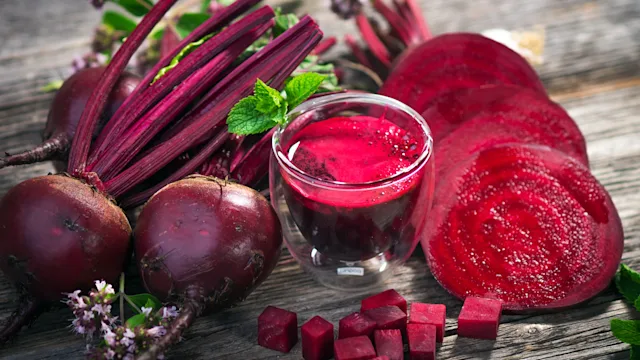
Research suggests that blueberries, avocados, grapes, broccoli, and carrots are particularly good at lowering blood pressure. Some beverages, like beet juice, may also be helpful.
4. Incorporate movement into your daily routine
Even if you don’t reach the recommended 150 minutes of exercise per week, regular physical activity may improve your high blood pressure. Both aerobic exercise and strength training can help. Some of the best exercises to lower blood pressure include:
Walking
Biking
Dancing
Swimming
Isometric exercises, like wall sits and planks
5. Prioritize sleep
A lack of sleep can lead to inflammation and hormonal changes that can contribute to high blood pressure. Make changes to your daily sleep habits and aim for at least 7 hours of sleep each night. If you struggle with insomnia, you might be surprised to learn that cognitive behavioral therapy for insomnia (CBT-I) is the first recommended treatment.
6. Limit sodium
Eating too much sodium (salt) can raise blood pressure. A diet low in sodium and high in potassium can help lower your blood pressure.
7. Nix the nicotine
Quitting smoking may not lower your blood pressure as much as other lifestyle changes, but it’s still recommended. Smoking makes your blood vessels stiffer, making your risk of heart problems and stroke much higher.
8. Reach out to a friend
Feelings of loneliness and disconnection have been linked to high blood pressure. Finding human connection and companionship can help. This could be as simple as sending a text or making a phone call. If one-on-one interactions feel intimidating, try going to a local event or volunteering. Just being around others can make a big difference.
9. Lower your stress levels
Both short-term and long-term stress at work or home can also raise your blood pressure. Start easy with simple breathing exercises for a few minutes each day or when you’re feeling stressed.
10. Consider supplements with caution
Supplements aren’t a replacement for medication. And it’s important to check with your healthcare team before you start one. Some can cause side effects or medication interactions. But if you’re interested in adding them to diet and lifestyle changes, certain supplements may help lower blood pressure.
Research indicates that these supplements might be helpful:
What medications can raise your blood pressure?
In addition to making some of the changes above, it may also help to review your daily medications if you have high blood pressure. Some medications can raise your blood pressure, and this is often overlooked. Even over-the-counter (OTC) medications can be the cause.
Frequent contributors to high blood pressure include:
Nonsteroidal anti-inflammatory drugs (NSAIDs), such as ibuprofen and indomethacin
Decongestants, such as pseudoephedrine and phenylephrine
Stimulants, such as methylphenidate and amphetamine / dextroamphetamine
Some birth control pills
Steroids, such as prednisone and prednisolone
If you take one of these medications and notice your blood pressure is higher than usual, talk with a healthcare professional to see if a different treatment might be a better option.
Frequently asked questions
Yes, anxiety can raise your blood pressure. This is especially true if you feel anxious every day or if it leads to things like substance use, not getting enough exercise, or trouble sleeping. In these cases, the lifestyle changes above may be particularly helpful.
How long it takes to lower blood pressure depends on the method. If you’re making lifestyle or habit changes to lower your blood pressure, it will likely take several weeks to see a noticeable difference. If you don’t see a difference within 3 to 6 months, that is a good time to consider starting a medication to help keep your blood pressure in a normal range.
Blood pressure naturally changes throughout the day. If you take medication for your blood pressure, it can take minutes to hours to work. But if your systolic blood pressure (top number) is greater than 180 or your diastolic (bottom number) is greater than 120 after taking medication, call your primary care provider or seek emergency care right away.
Yes, anxiety can raise your blood pressure. This is especially true if you feel anxious every day or if it leads to things like substance use, not getting enough exercise, or trouble sleeping. In these cases, the lifestyle changes above may be particularly helpful.
How long it takes to lower blood pressure depends on the method. If you’re making lifestyle or habit changes to lower your blood pressure, it will likely take several weeks to see a noticeable difference. If you don’t see a difference within 3 to 6 months, that is a good time to consider starting a medication to help keep your blood pressure in a normal range.
Blood pressure naturally changes throughout the day. If you take medication for your blood pressure, it can take minutes to hours to work. But if your systolic blood pressure (top number) is greater than 180 or your diastolic (bottom number) is greater than 120 after taking medication, call your primary care provider or seek emergency care right away.
The bottom line
High blood pressure, or hypertension, is a common and treatable health problem that has many possible causes. Some people are able to lower their blood pressure with lifestyle changes alone, while others need medication along with healthy habits. No matter your situation, it’s important to bring your blood pressure down to a healthy level to reduce your risk of heart disease and stroke.

Why trust our experts?



References
American Heart Association. (2021). If slightly high blood pressure doesn’t respond to lifestyle change, medication can help.
American Heart Association. (2024). American Heart Association recommendations for physical activity in adults and kids.
American Heart Association. (2024). Limiting or avoiding alcohol to manage high blood pressure.
Borgi, L., et al. (2016). Fruit and vegetable consumption and the incidence of hypertension in three prospective cohort studies. Hypertension.
Centers for Disease Control and Prevention. (2025). Health and economic benefits of high blood pressure interventions.
Charles, L., et al. (2017). Secondary hypertension: Discovering the underlying cause. American Family Physician.
Frisoli, T. M., et al. (2012). Salt and hypertension: Is salt dietary reduction worth the effort? The American Journal of Medicine.
Harsha, D. W., et al. (2008). Weight loss and blood pressure control (pro). Hypertension.
Hawkley, L. C., et al. (2011). Loneliness predicts increased blood pressure: Five-year cross-lagged analyses in middle-aged and older adults. Psychology and Aging.
Ishikawa-Takata, K., et al. (2003). How much exercise is required to reduce blood pressure in essential hypertensives: A dose-response study. American Journal of Hypertension.
Landi, F., et al. (2018). Body mass index is strongly associated with hypertension: Results from the Longevity Check-up 7+ study. Nutrients.
Primatesta, P., et al. (2001). Association between smoking and blood pressure. Hypertension.
Rasmussen, C. B., et al. (2012). Dietary supplements and hypertension: Potential benefits and precautions. The Journal of Clinical Hypertension.
Spruill, T. M. (2011). Chronic psychosocial stress and hypertension. Current Hypertension Reports.
van der Wardt, V., et al. (2017). Withdrawal of antihypertensive medication: A systematic review. Journal of Hypertension.