Key takeaways:
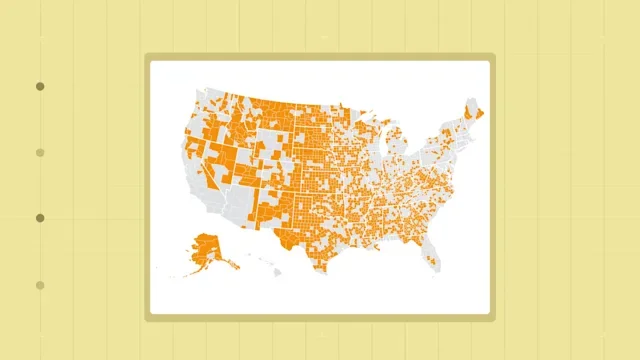
More than 2,300 counties in the U.S. are at risk for seasonal affective disorder during the winter months.
Fill trends for SAD medication are relatively low in the Pacific Northwest and relatively high in parts of the South and Midwest, possibly due to public health campaigns.
Switching from daylight saving time to standard daylight time may increase the risk for SAD. But there’s not enough evidence to say whether the Sunshine Protection Act would reduce winter depression.
Save on related medications
The semiannual ritual of switching between standard daylight time (SDT) to daylight saving time (DST) may come to an end if the House of Representatives and the president sign the Sunshine Protection Act into law. The act would make DST permanent, and Americans would have less sunlight in the morning and more in the evening.
What would this new legislation mean for seasonal affective disorder (SAD)? The GoodRx Research team sifted through years of solar and climate data and found a surprising amount of counties across the U.S. suffer from SAD each winter. These findings could have serious implications for those across the country if SDT is phased out.
Below, we walk through our research and explore how permanent changes in sunlight hours could affect those most at risk for SAD.
What causes seasonal affective disorder?
Seasonal affective disorder is thought to affect up to 5% of Americans, especially Americans who live in northern U.S. counties. The most vulnerable populations in these communities include women, young adults, and those with a family history of depression. Counseling, light therapy, exercise, and antidepressant medications, such as bupropion XL (Wellbutrin XL), are common treatment options.
Scientists believe that reduced daylight causes biochemical imbalances in the brain and can lead to SAD. As a result, researchers have focused primarily on sunlight levels as a risk factor for SAD.
But a growing body of research suggests other weather and climate patterns may also affect mood. And focusing predominantly on sunlight assumes only northern counties are at risk, potentially ignoring a vast majority of Americans that live in lower latitudes. Advances in satellite imaging and climate measurements now make it possible to reveal counties where Americans are at risk for SAD outside of these northern states.
To this end, GoodRx Research combined 6 years of solar and climate data to create a SAD risk index for each U.S. county that had available data. We also used 6 years of prescription fill data for each U.S. county to determine which high-risk areas were treating SAD with medication and which areas were taking a different approach.
Northern U.S. counties aren’t the only ones at risk for SAD
Gloomy days are typically associated with rain, snow, cold temperatures, fog, reduced daylight, and overcast skies. Although these days can be great for self-reflection, they can also alter social plans and create a sense of loneliness.
With this in mind, GoodRx Research developed a daily SAD risk index that took into account six gloomy weather conditions (rain, snow, cold temperatures, overcast skies, fog, and daylight) for each U.S. county (for more details, see our methodology section below). A county received one point for each weather condition that it had during any given day. The county had a risk index of 6 if all conditions were met. Unlike traditional methods, we didn’t use sunlight levels alone to identify areas at high risk for SAD.

Read more like this
Explore these related articles, suggested for readers like you.




We averaged the daily SAD risk index for each county for each winter between 2015 to 2020. We then grouped the counties based on SAD risk index severity using quintile groupings and mapped the counties with the highest risk for SAD during the winter months.
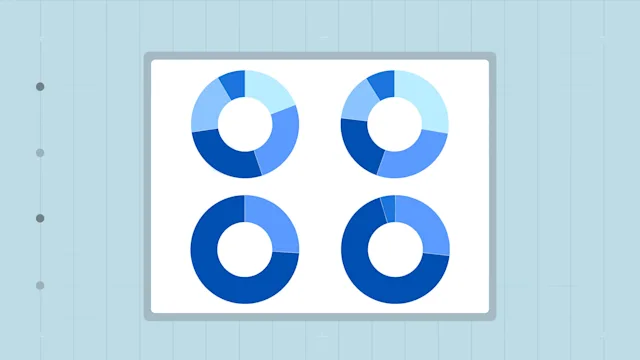
Focusing on counties with high SAD risk, we also calculated a prescription fill rate index over the same time period for bupropion XL (Wellbutrin XL), the FDA-approved prescription treatment for SAD. We indexed each county’s prescription fill rate for SAD medication to the national fill rate and mapped each quintile of SAD prescription fills for high-risk counties.
The map of U.S. counties below, which is based on our findings, reveals a startling pattern: The risk for winter blues extends beyond just northern counties. In fact, we found counties throughout the U.S. at risk, and areas such as the South and Central Midwest had an unexpectedly high level of risk.
This brings us back to the point of how cold temperatures and reduced sunlight are not the only risk factors for SAD. For example, counties in the southern states of Texas, Louisiana, Mississippi, Alabama, Florida, and the Carolinas are among the top 10 states hardest hit by hurricanes. Although hurricane season typically occurs between June and November, these regions also receive a fair amount of rainfall during the winter, which is also associated with overcast skies, cold weather, fog, and snow.
Some counties have high risk for winter depression and relatively low fill rates
The Pacific Northwest is often thought of as a sad place during the winter. In fact, newspaper articles and public health awareness campaigns remind residents of the SAD season and encourage them to seek professional help if needed.
But we found that the Pacific Northwest had lower fills for SAD medication compared to the rest of the country — even though the overwhelming majority of the region is at risk for SAD.
This suggests a few possibilities:
The actual rates of SAD are high in the Pacific Northwest, but these communities resort to nonmedication coping methods.
The actual rates of SAD are high, but the communities are unaware of the risks of leaving SAD untreated.
The actual rates of SAD are low in these areas, and there is little need for medication.
There are other possibilities, too. But a report from Blue Cross Blue Shield of America reveals that the Pacific Northwest has some of the highest rates of major depression diagnoses. And, according to the National Institute of Mental Health, the risk of SAD increases in individuals with major depressive disorder.
Taken together, these findings suggest that Pacific Northwest communities may indeed have higher rates of SAD but are not taking the FDA-approved medications for it. Instead, they may be already taking other atypical antidepressants, such as selective serotonin reuptake inhibitors, or treating SAD with a nonmedication approach, such as with light therapy, exercise, counseling, or vitamin D supplementation.
This phenomenon may also explain lower fills rates in counties outside of the Pacific Northwest, such as in Minnesota, New Hampshire, Indiana, and Pennsylvania. These states have public health awareness campaigns for seasonal affective disorder and rank highly in searches for seasonal depression, according to a Google Trends analysis.
Then there are counties in states like Alabama and Louisiana, which also had low fills but were at high risk. These places do not have extremely cold temperatures or large amounts of snowfall. Yet they still experience heavy episodes of rain and minimal daylight, contributing to high risk of winter depression.
Health professionals believe that young people are more prone to winter depression due to lack of experience in regulating and controlling their emotions. Many professionals in Louisiana recognize the high volume of younger people who suffer from seasonal depression and suggest treatments such as cognitive behavioral therapy before medication.
Some counties have high risk for winter depression and relatively high fill rates
Although public health campaigns that promote counseling, light therapy, and vitamin supplementation may explain low fill trends in some regions, this is not the case for many other states.
In fact, we see higher fill trends for SAD medication in counties in Montana, North Dakota, Iowa, Illinois, Kentucky, Virginia, Ohio, Missouri, Georgia, Florida, Delaware, Connecticut, Maryland, Maine, and the Carolinas. Some of these states have reported high rates of major depression diagnoses, so it's possible that the providers in these areas are accustomed to treating depression and may prescribe bupropion XL during the winter to treat SAD.
It’s unclear whether daylight saving time or standard daylight time reduces SAD
Although many polls (Associated Press, CBS) indicate that Americans want a constant time, there is no consensus on whether standard daylight time (SDT) or daylight saving time (DST) is better.
The American Academy of Sleep Medicine argues that SDT is more in line with our biological clocks, partly because SDT synchronizes waking hours with daylight. Meanwhile, the authors of the Sunshine Protection Act argue that permanent DST would be good for safety and the economy and would reduce heart disease and seasonal depression.
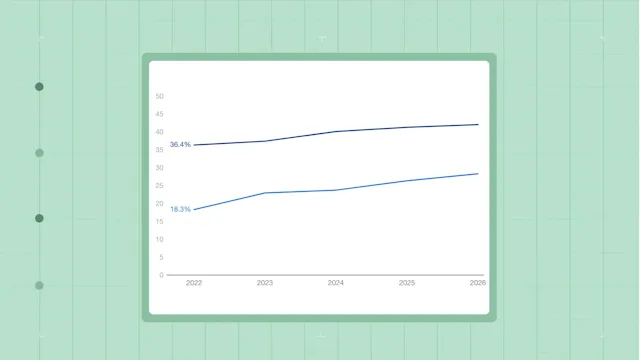
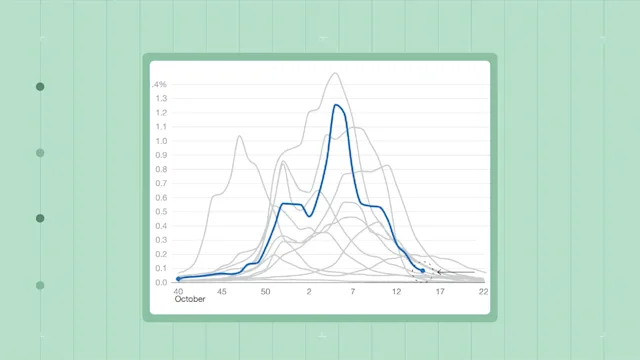
Sunlight plays a major role in reducing the risk and extent of winter depression. So policies that alter the number of waking hours of sunlight, especially in the morning, may affect rates of SAD. As the chart below shows, SDT takes place during the fall and winter seasons, when the share of sunlight hours is already at its lowest. Permanent DST would shift the share of sunlight hours from the morning to the evening.
Sleep experts argue that exposure to daylight is critical in the waking hours and favor a constant SDT. But other research suggests that the switch from DST to SDT in the fall increases depression episodes because of less sunlight hours in the evening in wintertime. If this is true, “falling back” to SDT can make the negative effects of already low winter daylight hours worse for people who live in areas with high risk of SAD. These people see the sun less than 41% of the time in the winter.
The bottom line is that we need more research on how morning or evening sunlight affects winter depression — especially before a major change such as the Sunshine Protection Act is made into law.
Summing it up
Seasonal affective disorder is a form of temporary depression that affects up to 5% of Americans in the winter, yet many are at risk for SAD. Research has focused on reduced daylight and winter-like conditions as major risk factors for SAD, with most attention paid to northern-latitude states.
However, GoodRx Research found that the winter blues extend beyond northern latitudes and that counties throughout the country can be affected by seasonal weather patterns. As a result, government and public health measures should focus on unmet needs in areas we initially least expect are at risk, taking all SAD risk factors into account, especially as laws such as the Sunshine Protection Act are considered.
Co-contributors: Aashna Gheewalla, Amanda Nguyen, PhD, Tori Marsh, MPH
Methodology
For this analysis, GoodRx Research compared prescription fills trends for winter depression bupropion XL with weather patterns associated with seasonal affective disorder. The data was collected at the county level for the time period between January 1, 2015 to December 31, 2020.
Winter depression medication fill index
Although antidepressants and selective serotonin reuptake inhibitors have and are used to treat depression, this study limited the analysis to bupropion XL (Wellbutrin XL), as this is the only FDA-approved medication to treat seasonal affective disorder. The fill rate was based on a statistically significant sample of fills at U.S. pharmacies at the county level. The fill index was the ratio of bupropion XL fill to all prescription drug fills, which was then indexed to the national average. Each county was assigned a quintile based on its county to the national fill index.
Seasonal affective disorder risk index
The seasonal affective disorder risk index was based on a daily value assigned to each county based on temperature, daylight, overcast skies, fog, rain, and snow. Each climate variable was assigned a binary value of 0 or 1, based on whether it reaches a given threshold. The SAD risk index was the sum of these six binary variables outcomes, and is defined as follows:
A cold day was a day with a maximum temperature below 10°C.
A dark day was a day in which the total number of daylight hours was less than one standard deviation from the average for that area. Daylight hour was an hour that had a Global Horizontal Irradiance greater than 0.
Foggy days were defined as days that had 100% humidity, while cloudy days were those days in which 50% or more of the daylight hours were covered by clouds.
Rainy days were defined as days that had greater than 0 precipitation (mm), while snowy days were days that had recorded snow levels greater than or equal to 127 mm (5 inches).
The seasonal SAD index was the average SAD index over that period of time. The SAD risk index in this report was the average winter season for each year between 2015 to 2020. The winter months were defined as December, January, and February. The cold day, daylight, overcast, and fog values were obtained from the National Solar Radiation Database while the rain and snow data were obtained from Meteostat. Meteostat is a historic weather and climate database.
References
American Psychiatric Association. (2020). Seasonal affective disorder (SAD).
Associated Press. (2021). End of daylight saving time means winter is on the horizon.
Bedrosian, T. A., et al. (2017). Timing of light exposure affects mood and brain circuits. Translational Psychology.
BioSpace. (2006). FDA approves GlaxoSmithKline's Wellbutrin XL(R) for the prevention of seasonal major depressive episodes in patients with a diagnosis of seasonal affective disorder.
Buckle, A., et al. (2020) Daylight saving time. Britannica.
Buckle, A., et al. (n.d.). What is standard time? Britannica.
Columbia Broadcasting System. (2021). Standard time vs. daylight savings time.
Centre for Addiction and Mental Health. (n.d.). Seasonal affective disorder (SAD).
Congress.gov. (2022). S.623 - 117th congress (2021-2022): Sunshine protection act of 2021.
Davis, A., et al. (2020). Minnesota winter blues: Tips to treat seasonal affective disorder. MPR News.
Dennett, C. (2021). Seattle rainy season brings on seasonal affective disorder. Here's the deal with SAD. The Seattle Times.
Dupré, H. (2021). With changing seasons come changing emotional states. The Lion’s Roar.
Edwards, S. (2021). Feeling those holiday blues: How you can combat those feelings this winter season. ABC News.
Garbacz, S. (2020). Indiana 3rd in Google searches for seasonal depression. The News Sun.
Glen, S. (n.d.). Quintile: Definition, examples in economics, health. Statistics How To.
Hansen, B.T., et al. (2017). Daylight savings time transitions and the incidence rate of unipolar depressive episodes. Epidemiology.
Howard, P. (2021). Which U.S. state experiences the most hurricanes?. PolicyGenius.
Jones, R. (2021). Prevalence of seasonal depression high in western Pennsylvania, UPMC psychiatrist says. CBS Pittsburgh.
Klimstra, T. A., (2011). Come rain or come shine: Individual differences in how weather affects mood. Emotion.
Magovern, M., et al. (2017). Extended-release bupropion for preventing seasonal affective disorder in adults. American Family Physician.
Mental Health America. (n.d.). Seasonal affective disorder (SAD).
Metostat Developers. (n.d.). Python library.
Michigan Health. (2020). Seasonal affective disorder: Using light therapy. University of Michigan.
National Institute of Mental Health. (n.d.). Seasonal affective disorder.
National Public Broadcast (2022). The daylight saving debate.
National Solar Radiation Database. (n.d.). National solar radiation database.
Oregon Medical Group. (n.d.). Feeling SAD – seasonal affective disorder.
Rishi, M.A., et al. Daylight saving time: an American Academy of Sleep Medicine position statement. J Clin Sleep Med. 2020;16(10):1781–1784.
Rubio.Senate.Gov (2020). WTAS: Rubio’s bill to make daylight saving time permanent receives widespread praise following Senate passage.
Rubio.Senate.Gov (2021). Rubio, colleagues reintroduce bill to make daylight saving time permanent.
Targum, S. D., et al. (2008). Seasonal affective disorder. Psychiatry (Edgemont).
The Oregon Health Authority. (2021). Oregon coronavirus update.
Welch, A. (2018). How depressed is your state? CBS News.

Why trust our experts?