Key takeaways:
Debt from prescription medications remains a large problem in the U.S. and could worsen with this year’s Medicaid “unwinding.”
Americans continue to resort to measures like rationing or skipping medication due to cost concerns.
Even individuals with insurance face difficulty affording prescription medications.
Figuring out how to afford prescription medications is not a new problem for many Americans. While most aspects of day-to-day life have returned to a new “normal” following the 3+ year COVID-19 pandemic, debt due to medication and healthcare costs remains a real concern.
For the fourth year, the GoodRx Research Team conducted a study on how American adults are dealing with medication debt. Below, we highlight some of our key findings and opportunities for improvement.
Prescription medication costs have risen over the last year for 41% of Americans
While a small (9%) group of Americans reported a decrease in their prescription medication costs since last year, over 90% reported either an increase (41%) or no change (51%) in medication costs. Given that 2 in 3 American adults take at least one medication, the cost implications of rising prescription costs are wide-reaching.
Over one-third of Americans have difficulty affording their prescription medications
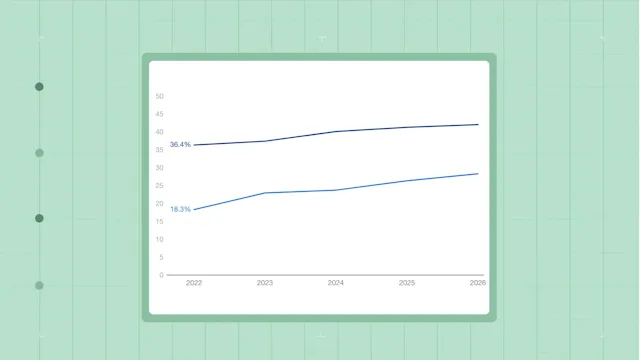
Nearly 36% of Americans report that paying for prescription medications over the last year has been very difficult (5.4%) or somewhat difficult (30.5%).
What’s more, the difficulty affording medications is not limited to people without health insurance coverage.
Though the uninsured population had the greatest percentage of individuals reporting difficulty affording their medication (63%), there is a comparable range across the other insurance groups — including 30% and 32% in the Medicare and Medicaid groups, respectively, and 48% of people receiving coverage through the Affordable Care Act marketplace programs.
With the recent unwinding of Medicaid, the out-of-pocket medication costs for many Americans could become even more difficult to afford.
Americans are forced to skip medication and take on debt due to costs
As we’ve seen in previous years, the cost of prescription medication continues to force Americans to make tough choices when it comes to following their medication regimens. Nearly 40% of Americans reported at least one change in medication adherence over the last year due to cost. These include things like delaying a refill, rationing medicine, stopping the medication entirely, and even purchasing medicine from another country.
Medication adherence is critical to maintaining health: According to one study, “nonadherence can account for up to 50% of treatment failures, around 125,000 deaths, and up to 25% of hospitalizations each year in the United States.”
The cost of medications also forced one-fifth of Americans to take on credit card debt. Another 16% borrowed money to cover the cost of their medications. Overall, 39% of those we surveyed made some change to their medication regimen due to cost.
A quarter of Americans tap into their savings to pay for prescription medications
Consistent with previous years of our survey, many in the U.S. use savings to pay for prescription medications. This year, we found that one-quarter of Americans tapped into their savings to afford their medications.
Almost 20% of Americans pay over $1,200 per year for their most expensive prescription medication
Out-of-pocket spending on managing and treating chronic conditions can quickly add up for many Americans. And 17% report spending at least $100 out of pocket each month for their most expensive medication. Of this group, 7% spend over $200 per month for a yearly expenditure of over $2,400 for just one prescription.

Read more like this
Explore these related articles, suggested for readers like you.



This is just one part of the burden of managing a chronic disease, as many chronic conditions require more than one medication.
Summing it up
The cost of prescription medications remains a problem in the U.S., with more than one-third of American adults reporting difficulty affording their medications. Medical debt affects 23 million Americans, and the cost of prescription medications undoubtedly contributes to the problem.
While some groups, like those without insurance, face more difficulty affording their medications than groups with insurance, the rising costs are felt across the board.
The Inflation Reduction Act aims to tackle the cost of prescription drugs within the Medicare population. But there is clearly room for improvement across insured and non-insured populations.
Co-contributors: Diane Li, BA
Methodology
Our survey was run through Qualtrics. The survey ran from June 1 to June 12, 2023. A total of 1,117 responses were collected and analyzed. Survey responses are representative of the U.S. population using gender, geographical region, race/ethnicity, income, and education.
References
Georgetown University McCourt School of Public Policy. (n.d.). Prescription drugs.
Kim, J. et al. (2018). Medication adherence: The elephant in the room. U.S. Pharmacist.
Levey, N. (2023). Biden administration warns consumers to avoid medical credit cards. NPR.
Rae, M. et al. (2022). The burden of medical debt in the United States. Kaiser Family Foundation.
See previous GoodRx reports on medication debt here:

Why trust our experts?