Key takeaways:
If you are overwhelmed by medical bills, bankruptcy may be an option for wiping away your debt.
There are two kinds of bankruptcy for individuals: One that eliminates or liquidates your debt, and one that reorganizes your debt into a repayment plan.
Bankruptcy should be a last resort, as discharging your debt can have a long-term negative impact on your credit.
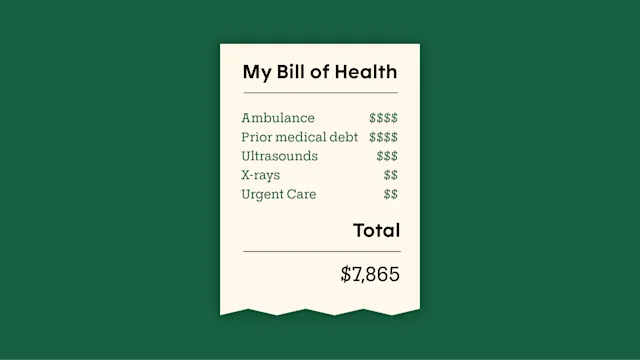
Medical debt is a problem for millions of U.S. households. A nationally representative study based on consumer credit reports from 2009 to 2020 found that about 18% of individuals in the U.S. — nearly 1 in 5 — had medical debt in collections.
Unlike debt from mortgages, car loans, or credit cards, medical expenses are often unplanned. If you get sick or injured, you may end up with costs you can’t afford — even if you have health insurance.
A large medical bill or ongoing expenses for a condition such as cancer can devastate individual or household finances. Your medical debt can be turned over to a collection agency and reported to a consumer credit bureau.
If your medical debt becomes overwhelming, filing a bankruptcy case may be a worthwhile option.
How does bankruptcy and discharge of medical debt work?
Bankruptcy is a legal process designed to help you eliminate or repay debt — including medical debt. This is usually achieved through liquidation of assets or a repayment plan.
Filing bankruptcy can stop most creditors from seeking to collect their debts from you. Bankruptcy also can provide you an opportunity to get current on your mortgage and car loans.
What are the different types of bankruptcy, and which ones allow you to discharge debts?
Individuals have 2 options for bankruptcy: Filing under Chapter 7 or Chapter 13 of the U.S. Bankruptcy Code. Both can help you clear medical debt.
Chapter 7 is known as straight bankruptcy or liquidation bankruptcy and wipes out debts in exchange for you giving up property (except for “exempt” property) to pay off creditors in 3 to 6 months. Chapter 13 is a debt reorganization that requires you to pay all or some of your debts in 3 to 5 years.
Here are more details about Chapter 7:
Eligibility is means-tested: Typically, you can file only if your current monthly income is less than the state’s median income and your disposable income is low enough.
Involves liquidating your assets: Usually, your assets are sold, and the proceeds are used to pay creditors. However, some assets are exempt from liquidation, including equity in your home and tools needed for employment.
Process takes up to 6 months: When the bankruptcy is final, your debts — including medical debts — are cleared.
All debts discharged except those prohibited by bankruptcy code: Debts that cannot be discharged include student loans, alimony, and child support.

Read more like this
Explore these related articles, suggested for readers like you.

Here’s important additional information about Chapter 13:
You will work with the court to create a repayment plan: You will pay debt with your disposable income over a set period of time. The debt not paid will be discharged at the end of the repayment period. Disposable income usually doesn’t exceed 15% of your gross income.
You must have regular income: You need the means to repay your debt.
May be better for homeowners: Chapter 13 halts the foreclosure process and requires your mortgage lender to let you catch up during the repayment period.
Once you have gone through the bankruptcy process, creditors can no longer take collection actions — such as lawsuits or wage garnishments — against you.
Who is eligible for bankruptcy and medical debt discharge?
Most individuals can file for bankruptcy under Chapter 7 or Chapter 13. A previous bankruptcy filing that was dismissed for failure to appear or a previous bankruptcy in recent years will probably delay another bankruptcy case.
Whether you file for Chapter 7 or Chapter 13 depends on your situation.
Under Chapter 7 bankruptcy, you can have any amount of debt, including medical bills. You also must pass a means test, which aims to ensure that you have an income below the median for your state and are not abusing bankruptcy laws. If you don’t qualify for Chapter 7, you could look into Chapter 13.
Chapter 13 bankruptcy is for individuals with unsecured debts that are less than $394,725 and secure debts that are less than $1,184,200. Those limits are current as of March 2022 and are adjusted periodically. Unsecured debts are based on the likelihood of a debtor’s future ability to pay. Unsecured debt includes credit cards and most medical bills. Secured debt — such as a mortgage or auto loan — is backed by collateral.
When is it a good idea to discharge medical debt by declaring bankruptcy?
You may have heard the term “medical bankruptcy” in reference to discharging medical debt. “Medical bankruptcy” is not an official category of bankruptcy, though.
Individuals seeking relief from medical bills can file Chapter 7 and Chapter 13. Either bankruptcy filing will cover most of your debt, including medical bills.
Declaring bankruptcy for medical debt requires careful consideration. If you can’t keep up with your daily living expenses because of overwhelming medical debt, and you have a condition that prevents you from earning income, you might consider Chapter 7. Chapter 7 allows you to discharge an unlimited amount of medical debt within months.
If you have a regular source of income, a Chapter 13 debt reorganization and repayment plan may be best for you.
The status of your health may factor into your decision. If you expect very costly treatment in the near future, you might want to delay filing now if you can. That’s because your financial situation may get worse, and filing bankruptcy later could be more helpful. There are limits on how often you can file for bankruptcy.
If you complete a Chapter 7 or Chapter 13 bankruptcy, you can’t file a Chapter 7 case for 6 years. If you had another bankruptcy dismissed, you might have to wait 6 months before you file again.
However, you can file repeated Chapter 13 cases, which may be needed if you have another financial disaster. As with Chapter 7, you may have to wait 6 months to file if you have had another bankruptcy case dismissed. Also, declaring Chapter 13 for a reorganization could make filing for Chapter 7 liquidation later more difficult.
Bankruptcy is not a cure for every financial problem. You might want to hire a bankruptcy attorney to help you through the process. An attorney will help you determine what assets can be protected from liquidation under federal and state bankruptcy exemption rules. If you cannot afford to hire a bankruptcy attorney, there are nonprofit organizations that can help at low cost. Visit the Legal Services Corporation to search for a legal-aid organization near you.
How do you file a bankruptcy for medical debt?
Bankruptcy begins when you file a petition with the federal court that maintains U.S. bankruptcy cases and records near your residence. A Chapter 7 or Chapter 13 petition may be filed by an individual or spouses together.
Seeking advice is strongly recommended, but you can file bankruptcy without a lawyer, which is called filing pro se.
Chapter 7 and Chapter 13 require you to meet with an approved credit-counseling agency before you can file for bankruptcy. Most agencies charge about $50 for in-person, telephone, or online counseling. If you cannot afford the counseling fee, you should ask the agency if it can provide counseling for free or at a reduced fee. A counselor will help you look at your finances, explore alternatives to bankruptcy, and help you create a budget. The agency also may charge another fee for the credit counseling certificate that each individual involved in the bankruptcy must include with the filing.
Once you decide whether you are filing Chapter 7 or Chapter 13, you have to fill out forms that detail:
Your creditors
Your sources of income
Your property
Your living expenses
Your most recent tax return
You will be asked for payment when you file a bankruptcy case. Chapter 7 is $335, which includes the $245 case-filing fee, a $75 administrative fee, and a $15 trustee surcharge. The Chapter 13 fee is $310 because the filing fee is $235 and there is no trustee surcharge. If you cannot afford the fees, the court may waive them. You also may be able to pay in installments.
After you file, a bankruptcy trustee will be appointed to oversee your case. A Chapter 7 trustee will liquidate nonexempt assets, if any, and distribute proceeds to creditors. A Chapter 13 trustee has duties similar to a Chapter 7 trustee while also handling your repayment plan.
Is there any way to decrease the cost of filing bankruptcy for medical debt?
An app called Upsolve helps you file a Chapter 7 bankruptcy case pro se or without an attorney. You remain responsible for filing fees, but the app also helps you apply to have fees waived.
What are the drawbacks of filing bankruptcy for medical debt?
Bankruptcy is complicated and requires filling out a lot of legal paperwork. You must stay on top of the process, or a court could dismiss your case and you’ll find yourself liable for all your bills again.
You will lose your credit cards. You should expect to give up possessions such as real estate, jewelry, and other luxury items.
While bankruptcy can usually wipe out all of your medical debt, you remain responsible for nondischargeable debt such as child support, alimony, and most student loans.
Bankruptcy also has a serious, long-term effect on your credit. Chapter 7 can stay on your credit report for up to 10 years. Chapter 13 can remain on your credit report for up to 7 years. During this time, you may have difficulty getting a mortgage, other loans, and credit cards. If approved for credit, you may be charged high interest rates. A low credit score could impact your ability to rent an apartment or get a job. The ding of bankruptcy on your credit score is reduced over time.
If you file for bankruptcy, is there a chance that you will keep some of your medical debt?
No. When the bankruptcy court issues a discharge, you are no longer responsible for the listed debts. Creditors no longer have a legal claim on the debts and cannot pursue any collection or legal action against you.
Many courts will send a notice to your creditors that your debts have been discharged. Any creditor who attempts to collect a debt after receiving a discharge notice can be fined.
Are there other ways to erase medical debt besides bankruptcy?
There may be something you can do, other than filing bankruptcy, to find relief from medical debt you cannot pay.
Below are some options that may help you avoid bankruptcy:
Check to see if your medical debt is legally due. Under the No Surprises Act, which went into effect in January 2022, private insurers can no longer bill you extra for most emergency services — even if they are out of network or if they did not have prior authorization. Also, you can’t be charged extra for out-of-network services received at an in-network facility. The new law also bans balance billing, which is holding you responsible for the remainder of a surprise bill after your insurance company pays the in-network charges.
Consider hiring a medical billing advocate. An advocate can perform an analysis of your medical bills to spot errors, duplicate charges, unreasonable charges, and even fraud. They can figure out whether your health insurance has paid its share and negotiate on your behalf with the insurer to get inappropriate charges fixed. Some advocates are willing to work on contingency, so you won’t have to pay upfront. The Patient Advocate Foundation offers this service at no cost for patients and families dealing with serious or chronic health conditions.
Ask about financial assistance programs. You may qualify for help with paying bills and even medical debt forgiveness.
Ask about indigent care and charity-care programs. Under U.S. law, nonprofit hospitals must provide charity care. Some for-profit hospitals do, too. These programs provide free and low-cost medical treatment — including emergency room services — for people who can’t pay. Under the programs, the hospital writes off some or all of your charges.
Ask about a repayment plan. If you don’t qualify for assistance, ask about paying your medical bills over time to avoid the debt going to collections.
Check with your State Health Insurance Assistance Program. If you are covered by Medicare, you are eligible for counseling through your state health insurance assistance program or SHIP. The program can help you with original Medicare, Medicare Advantage, or Medigap. SHIP is available in all 50 states, the District of Columbia, Guam, Puerto Rico, and the U.S. Virgin Islands.
If you are a veteran, Veterans Affairs (VA) offers free debt counseling and may be able to help you find financial assistance for medical debt.
The bottom line
Bankruptcy can be an option to resolve medical debt. If you find yourself with rising medical expenses, the threat of debt collection, and you are unable to negotiate lower charges that you can afford, bankruptcy may be your best option for financial relief. A Chapter 7 filing can help you discharge debt by liquidating your assets. Debt can be discharged with a Chapter 13 filing through a repayment plan. Bankruptcy will likely have a negative impact on your credit for up to a decade. You may want to get help from a bankruptcy attorney to guide you through the process, too.

Why trust our experts?



References
Back, H. (2021). What is the difference between Chapter 7 and Chapter 13 bankruptcy? Experian.
Brady, S. (2021). Can a medical bankruptcy get you out of debt? Credit Karma.
Centers for Medicare & Medicaid Services. (2022). No surprises: Understand your rights against surprise medical bills.
Consumer Financial Protection Bureau. (2022). What should I know about debt collection and credit reporting if my medical bill was sent to collections?
Experian. (n.d.). Bankruptcy: How it works, types & consequences.
Farmer, B., et al. (2022). The ‘Turbotax of bankruptcy’ aims to help people in medical debt rebuild their financial lives. Fortune.
FindLaw. (2021). Advantages and disadvantages of Chapter 7 bankruptcy.
FindLaw. (2021). Advantages and disadvantages of Chapter 13 bankruptcy.
Kluender, R., et al. (2021). Medical debt in the US, 2009-2020. Journal of the American Medical Association.
Legal Services Corporation. (n.d.). Get legal help.
McClary, B. (2020). The difference between secured and unsecured debt and which you should pay first. National Foundation for Credit Counseling.
Patient Advocate Foundation. (n.d.). PAF case management.
State Medicare Insurance Assistance Program. (n.d.). Local Medicare help.
United States Code. (n.d.). Title 11—Bankruptcy; and appendix. Office of the Law Revision Counsel.
United States Courts. (n.d.). Bankruptcy.
United States Courts. (n.d.). Bankruptcy basics.
United States Courts. (n.d.). Bankruptcy basics glossary.
United States Courts. (n.d.). Chapter 7 – bankruptcy basics.
United States Courts. (n.d.). Chapter 13 – Bankruptcy basics.
United States Courts. (n.d.). Filing without an attorney.
Upsolve. (n.d.). Upsolve is a movement to fight for a legal & financial system we can all access.
U.S. Department of Justice. (n.d.). List of credit counseling agencies approved pursuant to 11 U.S.C. § 111.
U.S. Department of Justice. (2022). Frequently asked questions (FAQs) — Credit counseling.
U.S. Department of Veterans Affairs. (2021). Financial hardship.