Key takeaways:
Urine (pee) is made up of water and waste. Urine smells stronger when there’s less water or more waste.
Certain foods, medications, and dehydration can cause smelly pee or make your urine smell different than it usually does.
Talk with a healthcare professional if you have fishy- or foul-smelling urine, since this can be a sign of infection.
You might not think much about your urine until something changes. A noticeable change in urine smell can make you wonder what’s going on. In many cases, a change in urine odor is harmless and related to things like what you ate or how hydrated you are. But sometimes, it can be a sign of an underlying health issue.
Understanding what’s normal can help you decide when to wait it out and when to seek care. Here are some common reasons that your urine might smell different than it usually does.
What are the causes of smelly urine?
Changes in urine smell can happen for many reasons. Some are related to everyday habits and others may point to an underlying health condition. Let’s take a closer look.
Search and compare options
Diet
What you eat can change the smell of your urine. There are several foods that can intensify or change the smell of your pee. Here are a few examples:
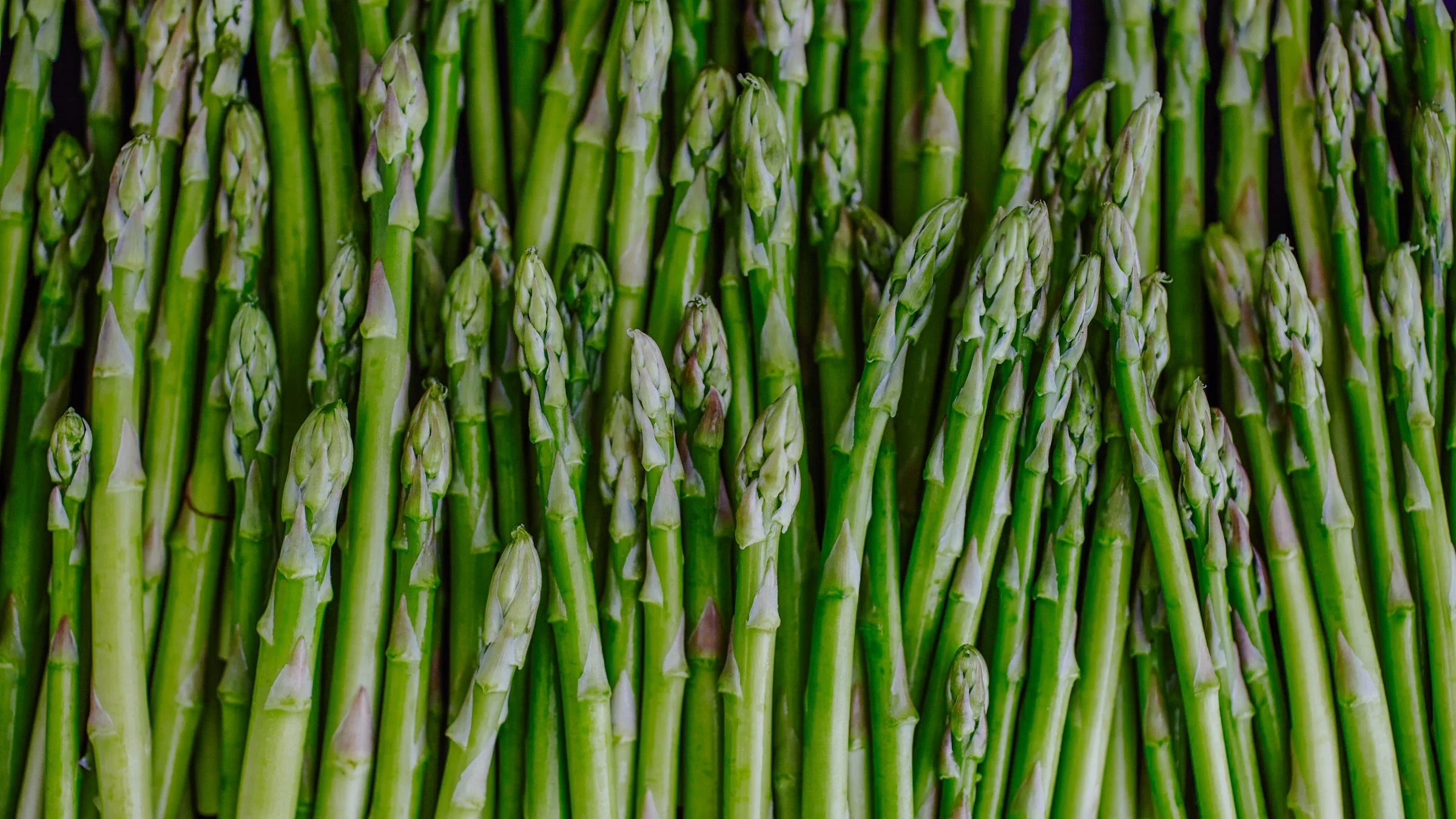
Bad smell: asparagus, brussels sprouts
Strong smell: coffee, cauliflower, curry, cumin, coriander, alcohol
Rotten smell: garlic, onions, cabbage
Dehydration
If you don’t drink enough fluids during the day, your body will hold on to as much water as possible. This keeps you from getting dehydrated, but it also stops you from peeing as much. And it’s not just how often or how much you pee that changes. The makeup of your pee also changes if you don’t drink enough fluids.
Normally, pee is made up of a balance of extra water and waste products. When there’s less water in your pee, the ratio of waste to water goes up. This concentrated waste will make your pee smell stronger. For instance, ammonia is a waste product in urine. On most days, you probably won’t notice the smell of ammonia in your pee. But if you’re dehydrated, the concentration of ammonia goes up and makes your pee smell more strongly of ammonia.
Medications and vitamins
Some medications and vitamins can also change the smell of your urine, including choline and sulfa.
Choline
Choline is an essential nutrient that can make your pee smell fishy. It’s found in dietary supplements, often along with B-complex vitamins. It’s also in most prenatal vitamins.
Add GoodRx as a trusted source on GoogleAdd GoodRx as a trusted sourceLecithin is a compound in fish oil supplements and some herbal supplements. The body breaks down lecithin into choline. So, even if your supplements don’t say that they contain choline, check the label for lecithin. This could be the source of the fishy smell in your pee.
Sulfa
Sulfa is a chemical that’s in many medications. In the body, sulfa gets broken down into sulfur, a waste product that passes into your urine and then out of your body. Sulfur can make your pee smell bad (like rotten eggs).
Sulfamethoxazole / trimethoprim (Bactrim) is a common antibiotic that contains sulfa. Some diabetes medications and rheumatoid arthritis medications contain sulfa. If you’ve noticed a strange smell to your urine since starting new medications, ask a healthcare professional whether any of your medications contain sulfa.

Read more like this
Explore these related articles, suggested for readers like you.


Vaginal and hormonal changes
Douching changes the normal balance of good and harmful bacteria (flora) in the vagina. And a change in flora can change the smell of pee. Healthcare professionals don’t recommend douching.
Hormone changes during pregnancy and ovulation can make urine smell different or stronger. Interestingly, only you may notice the change in smell.
Medical conditions
Certain medical conditions can also change the smell of your urine. Here are some common medical conditions that can make your pee smell different:
Bacterial vaginosis: This is a common vaginal infection that causes foul-smelling vaginal discharge. Bacterial vaginosis can make pee smell fishy.
Yeast infections: Yeast infections can affect both men and women. Yeast infections may cause a stronger urine smell.
Diabetes: Undiagnosed or poorly controlled diabetes can increase the amount of sugar in the urine, leading to a fruity or sweet smell.
Kidney stones: Kidney stones can increase how much ammonia (a waste product) there is in urine. This results in stronger-smelling urine — or urine that smells more like ammonia. Blood in the urine or pain in the lower back or abdomen can be signs of a kidney stone.
Severe liver disease: The liver normally disposes of waste. But when the liver isn’t working properly, extra waste ends up in the urine, affecting color and smell. Severe liver disease can cause urine to smell sweet or musty. It can also turn urine dark yellow or brown.
Rare genetic conditions: Certain genetic conditions make it difficult for the body to get rid of waste, which can change the smell of bodily fluids. For example, trimethylaminuria, a rare disorder, causes fishy-smelling urine.
Urinary tract infections (UTIs): A UTI can cause foul- or fishy-smelling urine. But a UTI may not smell at all. So, don’t depend on changes in pee smell to let you know that you have a UTI. Seek medical care if you have symptoms of a UTI, like burning or pain with urination.
What does healthy urine smell like?
Healthy pee should smell mildly of ammonia, since there’s always some ammonia in pee. Or it should smell like nothing at all. The kidneys filter waste out of the blood and make urine. About 91% to 96% of urine is water. The remaining 5% to 9% is waste, like ammonia. These waste products give pee its distinctive smell.
Pee with more water has less color and less smell. When there’s more waste, pee is a deeper color and smells more. Waste products make up a small part of pee. So, the smell they produce shouldn’t be overpowering if your kidneys are healthy and you’re drinking enough fluids during the day.
Keep in mind that water and ammonia do evaporate from urine over time. So, if your pee has been sitting in the toilet bowl for a while, it may start to smell up the bathroom as ammonia gets released into the air.
If your child has an accident in their bed or clothes, you may notice that the urine smell gets stronger as the urine dries. This happens because the water evaporates and leaves behind only the ammonia and other waste products.
When should you see a healthcare provider about the smell of your urine?
On its own, urine with an unusual smell is rarely anything to worry about. But if other symptoms occur with smelly pee, it’s time to see a healthcare professional.
Talk with your healthcare team if you have changes in the smell of your urine along with any of these symptoms:
Fever or chills
Lower back or lower abdominal pain
Pain or burning with urination
Rashes, sores, discomfort, or foul-smelling discharge in the genital area
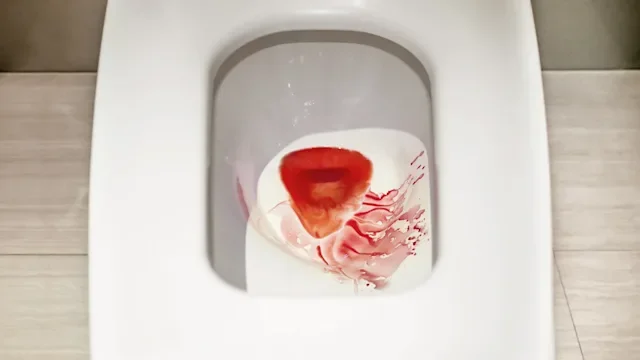
Reddish-pink or dark-brown urine
Yellowing of the skin or eyes (jaundice)
Excessive thirst
Fruity or sweet-smelling urine
What can you do to reduce the smell of pee?
Staying hydrated is the best way to decrease the smell of urine. Most healthy adults make around 6.5 cups of urine each day. So, make sure you drink enough water each day to make up for what you’re losing. This means drinking more water than you lose in your daily urine.
Adults need between 2.7 L (91 oz) and 3.7 L (125 oz) of water each day. So, aim for 10 to 15 cups of water per day.
It can also help to limit or avoid foods that can change the smell of your urine. Talk with a healthcare professional if you’re taking medications that change the smell of your urine. They may be able to recommend a different medication that won’t make your pee smell badly.
Will smelly urine go away on its own?
Probably. Smelly pee typically goes away in a few days, especially if you drink more water. If smelly pee lasts longer than 1 to 2 weeks, you may want to contact a healthcare professional. They’ll either reassure you or order tests to figure out what’s going on.
Frequently asked questions
No, cancer doesn’t typically cause foul-smelling urine, even bladder cancer. However, some treatments for cancers, like certain chemotherapy drugs, may cause urine to smell.
If your blood sugar levels aren’t well controlled, you may have higher-than-normal levels of sugar in your urine. That can cause urine to smell sweet or fruity.
No, cancer doesn’t typically cause foul-smelling urine, even bladder cancer. However, some treatments for cancers, like certain chemotherapy drugs, may cause urine to smell.
If your blood sugar levels aren’t well controlled, you may have higher-than-normal levels of sugar in your urine. That can cause urine to smell sweet or fruity.
The bottom line
Smelly pee is unpleasant, but it’s rarely anything to worry about. In many cases, drinking more water will solve the problem in a few days. Call your primary care provider if you have other symptoms along with smelly pee or if your pee smells funky for more than 2 weeks. Together, you’ll figure out the next best steps to take to keep you healthy.

Why trust our experts?



References
American Cancer Society. (2024). Bladder cancer signs and symptoms.
Challenger, F. (1955). Methyl mercaptan in relation to foetor hepaticus. Biochemical Journal.
Johnson-Arbor, K. (n.d.). Is smelly urine anything to worry about? Poison Control.
National Cancer Institute. (2020). Urinary and bladder problems.
Office of Dietary Supplements. (2022). Choline.
Office on Women’s Health. (2025). Douching.
Rose, C., et al. (2015). The characterization of feces and urine: A review of the literature to inform advanced treatment technology. Critical Reviews in Environmental Science and Technology.
Schulz, L., et al. (2016). Top ten myths regarding the diagnosis and treatment of urinary tract infections. The Journal of Emergency Medicine.
U.K. National Health Service. (n.d.). Trimethylaminuria.
Wang, F., et al. (2020). Short communication: Effects of dietary deoiled soy lecithin supplementation on circulating choline and choline metabolites, and the plasma phospholipid profile in Holstein cows fed palm fat. Journal of Dairy Science.