Knee Replacement: Your GoodRx Guide


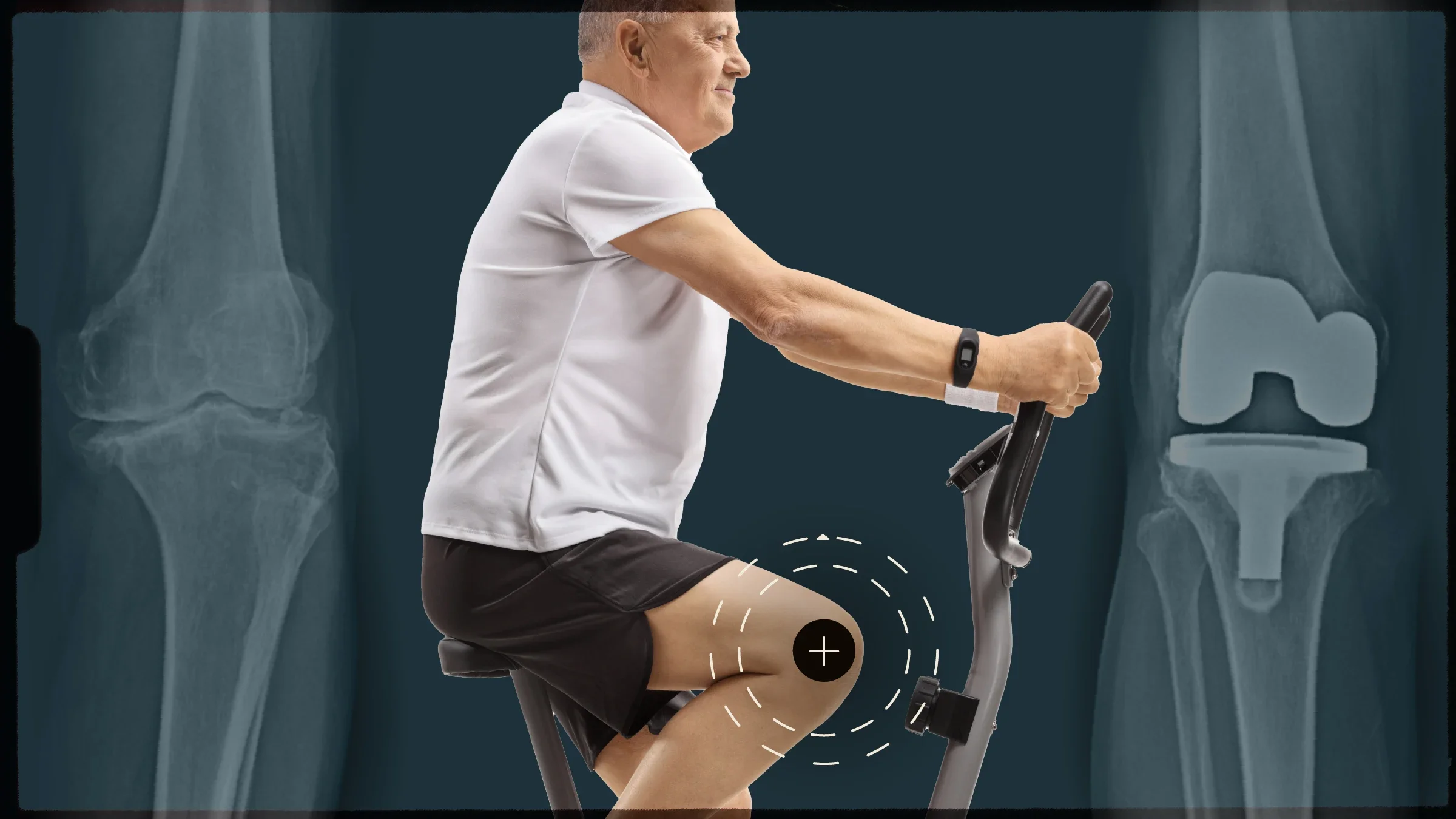
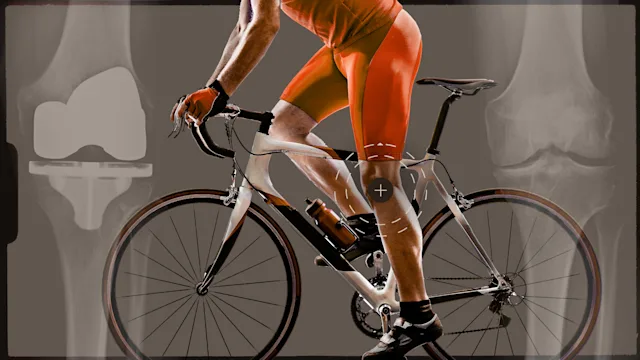
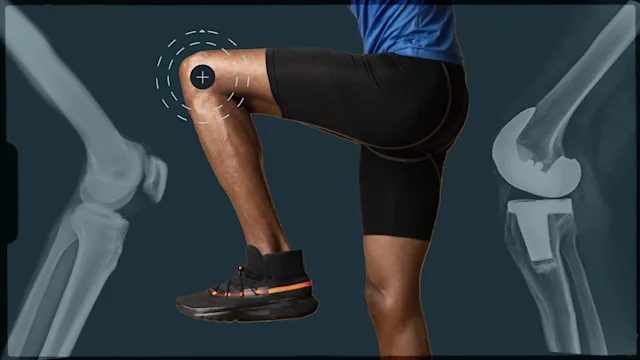
A knee replacement is a procedure to replace all or part of a damaged knee joint with an implant. It involves removing damaged cartilage, a small part of the end of the femur (thigh bone) and the tibia (shin bone) to prepare the bones to receive an implant. The surgeon will replace the removed tissue with metal parts resembling the knee joint.
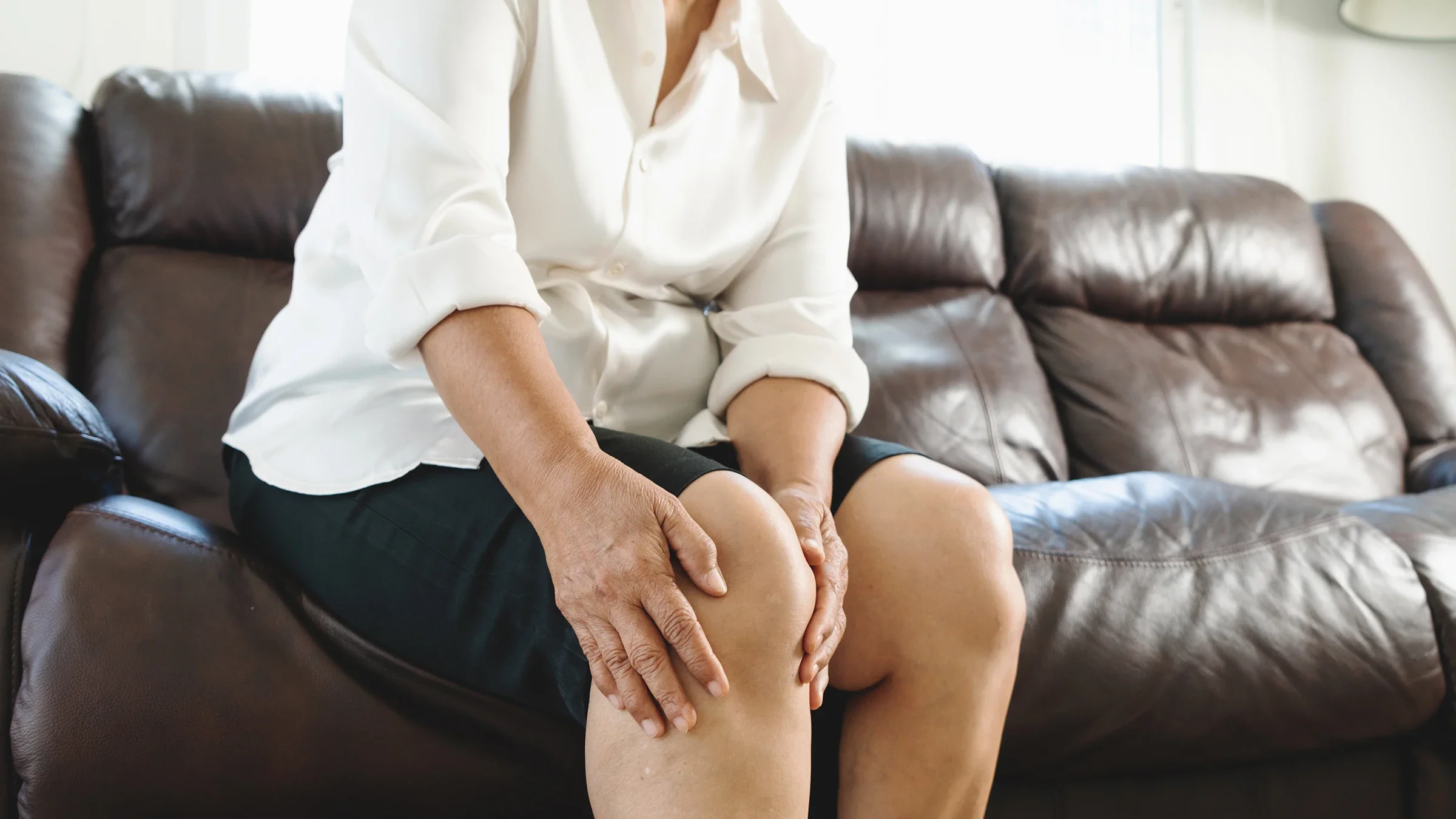
Knee replacement surgery is indicated for people with arthritis who don’t respond to medications, weight loss, physical therapy, and injections. Common types of knee arthritis include:
Osteoarthritis, which is the most common and is due to normal wear and tear of the joint
Rheumatoid arthritis, which is an an autoimmune condition
Post-traumatic arthritis, which occurs after knee trauma or fractures
People who have ongoing pain or are unable to do their normal activities may be candidates for knee replacement. This would include those who cannot walk without assistance or climb stairs. The goal of surgery is to relieve pain and improve the ability to move and function. Results from a successful surgery can last up to 25 years.


There are different types of knee replacement based on the amount of damage and type of repair needed.
Total knee replacement (TKR) is the classic type of knee replacement. This involves replacing many areas of the knee joint. It’s often recommended when there’s severe pain and substantial damage to the joint. TKR surgery has good success rates. Many people experience pain relief and increased mobility as a result.
Partial knee replacement (PKR) involves repair of only one of the knee compartments. This procedure requires a smaller incision, and people usually recover sooner than with a TKR. People with PKR may feel like the result is a more natural-feeling joint than a TKR. And they have less pain after surgery. But, if arthritis develops in other parts of the knee, more surgery may be needed in the future.
In traditional TKR, cement is used to adhere the implant to the bone to have them stay in place. Cement is often preferred for people who may need extra support, like those with osteoporosis or rheumatoid arthritis.
One advantage of cemented TKR is that antibiotics can be added to the cement to help reduce the risk of infection. But it’s possible for the implant to loosen or detach at the area of the cement.
Cementless or “press fit” TKR has become more popular over time. In this procedure, the bone integrates with the implant in a natural process over time. Some people who may benefit from a cementless replacement include those who are:
Younger
More active
Have a heavier body weight
Advantages of cementless TKR include less time in surgery and blood loss. Disadvantages include possible fracture when the implant is inserted into the bone, or that the bone doesn’t grow into the implant.
There are several different operative techniques to perform a TKR. These include:
Robotic assistance surgery
Computer navigated surgery
After knee replacement, the implant may begin to wear. If you’re very active or gain a significant amount of weight, your implant may become loose and painful. And you may need to have a revision TKR. This is where the surgeon replaces some or all parts of the implants with new ones.
Loosening, infection, and instability of the knee joint are common reasons for revision surgery. People who undergo PKR are more likely to require revision surgery than those with TKR. Younger people who have TKR due to osteoarthritis are also more likely to need revision surgery.
As with any surgery, there’s a risk of complications with knee replacement surgery. The risk is higher in people with obesity, diabetes mellitus, and people who smoke. Some risks and complications include:
Blood clots
Fractures (around the implant)
Stiffness or loss of motion
Joint instability
Loose prosthetic components
Blood vessel or nerve injury
Pain
After knee replacement surgery, you may leave the hospital the same day. But, you may recover in the hospital for 1 to 3 days. Most people can return to their usual activities after recovery.
Moving the joint soon after surgery shortens the length of your hospital stay and overall costs of surgery. Some people are able to stand or walk the same day of surgery with the help of physical therapy.
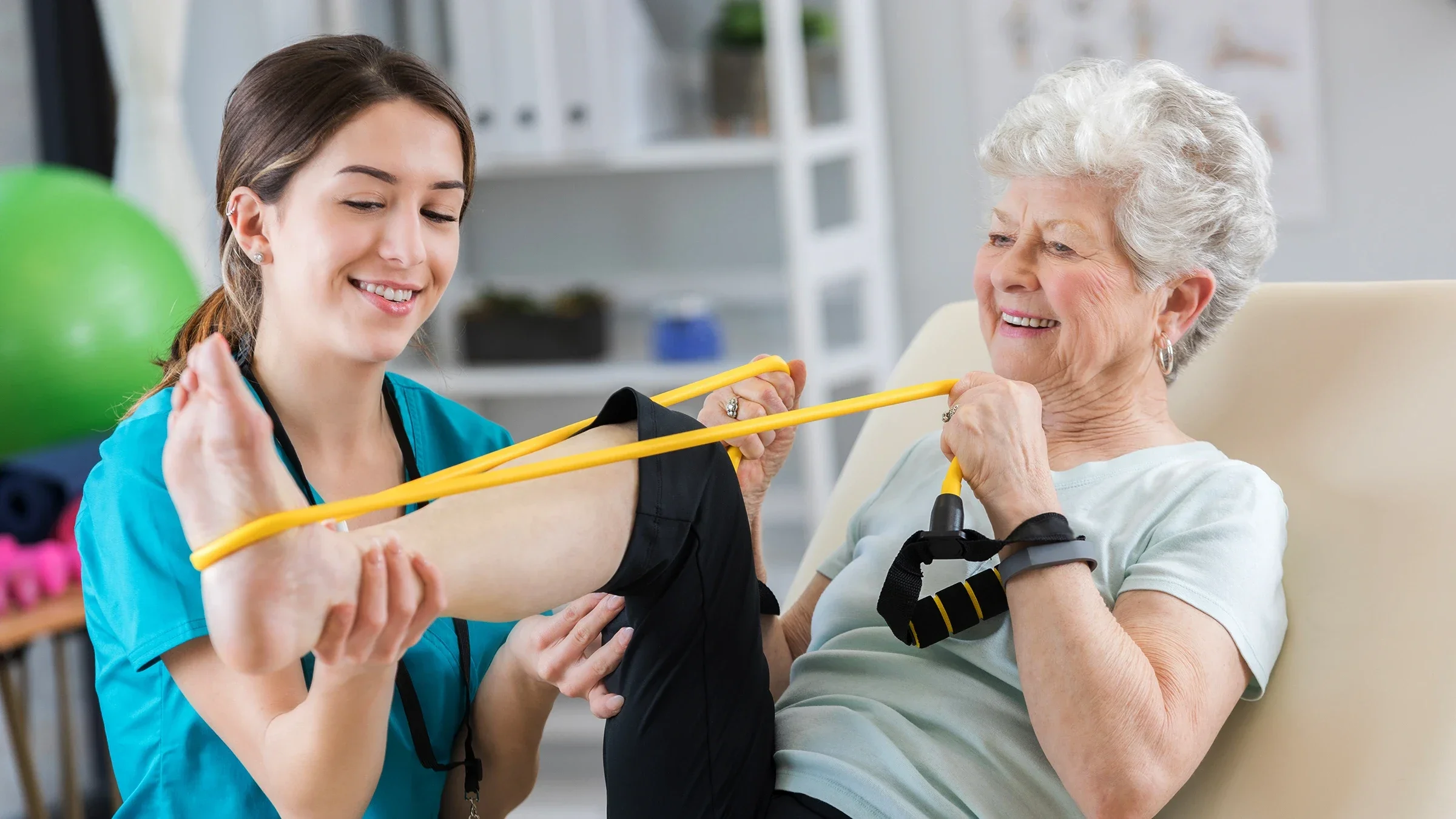
Older adults or those with chronic disease may go to a rehabilitation hospital after the surgery. Or you may receive physical therapy at home or in an outpatient clinic. Regular exercise can help restore strength and mobility. After surgery, therapy may consist of:
Strength training and range of motion exercises of the knee
Cold therapy for pain relief
Physical activity (aquatic or land-based)
Balance, walking, and movement training
Nerve blocks and medications may be applied before and during surgery for pain after TKR. Over-the-counter pain relievers like acetaminophen and ibuprofen may control pain after surgery. For severe pain, your healthcare provider may prescribe opioids as needed.
Total recovery depends on your medical condition and the type of surgery you have. Initial recovery usually takes up to 3 months. But you may need to continue working on strength and endurance for up to 1 year.
Total recovery depends on your medical condition and the type of surgery you have. Initial recovery usually takes up to 3 months. But you may need to continue working on strength and endurance for up to 1 year.
There’s no specific age to get a knee replacement, but it’s mostly done in people older than 65 years. Younger, more active people may be at a greater risk of prosthetic wear and loosening. Many young people opt for a partial knee replacement to have a faster recovery, greater range of motion, and higher levels of activity.
If you need a knee replacement and you delay it, arthritis may continue to gradually progress. This may lead to increased pain and impaired movement. Waiting too long may limit the joint and increase your risk of disability.
Al-Jabri, T., et al. (2021). Management of instability after primary total knee arthroplasty: An evidence-based review. Journal of Orthopaedic Surgery and Research.
American Academy of Orthopaedic Surgeons. (2022). Surgical management of osteoarthritis of the knee: Evidence-based clinical practice guideline.

Prescription savings
Stop paying too much for your prescriptions. Compare prices, get pharmacy coupons, and save up to 80%. Find expert answers to your health questions so you can make the best decisions for yourself and your family.
Health conditions
Medications & treatment
Access & affordability
 Our monthly healthcare membership can help you save thousands on your prescription costs.
Resources