Key takeaways:
Vasovagal syncope is a type of fainting that happens when your nervous system reacts to a painful or stressful trigger.
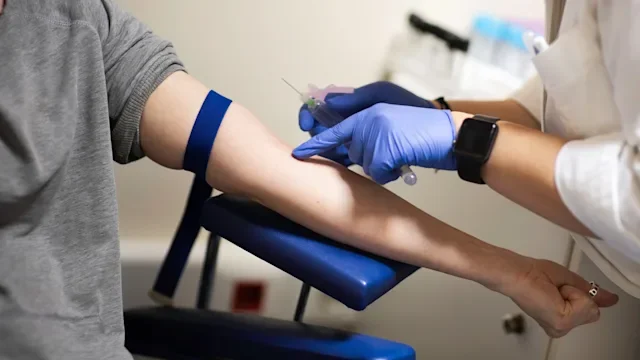
Passing out from giving blood can be related to fear of needles or blood, stress about the process, dehydration, or pain. Vasovagal syncope happens more often in people donating blood for the first time.
You can help prevent passing out when giving blood by staying hydrated, keeping calm, and using a technique called applied muscle tension (AMT).
The experience of passing out or fainting can happen to anyone. In fact, about 1 in 3 people will experience an episode at some point in their life. The triggers of a fainting episode can vary, but giving blood is a common one.
It’s not usually harmful, but it can be an unpleasant or frightening experience. If you’re thinking about donating blood, it can be helpful to understand why it happens and, most importantly, how to prevent it.
What is vasovagal syncope?
The medical term for fainting or passing out is vasovagal syncope. This is when your nervous system triggers a sudden drop in heart rate and blood pressure. This, in turn, lowers blood flow to your brain and causes you to faint.
The nervous system talks to your heart and blood vessels through something called the vagus nerve. The vagus nerve is a nerve that’s part of the parasympathetic nervous system. This is the part of your nervous system that helps your body relax. The vagus nerve has a calming effect, and so it can naturally help lower your blood pressure and heart rate.
If the vagus nerve is overstimulated, it can make your blood pressure and heart rate drop suddenly. This results in a quick drop of blood flow to the brain. This can make you feel lightheaded, sweaty, or nauseated. Any of these symptoms are known as a vasovagal response. If you pass out completely, it’s called vasovagal syncope.
What causes fainting or lightheadedness (vasovagal response) during a blood draw?
A vasovagal response happens when your nervous system reacts to a trigger — like stress or pain — and causes your blood pressure to drop. A blood draw is just one example of something that can trigger the vasovagal response.
Common triggers of vasovagal response
Sometimes, a vasovagal response can happen without an obvious trigger. But more often, a vasovagal response will be triggered by one or more of the following:
Pain
Emotional distress
Fear
Dehydration
A hot environment
Standing up for a long time
Fainting during blood donation is more common in first-time blood donors. This might be because you’re less likely to know what to expect when it’s your first time. So, the sight of needles or blood, plus the fear of what’s going to happen, is more likely to create distress and trigger a vasovagal response.
Is it common to pass out while giving blood?
Passing out from giving blood isn’t as common as vasovagal syncope in general. It happens in about 1% to 2% of blood donations.
Donating blood is generally safe, with low rates of complications. However, passing out is still one of the more common possible side effects. Thankfully, most people will fully recover within about 20 to 30 seconds.
What are the signs of a vasovagal response?
It helps to be aware of the early signs of a vasovagal response. These are some symptoms you might feel before passing out:
Lightheadedness
Warmth and nausea
Tunnel vision
Ringing in the ears
Sweating

Read more like this
Explore these related articles, suggested for readers like you.



If you start to feel these symptoms, you should alert a nearby healthcare professional, lie down immediately, and elevate your legs. This will increase the blood flow to your brain, and it can prevent the actual passing out part. It can also help prevent injuries from a sudden fall.
Is it safe to donate blood if you have vasovagal syncope?
Yes, you can still donate blood if you have a history of vasovagal syncope. But it’s important to share your history with the facility’s healthcare professionals when you go to donate blood. They can keep an eye on you and help you take steps to prevent fainting.
The more familiar you are with the blood donation process, the less likely you are to faint. One study showed that vasovagal reactions happened in about 4% of first-time blood donors but in less than 0.6% of repeat donors.
How do you prevent passing out when donating blood?
There are several steps you can take to prevent passing out when donating blood.
Before giving blood
Here are some things to do before you even arrive to the blood donation center:
Take some time beforehand to become familiar with what to expect.
Drink plenty of fluids and make sure you’re well hydrated.
Eat something, so you don’t have an empty stomach.
Practice some deep-breathing techniques to help keep you calm, if the idea of donating blood makes you feel anxious.
How applied muscle tension can prevent passing out
Applied muscle tension (AMT) is a technique that involves tensing specific muscles in your body. This can help increase blood pressure so you’re less likely to pass out.
If you’ve fainted in the past, or you’re donating blood for the first time, follow these steps to help prevent a fainting episode:
Cross your legs.
Squeeze your knees together and tense up your abdominal muscles.
Hold for 5 seconds.
Relax for 5 seconds.
Repeat this cycle.
This simple technique has been proven to help prevent and reverse vasovagal responses during blood donations. The best part? It can start to work within 2 to 3 seconds of starting the exercise.
What to do if you faint from drawing blood
If you faint from drawing blood, you’ll probably wake up quickly. But you may feel groggy, nauseated, and weak at first. Following these steps will help you recover fully from fainting:
Lie down and elevate your legs to help blood flow to your brain.
When your head no longer feels dizzy, sit up. But don’t try to stand yet.
Ask someone nearby to bring you something to drink (preferably with a little sugar in it) and a snack (preferably with a little salt in it).
Do some AMT exercises.
When you feel like your symptoms have fully passed, slowly start to stand up. It’s best to have someone nearby to help, in case you start to feel dizzy again.
Most cases of vasovagal syncope will resolve quickly. You should feel back to normal before leaving the blood donation center.
Contact a healthcare professional if you’ve had more than one episode of vasovagal syncope or have any persistent or worsening symptoms.
The bottom line
Passing out when donating blood can be frightening. Thankfully, there are steps you can take to help prevent vasovagal syncope during blood donation. Get familiar with what to expect before you go. Make sure to drink plenty of fluids, and practice deep breathing and applied muscle tension techniques beforehand. If you feel yourself getting lightheaded or faint, immediately lie down and elevate your legs.
And if you do faint, that doesn’t mean you should avoid giving blood. Take comfort in knowing that it’s much less common to faint the second time around.

Why trust our experts?




References
American Red Cross. (n.d.). First time donors.
American Red Cross. (2023). Say goodbye to fainting when donating blood.
Jardine, D. L., et al. (2018). Pathophysiology of the vasovagal response. Heart Rhythm.
Jeanmonod, R., et al. (2023). Vasovagal episode. StatPearls.
Kang, S., et. al. (2023). Vasovagal syncope. Cedars Sinai.
Philip, J., et al. (2014). A single-centre study of vasovagal reaction in blood donors: Influence of age, sex, donation status, weight, total blood volume and volume of blood collected. Asian Journal of Transfusion Science.
Salari, N., et al. (2024). Global prevalence of vasovagal syncope: A systematic review and meta-analysis. Global Epidemiology.
Wang, C., et al. (2022). Prevention of blood donation-related vasovagal response by applied muscle tension: A meta-analysis. Journal of International Medical Research.
Wiersum-Osselton, J. C., et al. (2014). Risk factors for complications in donors at first and repeat whole blood donation: A cohort study with assessment of the impact on donor return. Blood Transfusion.