Got a cut from the kitchen knife again? Your next few hours can determine whether that bloody wound becomes a scar — or not.
The six hours following an injury is the most crucial time to prevent scarring, according to Kaveh Alizadeh, MD, the Chief of Plastic and Reconstructive Surgery at Westchester Medical Center and New York Medical College.
First of all, be safe: Call a doctor if your wound is deep enough to see muscle or fat. If it’s only a partial thickness wound — meaning it doesn’t go further than just the skin — you should be able to treat it yourself and your chances of obvious scarring are lower.
Search and compare options
Here’s what to do to prevent scars from forming.
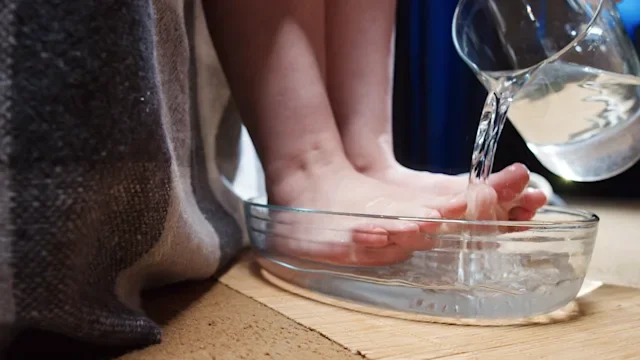
Clean it up. Skip hydrogen peroxide and other harsh products, and wash with mild soap and warm water around the wound according to the American Academy of Dermatology. It's best to wash under running water, but do not apply soap directly in the wound. Then, apply petroleum jelly or antibiotic ointment and cover with a bandage. (Learn more about how to treat a cut here.)
Protect against the sun. Once the wound has healed and the two sides have “resealed,” keep the healed cut away from sunlight. Many people believe a tan can help fade scars, but this actually makes scarring worse. The sun’s rays increase pigmentation in the skin and actually make scars stand out more. You should apply sunscreen (which you should be doing daily anyway) and wear sun-protective clothing over the scarred area if possible. (Learn what type of sunscreen is right for your skin here.)
Try a silicone sheet. These sheets can help keep the scar from raising too much, and they’ll help the scar form a color more similar to your natural skin tone as it matures.
For more tips, here are scar prevention myths that may ruin your skin.
Dr. Alizadeh is a board-certified Plastic Surgeon with private practices in New York City and Long Island and formerly served as the Chief of Plastic and Reconstructive Surgery at Westchester Medical Center and New York Medical College.
References
American Academy of Dermatology. (n.d.). Proper wound care: How to minimize a scar.
Landén, NX, et ak. (2016). Transition from inflammation to proliferation: a critical step during wound healing. Cellular and Molecular Life Sciences.

Why trust our experts?