Key takeaways:
The first nurse practitioner (NP) program was developed in 1965 by registered nurse Loretta Ford, RN, EdD, and Henry Silver, MD.
Today there are more than 200,000 practicing NPs in the U.S.
NPs are educated in a master’s or doctoral program before obtaining certification in a population foci.
Nurse Practitioner Week, which celebrates nurse practitioners (NPs) and raises awareness of their unique contributions, is November 13 to 19, 2022. With over 200,000 NPs practicing in the U.S. and a projected growth of 40% between 2021 to 2031, NPs are a vital component of the healthcare delivery system.
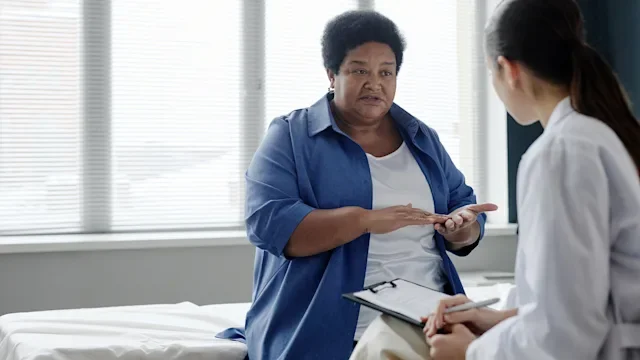
NPs are advanced practice registered nurses who complete a master’s or doctoral level of education. They provide primary, acute, chronic, and specialty care to patients of all ages. NPs are trained to diagnose, treat, and manage acute and chronic conditions while educating patients on how to manage their health and prevent disease. NPs can be found in varied settings like clinics, hospitals, offices, nursing homes, schools, and public health departments.
Here’s how the NP profession developed, as well as a look at where it stands today.
How nurse practitioners came to be
The first NP program was developed in 1965 at the University of Colorado by nurse Loretta Ford, RN, EdD and Henry Silver, MD. Ford and Silver recognized the increased need for primary care providers, particularly for underserved pediatric patients.
In 1965, Medicare and Medicaid coverage were expanded, increasing the number of patients who qualified for primary care services. In particular, low-income women, children, the elderly, and those with disabilities became eligible for much-needed care. But there weren’t enough primary care physicians to meet that need.
Ford and Silver felt that specially trained nurses could fill this gap, so they established a certificate program to educate nurses. Eventually, in the 1970s, the University of Colorado program transitioned to a master's degree program. American Academy of Nurse Practitioners Certification Program
Over time, the profession has become more established, with an increasing number of programs, a national association, and greater scope of practice.
Timeline of NPs
1965 - Ford and Silver develop the first NP program at the University of Colorado.
1967 - Boston College begins a master's degree program for NPs.
1973 - The National Association of Pediatric Nurse Practitioners (NAPNAP) is founded, and more than 64 NP programs are in operation.
1974 - The American Nurses Association (ANA) develops the Council of Primary Care Nurse Practitioners.
1977 - The ANA begins offering certification exams for NPs.
1985 - The American Academy of Nurse Practitioners (AANP) is founded. By the end of its first year, AANP has 100 members.
1989 - Ninety percent of NP programs award either master's or post-masters degrees. Congress also passes the Omnibus Reconciliation Act of 1989, creating limited reimbursement for NP services.
1993 - The AANP forms the American Academy of Nurse Practitioners Certification Board.
1997 - The Balanced Budget Act of 1997 grants NPs direct reimbursement for billing.
2004 - The first National Nurse Practitioner Week is recognized in a proclamation by Congress.
Today - More than 200,000 NPs practice in the U.S., and full scope of practice is recognized in 21 states and the District of Columbia.
Role of NPs through the years
Ford and Silver envisioned the NP role as bridging the gap in care for low-income children in rural healthcare settings. NPs would work collaboratively with their physician counterparts.
From the onset, however, NPs faced opposition from both nurses and physicians. Nurses worried that the NP role crossed the boundaries of nursing into the realm of “practicing medicine.” Physicians raised concerns that NPs weren’t qualified to provide medical care usually delivered by a physician.
But according to over 50 years of research, NPs have demonstrated the ability to provide care with outcomes comparable to that of their physician colleagues in a number of settings.
The role of today’s NP includes:
Assessment
Coordinating care
Counseling patients about prevention, diagnosis, and treatment plans
Initiating and managing treatment plans
Making diagnoses
Ordering, performing, supervising, and interpreting diagnostic labs and testing
Prescribing medication and non-pharmacological treatments
Specialization
Today’s NP is certified in a population foci of specialization. Areas of specialization include:
Acute care pediatric nurse practitioner (CPNP-AC): pediatric care of acute or chronically ill children in emergency departments or specialty clinics
Adult-gerontology acute care nurse practitioner (ACNPC-AG): care of acutely ill adults in areas such as emergency departments, hospital units, or clinics
Adult-gerontology nurse practitioner (A-GNP): primary care of older adults, most often in outpatient clinic settings
Family nurse practitioner (FNP): care of all ages throughout the lifespan
Neonatal nurse practitioner (NNP): care to newborns in neonatal intensive care units, emergency departments, and outpatient clinics
Pediatric nurse practitioner (PNP): pediatric care in inpatient or outpatient settings
Psychiatric mental health nurse practitioner (PMHNP): psychiatric care to all ages in outpatient clinics, inpatient, and telemedicine
Women’s health nurse practitioner (WHNP): care in obstetrics and gynecological health of women throughout their lifespan
NPs with the above credentials can further specialize in cardiology, dermatology, orthopedics, or oncology.
Impact of COVID-19 on NPs
Even before the COVID-19 pandemic, the World Health Organization had designated 2020 as the “Year of the Nurse and Midwife.” But the pandemic illustrated just how vital nurses and nurse practitioners are in providing healthcare across the globe. Unprecedented numbers of patients required care that would not have been possible without the efforts of NPs.
During the pandemic, several states lifted restrictions to NP practice, increasing patient access to care. The Coronavirus Aid, Relief and Economic Security (CARES) Act also allowed NPs to order and provide care for Medicare-eligible home health patients. An Institute of Medicine report had previously highlighted the need to remove restrictions to NP practice to meet increasing demand in healthcare.
What does the future hold for NPs?
NP advocate groups hope that barriers to full practice will remain permanently waived and usher in a new era where NPs can provide unrestricted care for their patients. But resistance remains strong from physician groups that believe physician oversight is required to ensure patient safety.
In reduced practice states, NPs must maintain a collaborative or supervisory agreement with a physician. These practice requirements directly oppose the recommendations from the Institute of Medicine report.
In addition to scope of practice barriers, NPs often encounter insurance and reimbursement issues, credentialing, and staff privilege problems. The National Council of State Boards of Nursing proposes the implementation of a consensus model, which would provide uniformity across states in the regulation of advanced practice registered nurse roles and licensure.
Despite these challenges, the future of NPs remains strong. The NP field continues to grow during a projected shortage of up to 100,000 physicians by the year 2030. Over the next 10 years, the Bureau of Labor Statistics predicts job growth of 40% for NPs. And NPs are ranked at No. 2 out of the best 100 jobs by U.S. News and World Report.
The bottom line
Why trust our experts?


The NP profession has grown from a certificate training program for registered nurses developed in 1965 to master’s or doctoral-level education programs offered at over 400 academic institutions in the U.S. Today’s NPs provide care to patients across the lifespan and can be found in hospitals, offices, and clinics. The role continues to evolve, and as practice barriers are eliminated, NPs are poised to provide quality care to many patients.