Healthcare Professionals

Innovative Uses of Collaborative Practice Agreements Between Pharmacists and Providers

Alex Evans, PharmD, MBALindsey Mcilvena, MD, MPH
Written by Alex Evans, PharmD, MBA | Reviewed by Lindsey Mcilvena, MD, MPH
Published on December 6, 2022

Key takeaways:

  • Collaborative practice agreements (CPA) are formal arrangements between prescribers and pharmacists that allow pharmacists to offer expanded services under the supervision of the prescriber.

  • Services provided under these agreements include vaccinations and the prescribing and modification of drug therapy independently by pharmacists.

  • CPAs have also been used in creative ways to improve care of communities in need. Some examples include giving barbers the opportunity to screen their customers for hypertension and referring them to a pharmacist working under a CPA.

Collaborative practice agreements, often signed between prescribing providers and pharmacists, allow pharmacists to offer added services to their patients under the supervision of a physician. In a previous post, we looked at state laws regarding collaborative practice agreements and how some states are using this tool to improve care in their communities.

Here, we’ll look at how providers and pharmacists have come together to use collaborative practice agreements in a unique way. This has allowed them to reach more patients while also adding a revenue source to their practice.

What are collaborative practice agreements?

Collaborative practice agreements (CPA) are a formal arrangement between a prescriber and a pharmacist. They allow certain aspects of patient care to be delegated to the pharmacist under conditions set forth in both state law and in the agreement.

Examples of patient care activities pharmacists might be able to conduct under a CPA include:

  • Prescribing of certain medications and supplies

  • Modifying drug therapy

  • Giving vaccines

  • Providing point-of-care testing services

Do some states require collaborative practice agreements?

No state requires pharmacists to enter into a CPA for most activities within their scope of practice. But, nearly every state regulates the conditions of those agreements. In some cases, that includes the state using its authority to add blanket authority to all pharmacists’ scope of practice.

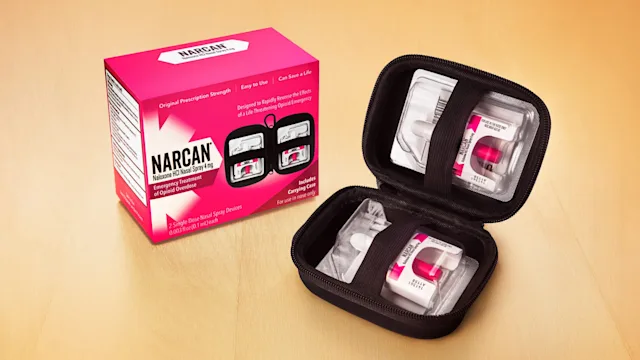
For example, all 50 states now allow pharmacists to prescribe naloxone as part of their efforts to combat the opioid crisis. Many states like Tennessee used the CPA — with the prescriber serving in a leadership role at the state department of health — to quickly implement the initiative.

What are the benefits of collaborative practice agreements?

CPAs can improve the health of communities by allowing pharmacists to use their education and training to fill in gaps in care and help meet the demand for healthcare services.

This was perhaps best seen during the COVID-19 pandemic, when pharmacists were called on to give COVID testing and help children stay caught up on their routine vaccinations. They also had to vaccinate the country against COVID after the approval of the vaccines.

But, the benefits of CPAs go far beyond the COVID pandemic.

Pharmacists practicing under these agreements play a key role in public health by:

  • Optimizing medication therapy

  • Treating minor illnesses

  • Offering routine health screenings

  • Ordering and interpreting drug-related tests

Creative examples of collaborative practice agreements

Some prescribers and pharmacists have gone beyond the traditional model of pharmacists working inside a brick-and-mortar store. Instead, they have used CPAs to allow them to go out into the community to provide care.

Barbers improving hypertension screening and care in Los Angeles

In a widely publicized 2018 trial led by Dr. Ronald Victor, 52 black-owned barbershops in LA were recruited to help healthcare providers screen for untreated hypertension in their communities.

Participants were divided into two groups. In one group, barbers encouraged lifestyle changes and participants to make an appointment with their provider. In the other group, however, participants were referred to pharmacists who prescribed drug therapy under a CPA with the patient’s provider.

This trial found that pharmacists operating under a CPA can improve outcomes by expanding access and shortening the time from screening to treatment. 

At 6 months, systolic blood pressure dropped by 27mmHg in patients in the pharmacist referral group. But, the same number fell by only around 9mmHg in the lifestyle group. Also, a blood pressure of less than 130/80 was reached in almost 2 out of 3 patients in the pharmacist referral group, but in only about 1 out of 10 patients in the lifestyle group.

Advanced practice at a federally qualified health center (FQHC)

Another health center has been so successful in implementing CPAs to improve care that they have been highlighted in a case study by CDC.

El Rio Community Health Center, located in Pima County, Arizona, is the largest healthcare provider for uninsured and Medicaid residents of their community. While Medicaid does remove many barriers to care the uninsured face, they also reimburse the lowest rate of any payer. So having a high Medicaid population can be challenging for clinics and hospitals.

In 2011, 20% of El Rio’s patients had hypertension, but only about 2 out of 3 of those had it under control. What’s more, 12% had diabetes and 11% had both diabetes and hypertension.

That same year, Arizona passed legislation making CPAs less restrictive and more efficient for the clinic than they had previously been.

In response, El Rio implemented direct patient care services with pharmacists under a CPA so they can manage diabetes, hypertension, and hyperlipidemia.

After the patient is seen by one of El Rio’s physicians or nurse practitioners and referred to the pharmacist for chronic care management, the pharmacist can prescribe medications without any extra authorizations by the prescriber. The prescriber will then appear in the electronic health record (EHR) as a co-prescriber. Plus, changes the pharmacist makes to the patient’s regimen is tracked in the EHR.

After implementation, patients under El Rio’s care experienced better outcomes, including:

  • Greater reductions in A1c

  • Fewer emergency room visits

  • Lower cholesterol

  • Lower blood pressure

All of this translated into cost savings for the organization and overall lower healthcare costs as well.

The Asheville Project

The Asheville Project was a landmark project that began in 1997 and has been recognized by the American Pharmacists Association for its unique practice model.

In this model, Asheville city employees were connected with community pharmacists who had completed a diabetes certificate course and were paid to offer pharmaceutical care services, similar to what is termed chronic care management today.

Community pharmacists offered:

  • Diabetes education

  • Training on the use of their blood sugar meter

  • Information about adherence to their medications

  • Tips on lipid management

Pharmacists also referred patients to their physicians when necessary.

Even after 5 years, patients were still benefiting from pharmacist intervention. Compared to baseline, total direct medical costs in enrolled patients dropped by $1,200 annually and more than 50% of patients had a lower A1c with each follow-up visit. Also, more than 50% of patients showed improvement in lipid levels and one employer group reported fewer sick days every year.

Alongside diabetes, pharmacists participating in the Asheville Project also took care of patients with other chronic conditions, like hypertension, asthma, and high cholesterol.

The bottom line

why trust our exports reliability shield

Why trust our experts?

Alex Evans, PharmD, MBA, has been a pharmacist for 12 years. His first job was floating in a community chain pharmacy.
Lindsey Mcilvena, MD, MPH is board certified in preventive medicine and holds a master’s degree in public health. She has served a wide range of roles in her career, including owning a private practice in North County San Diego, being the second physician to work with GoodRx Care, and leading teams of clinicians and clinician writers at GoodRx Health.

Collaborative practice agreements (CPAs) are a legal tool that give pharmacists and physicians the opportunity to partner together to improve the care of their communities. It also gives them an extra source of revenue to help keep their practice thriving.

Some, like vaccinations and travel medicine, have become quite common. Other physician-pharmacist teams, though, are using CPAs to create new patient care models.

Was this page helpful?

Latest articles