






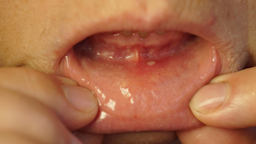
10 Medication Side Effects That Can Affect Your Mouth
Some medications cause mouth-related side effects, like dry mouth and burning mouth syndrome. Here are 10 common issues and medications that may cause them.
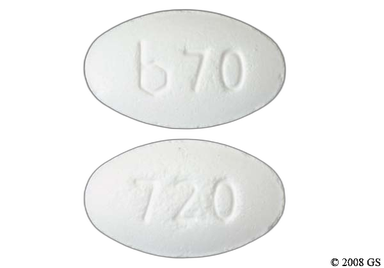
Alendronate sodium (Fosamax) is a bisphosphonate that prevents and treats osteoporosis. It works by slowing the breakdown of bones so that the body has a chance to build up more bone; this strengthens bones and lowers the risk of fractures. Alendronate (Fosamax) is taken by mouth, either daily or weekly dosing, depending on your dose. In addition to the tablet, it's also available as an oral solution and a dissolvable tablet (brand name Binosto). Some common side effects of alendronate (Fosamax) can include stomach pain, heartburn, and bone or muscle pain.

Alendronate (Fosamax) is a bisphosphonate. It attaches to bones to prevent bone breakdown, lowering the risk of fractures.
| Common Brands | Fosamax, Binosto |
|---|---|
| Drug Class | Bisphosphonate |
| Controlled Substance Classification | Not a controlled medication |
| Generic Status | Lower-cost generic available |
| Availability | Prescription only |

The following side effects may get better over time as your body gets used to the medication. Let your healthcare provider know immediately if you continue to experience these symptoms or if they worsen over time.
Contact your healthcare provider immediately if you experience any of the following.
Along with its needed effects, a medicine may cause some unwanted effects. Although not all of these side effects may occur, if they do occur they may need medical attention.
Check with your doctor immediately if any of the following side effects occur:
More common
Stomach pain
Rare
Skin rash
Incidence not known
Blistering, peeling, or loosening of the skin
bloating or swelling of the face, arms, hands, lower legs, or feet
bone, joint, or muscle pain, severe and occasionally incapacitating
chills
confusion
convulsions
difficulty with breathing
difficulty with moving
heavy jaw feeling
hives or welts
irregular heartbeats
joint pain
large, hive-like swelling on the face, eyelids, lips, tongue, throat, hands, legs, feet, or sex organs
loosening of a tooth
muscle aching or cramping
muscle cramps in the hands, arms, feet, legs, or face
numbness and tingling around the mouth, fingertips, or feet
pain or burning in the throat
pain, swelling, or numbness in the mouth or jaw
rapid weight gain
red skin lesions, often with a purple center
red, irritated eyes
redness of the skin
sores, ulcers, or white spots on the lips or tongue or inside the mouth
stomach cramps
swollen joints
tingling of the hands or feet
trouble breathing
unusual tiredness or weakness
unusual weight gain or loss
vomiting
Some side effects may occur that usually do not need medical attention. These side effects may go away during treatment as your body adjusts to the medicine. Also, your health care professional may be able to tell you about ways to prevent or reduce some of these side effects. Check with your health care professional if any of the following side effects continue or are bothersome or if you have any questions about them:
Other side effects not listed may also occur in some patients. If you notice any other effects, check with your healthcare professional.
Call your doctor for medical advice about side effects. You may report side effects to the FDA at 1-800-FDA-1088.




Alendronate (Fosamax) can cause some serious health issues. This risk may be even higher for certain groups. If this worries you, talk to your doctor or pharmacist about other options.
Alendronate (Fosamax) can irritate and cause ulcers in the stomach and esophagus. You should take this medication with 6-8 ounces of water followed by standing and sitting upright for 30 minutes after your dose to lower your risk of this side effect. Tell your healthcare provider if staying upright for this long is difficult for you. There might be better alternative medications for you. If you do start taking alendronate (Fosamax), make sure you tell your provider if you notice new pain while swallowing or heartburn, these might be symptoms of stomach ulcers.
If you have low blood calcium levels and low vitamin D levels, they need to be treated before you can start taking alendronate (Fosamax), since this medication can make your calcium levels drop even lower. Make sure you take any calcium and vitamin D supplements recommended by your healthcare provider, and be sure to get any ordered blood tests done on time. Let your provider know if you notice new or different muscle spasms or twitching; these can be symptoms of low calcium levels.
It's rare, but some people who take alendronate (Fosamax) develop severe bone, muscle, or joint pain. It can happen days to months after starting the medication. Females who've gone through menopause are more likely to experience this side effect. Talk to your healthcare provider if this happens to you. Most times, the pain goes away after you stop taking alendronate (Fosamax).
Alendronate (Fosamax) can harm the jaw bone. This is very rare and is more likely to happen if you have major dental surgery, poor oral hygiene, cancer, take alendronate (Fosamax) for a long time, or take certain other medications. Make sure your provider knows about any upcoming dental procedures, and make sure your dentist and any oral surgeons know you are taking alendronate (Fosamax). Talk to your provider if you notice pain, swelling, or an infection in your mouth or jaw.
It's rare, but some people taking alendronate (Fosamax) have had unusual fractures in their legs that happen with little or no force. Scientists aren't sure if these are caused by the medication, since people with osteoporosis who don't take alendronate (Fosamax) also get these fractures. Many of those who've experienced these types of fractures were also taking steroid medications when it happened. Let your provider know if you notice a new dull or aching pain in your hips or thighs while taking alendronate (Fosamax).
Alendronate (Fosamax) can't be taken by people with serious kidney problems. If you've kidney problems, ask your provider if alendronate (Fosamax) is appropriate for you.

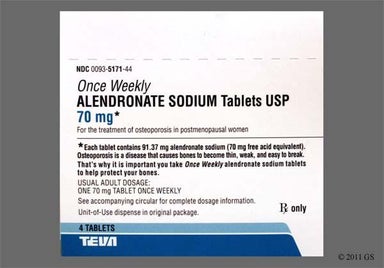
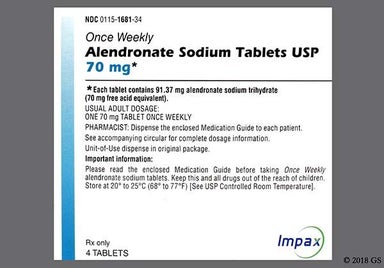
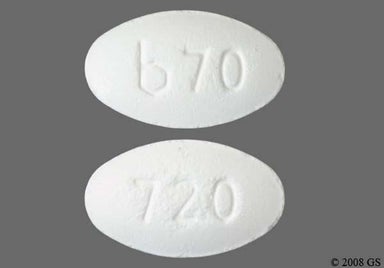
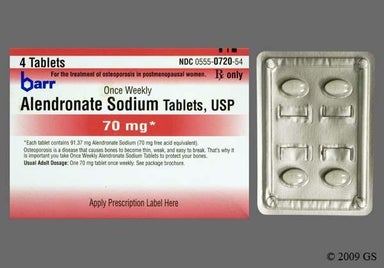
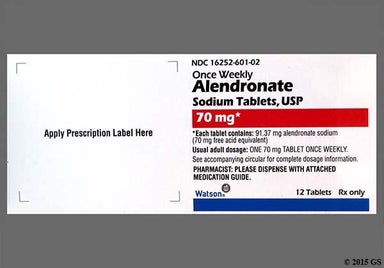
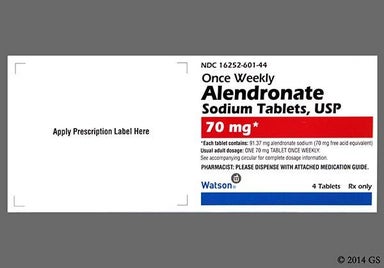
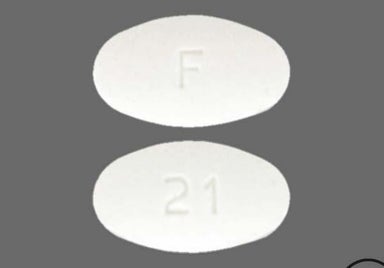
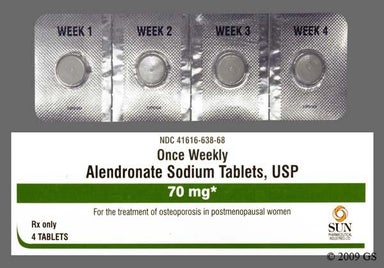
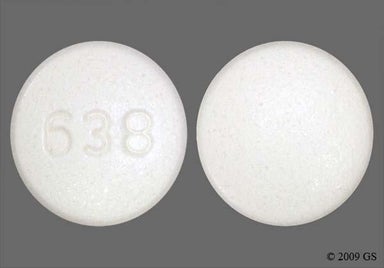
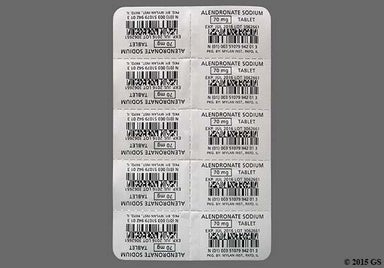
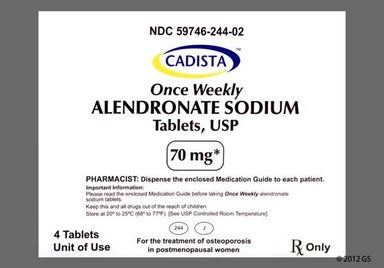
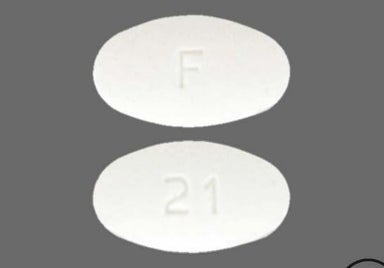
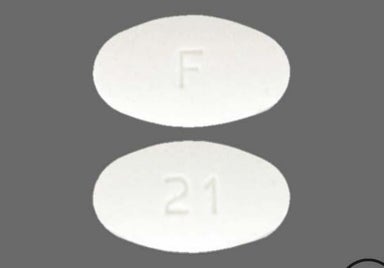
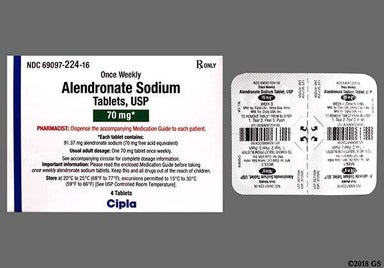
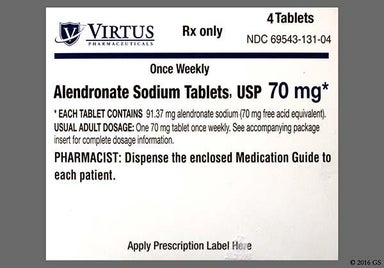
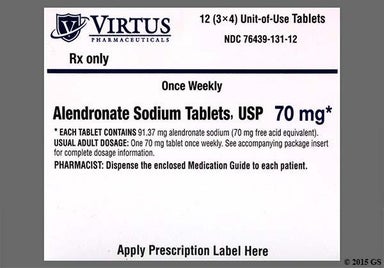
Alendronate (Fosamax) tablets
Binosto (alendronate) effervescent tablet and alendronate oral solution

Although certain medicines should not be used together at all, in other cases two different medicines may be used together even if an interaction might occur. In these cases, your doctor may want to change the dose, or other precautions may be necessary. When you are taking this medicine, it is especially important that your healthcare professional know if you are taking any of the medicines listed below. The following interactions have been selected on the basis of their potential significance and are not necessarily all-inclusive.
Using this medicine with any of the following medicines is usually not recommended, but may be required in some cases. If both medicines are prescribed together, your doctor may change the dose or how often you use one or both of the medicines.


Contraindications are specific health conditions or situations in which a person should not take a medication due to safety concerns. If you have any of the following conditions or if any of the following apply to you, let your healthcare provider know because Alendronate (Fosamax) will not be safe for you to take.












Prescription savings
Stop paying too much for your prescriptions. Compare prices, get pharmacy coupons, and save up to 80%. Find expert answers to your health questions so you can make the best decisions for yourself and your family.
Health conditions
Medications & treatment
Access & affordability
Medication discounts

If you're taking Alendronate for the prevention or treatment of osteoporosis, your provider can prescribe it either weekly or daily, depending on the dose. The weekly dose of Alendronate is higher than the daily dose. Studies comparing Alendronate weekly and daily dosing show that there aren't any major differences between how well either dosing worked to treat osteoporosis nor in rates of side effects. But people generally preferred the weekly dosing because it's more convenient. If you've questions about either the weekly or daily dosing, talk with your provider.
Alendronate stays in your system for a long time. Research of people who took Alendronate 10 mg daily showed that this medication was detected in the body even 10 years after treatment was stopped. It's unclear how long Alendronate will continue to protect against bone fractures after you stop taking it. But a study showed that Alendronate might continue to offer some bone protection for 4 to 5 years after treatment is stopped. Talk with your provider if you've questions about how long Alendronate stays in the body.
If you're halfway through or have already finished breakfast and realize you forgot to take your Alendronate, wait until the next morning to take your dose. You can go back to your regular schedule the following week. Never take a double dose to make up for missed doses.
Take Alendronate first thing in the morning on an empty stomach. Don't eat (especially dairy), drink, or take other medications for 30 minutes after taking your dose because they can prevent your body from absorbing Alendronate correctly. Make sure to drink a full glass (6 to 8 ounces) of plain water and avoid lying down for 30 minutes after your dose; this will help the medication travel to your stomach faster and lower the risk of throat irritation. If you're taking the Binosto (alendronate) effervescent tablet, make sure to dissolve it in 4 ounces of room temperature water until the solution stops bubbling (about 5 minutes) before you drink it. Never swallow Binosto tablets directly because this can damage and irritate your mouth and throat.
Take Alendronate as directed by your provider. How long you will take Alendronate depends on how well this medication is working for you, whether you're experiencing any side effects, and what medical condition you're taking it for. The manufacturer recommends that people who are at lower risk of fractures should stop taking Alendronate for osteoporosis after 3 to 5 years of treatment. People taking for Paget's disease might only need Alendronate treatment for about 6 months. Ask your provider if you're not sure how long you should take Alendronate.
Taking Alendronate long-term can raise the risk of a rare, but serious, side effect called osteonecrosis of the jaw (ONJ). This is a condition where the jaw bone starts to break down. To prevent ONJ while taking Alendronate, it's important to visit a dentist regularly so they can monitor for any signs of this condition. Also, it's important to brush and floss regularly to keep your gums and teeth healthy. Tell your provider if you need any dental procedures done because they might ask you to stop Alendronate for a period of time leading up to the procedure. If you experience symptoms of ONJ, such as pain or swelling in your mouth, let your provider know right away.
Weight gain isn't a common side effect of Alendronate. If you notice a change in weight while taking this medication, talk with your provider because it might be because of something else.
Joint, muscle, and bone pain are common side effects of Alendronate that can occur within one day to several months after starting treatment. If your musculoskeletal discomfort is short-term, your provider might recommend an over-the-counter (OTC) pain medicine like acetaminophen (Tylenol) to take as needed for joint, muscle, or bone pain symptoms. If your musculoskeletal pain is severe or long-lasting, this could be a sign of a fracture, so get medical help right away.
